Tag Archive: belgium

January 23, 2019

Travelling corner: Belgium by train

What’s so great about travelling by train in Belgium? Ticket prices! Yes, the train tickets are not expensive and it does not matter if you buy them in advance or just on the day. They can even be 50 per cent cheaper at weekends! The trains are comfortable and modern. There is a train station right in the centre of Brussels, so do check your train connections before heading off. So, where did we go? We went from Brussels to Ostend and from there we wanted to go to Nieuwpoort by a coastal tram, but tram drivers were striking on this day! J So instead we stayed in Ostend and spent a slow day on the beach – walking, getting some sun-shine and playing. We also visited our friends in Antwerp where from the moment you’re off the train, you can fall in love with the architectural marvel that is their train station. Your appetite for architecture can only grow if you walk through the city and visit the Museum Aan de Stroom (MAS) where you can admire the whole city of Antwerp from the museum’s roof. We couldn’t miss Brugge with its medieval feeling, horses with carriages, cobbled pavements and tiny shops. It’s also a perfect hub for chocolate lovers! We also commuted by tram in Brussels, as we could observe the city from the tram windows or, for example, spot a perfect café (true story: we spotted a fab café and one day when our tram broke down, we were so happy, as we could finally go there for a delicious cocoa!).

I loved our train travels! Do you travel by train? What are your favourite destinations?

Kinga Macalla

April 25, 2018

Travelling corner: Brussels with kids

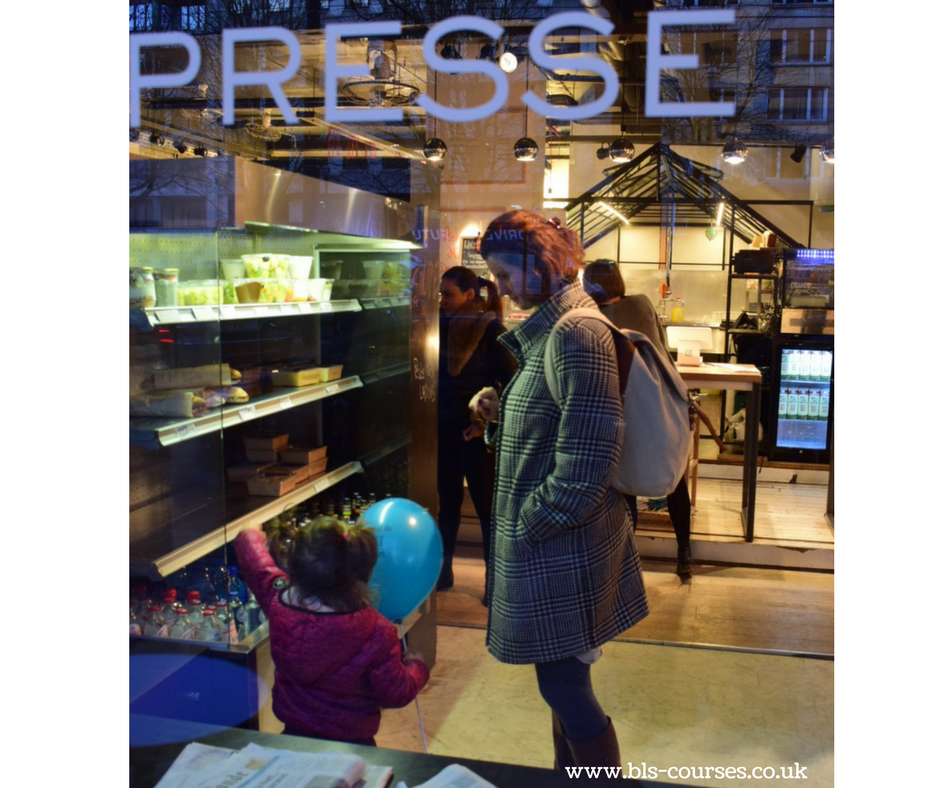
Brussels offers many interesting ideas for kids to have fun. We didn’t spend much time in Brussels, as we travelled to other Belgian cities, but here is a taste of what you can do in Brussels when travelling with kids.

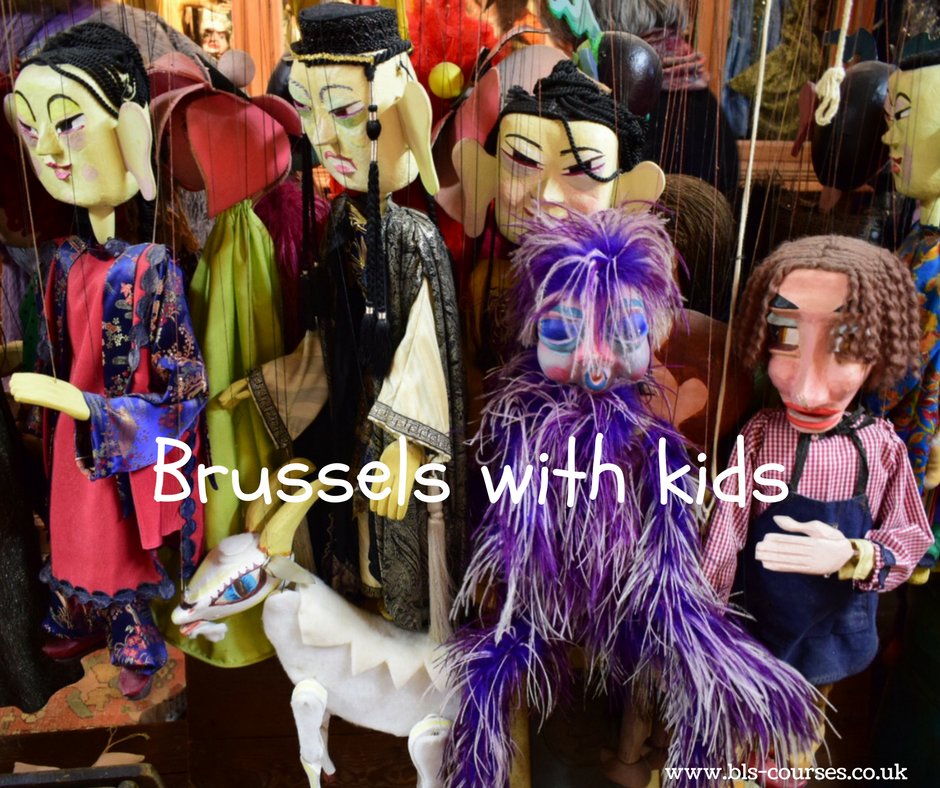
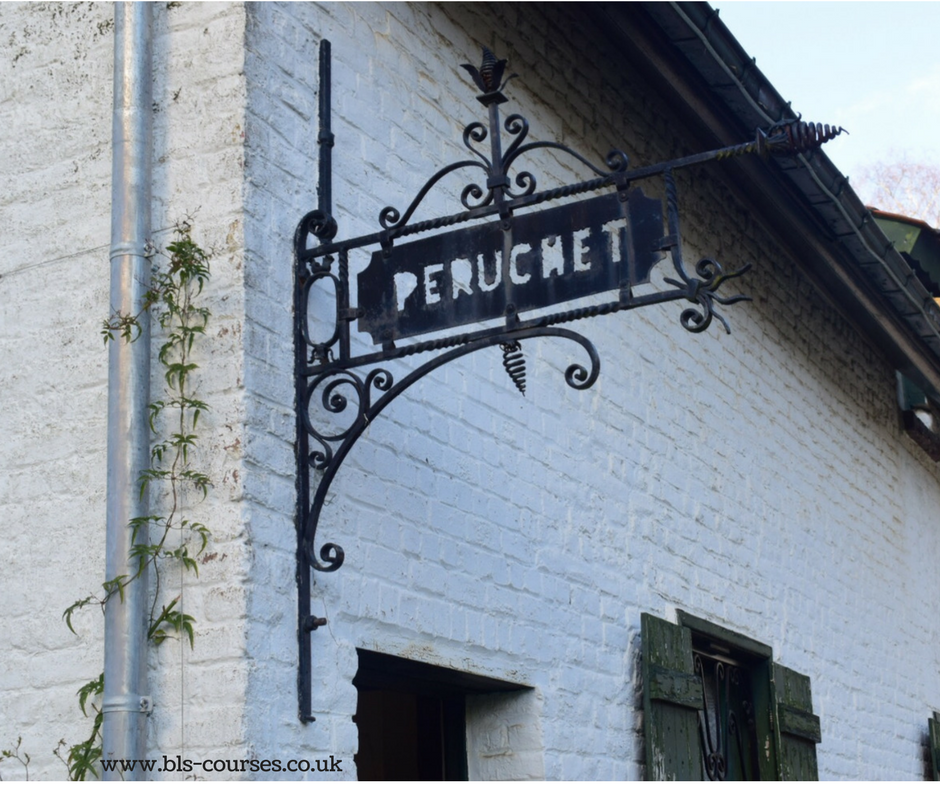
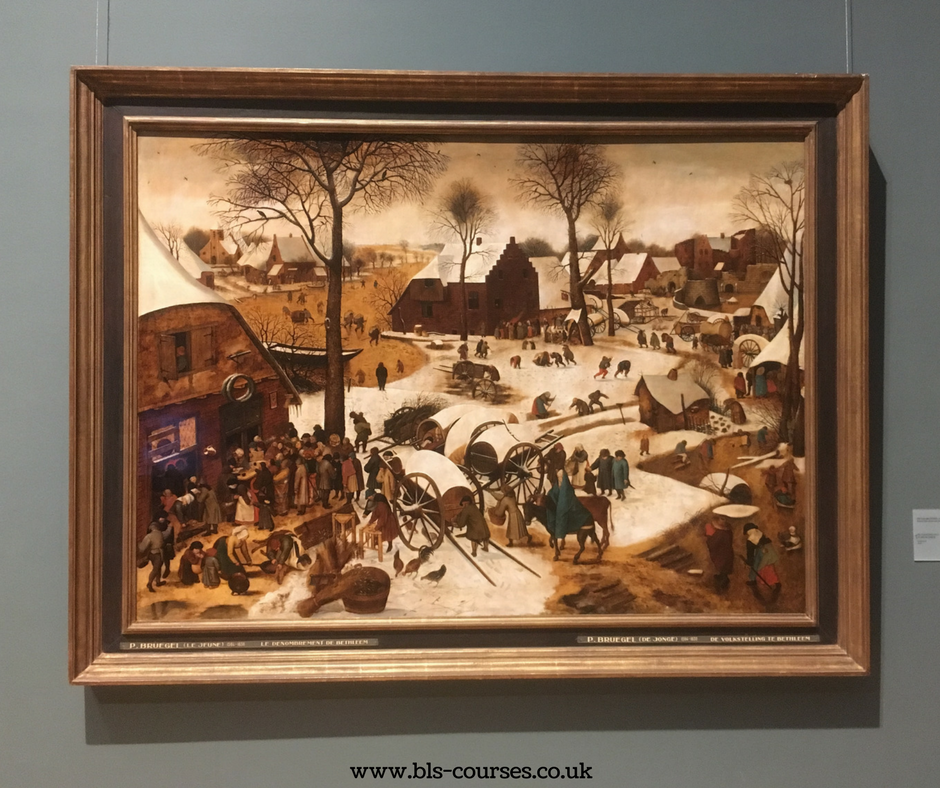
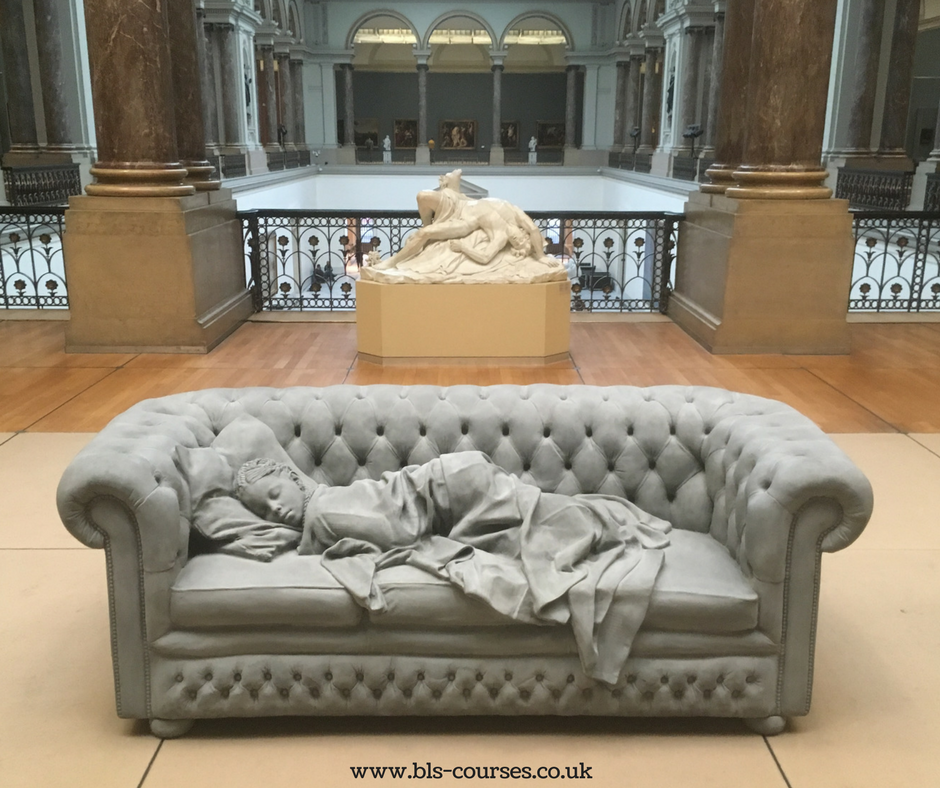
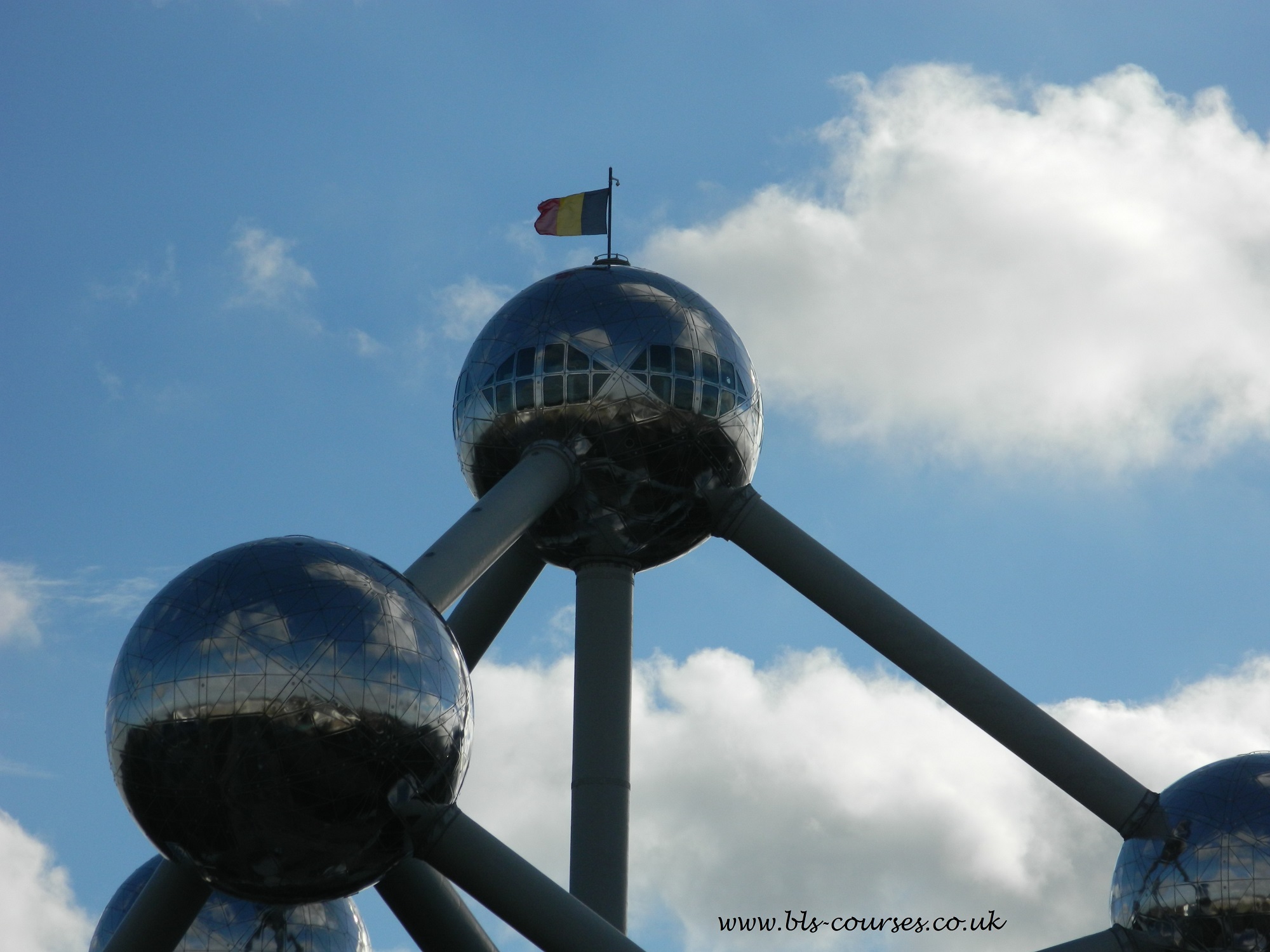
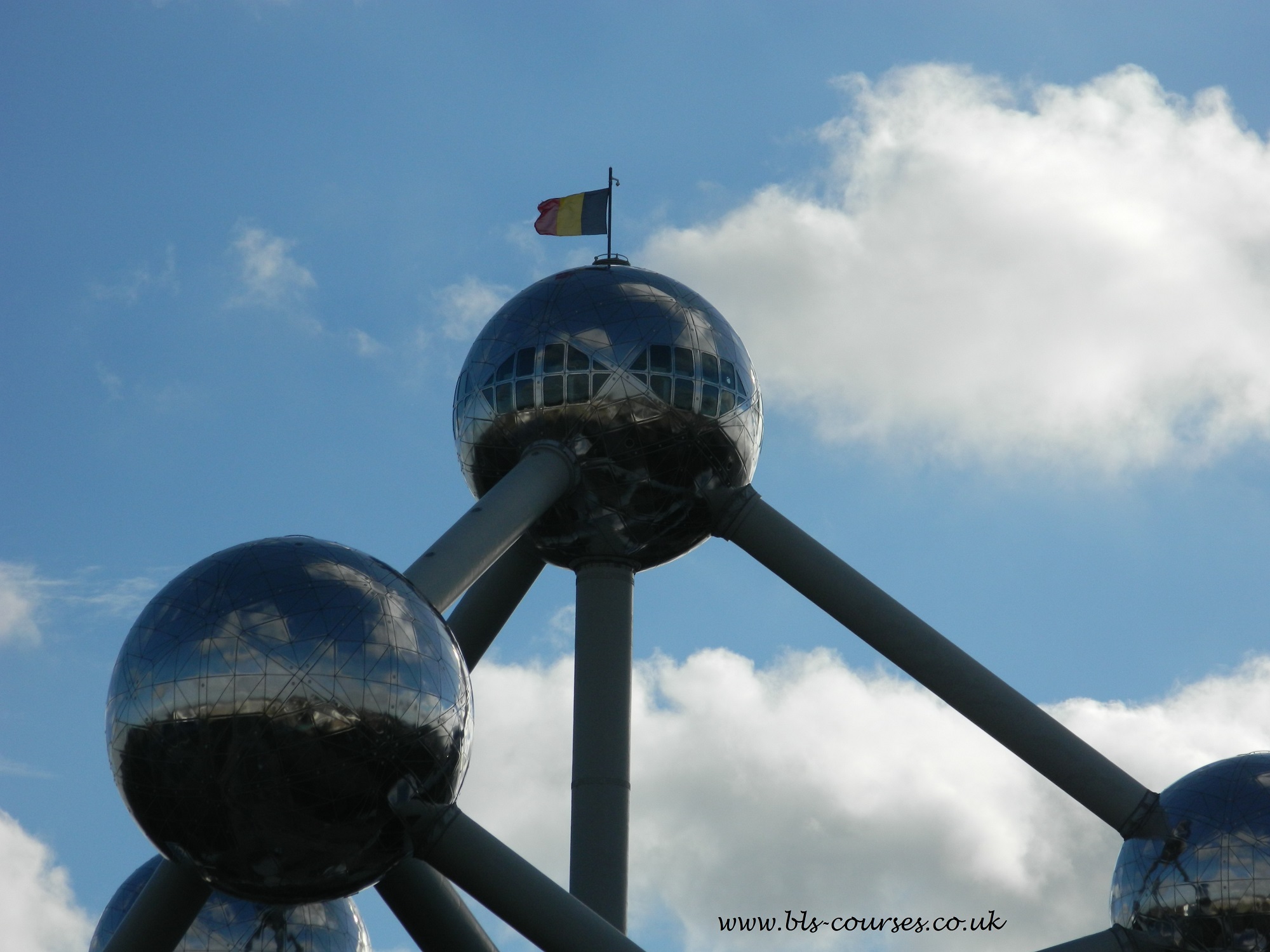
There are many places where children will have great time: a large aqua park called Océade, the architectural symbol of Brussels, Atomium, parks, theatres and museums. So, where did we go? We often walked through the park Parc de Bruxelles, so our daughter played in the playground there. We went to the museum Musées Royaux des Beaux-Arts de Belgique to see the old masters, Pieter Bruegel and Peter Paul Rubens among others (probably more attractive for older children, aged 3+). You can also go to the puppets’ theatre when visiting Brussels; we went to Le Théâtre Royal du Peruchet to see “Three little pigs”. The passion and enthusiasm of the performance was contagious. We loved the performance and the little tour around their puppets’ museum.

Have you visited Brussels with your children? What are your recommendations?

Kinga Macalla

April 5, 2017

On Languages: The Languages of Belgium

With around 11 million inhabitants over an area of 30,528 square kilometres (11,787 square miles), Belgium is a small, densely-populated country in Western Europe.  It may be small but Belgium has a diverse population and three official languages, Dutch, French, and German.  Its inhabitants also speak a number of non-official, minority languages and dialects as well.  A lot of people in Belgium speak English and it is used as an unofficial language of communication in the Belgian capital, which also happens to be the European capital, Brussels.
DSCN3319

The Belgian Constitution guarantees language freedom in the private sphere. This implies that people can decide themselves which language they wish to use in their household, among friends, in the media, and for cultural, economic, commercial and religious activities. Before the federal (linguistically-defined states) structure and language legislation introduced in the 20th century, French was the only language used by the authorities. Now there is a lot of legislation around Dutch, French and German, although the constitution does not explicitly mention which languages enjoy official status.  Article 4 of the constitution does divide the country into linguistic areas: “The French-speaking area, the Dutch-speaking area, the bilingual area of Brussels Capital and the German-speaking area.”

6.25 million people live in the Flemish Region (Dutch language area), 3.5 million in the Walloon Region (French and German language area) and 1.09 million in the Brussels-Capital Region (bilingual area).  This means that 59% of Belgians belong to the Flemish (Dutch-speaking) Community (Flanders) in the north, 40% to the French-speaking Community (Wallonia in the South and part of Brussels) and 1% to the German-speaking Community (in the Ardennes area).  Alongside these official figures, there are migrants and their children living in the country who speak other languages (as well as one or more of the official languages), and speakers of other Belgian dialects. The capital, Brussels, is located in Flanders but 80% of its inhabitants speak French as their first language.  French is also used as a lingua franca in Brussels, as is English.  All public services and information in Brussels are available in both French and Dutch.  Many road signs and other notices around the rest of Belgium are written in both French and Dutch too.  Like many capital cities, Brussels is actually multilingual, especially as it is the home of many European institutions and there are a lot of foreign officials and diplomats living there.
Belgian Waffels 2

The standard form of Dutch used in Belgium is very similar to that spoken in the Netherlands but is often referred to as Flemish.  There are a lot of dialects in Flanders too.  The main ones are Brabantian, West Flemish, East Flemish, Antwerp and Limburgish.  Walloon, a dialect closer to French and mostly spoken by older people in rural areas, is used by 33% of population. Walloon has no official status in Belgium and is not used in education, though there are many evening classes in it.  The majority of the population of Wallonia can understand the language, about a quarter can speak it and a few can write it.  Luxembourgish is spoken by around 0.5% of the population, but the language has no official status, like Picard, Low Dietsch, Lorrain (also called Gaumais locally) and Champenois that are also spoken there.  About 10% of the Belgian population are non-native, and languages spoken include Italian, Spanish, Greek, Arabic and Turkish.  Antwerp, the capital of Flanders, also has one of the few Jewish communities worldwide that still speaks Yiddish as its dominant language.

Words which are unique to Belgian Dutch and Belgian French (i.e. not found in the varieties of Dutch and French spoken in other countries) are called belgicisms.

More information on the languages of Belgium can be found at http://languageknowledge.eu/countries/belgium

Written by Suzannah Young
January 18, 2017

Travelling Corner: My 5 Favourite Places in Belgium

Belgium is an interesting country with three different languages, five parliaments and 1150 different types of beer!  There is a lot to see there too.  I used to live and work in Belgium and spent six years in the country in total, three in Brussels and three in Antwerp.  In that time, as well as learning Dutch and improving my French, I got the opportunity to travel around quite a bit, on the (very affordable) train and by bike!  Here is a breakdown of my five favourite places in the country.  Perhaps it will inspire you to take a visit!

belgian-waffels-2

Magritte Museum

One thing that Belgium is famous for is its love for all things surreal.  René Magritte, one of the most famous surrealist painters, was from Lessines, in the French-speaking part of Belgium.  His work is celebrated in a new museum in the heart of Brussels.  It is possible to visit the museum in several different languages, including three sign languages.

The Red Star Line Museum

From 1871 to 1935, the Red Star Line, which had ports in Antwerp, Southampton and Liverpool, took European emigrants from many countries by boat to North America.  Two million passengers travelled on the ships, including some people who were to become famous.  The Red Star Line museum in Antwerp celebrates the stories of some of the passengers and reminds us that migration has always been and always will be part of the human experience.

Ghent (Gent)

Ghent is one of the main cities to visit in Flanders.  After Antwerp, it is the biggest city in Belgium, and is the capital of East Flanders.  It is built on a series of canals and is a port city.  It also has a prestigious university.  It is famous for its ten-day-long annual Gentse Feesten (Ghent Festival), which receives about 1-1.5 million visitors every year.

Huy

Huy is a town in the south of Belgium.  It is home to a huge ‘citadel’, an 1818 fortress that towers over the town.  The ‘Mur de Huy’ (Huy Wall) is a 128-metre high slope that is a feature of many cycle races in the country, including the Flèche Wallonne (Walloon Arrow), of which it is the finishing climb.  Every seven years, a religious procession commemorates the ending of a drought in 1656. The last one took place in 2012.

Béguinages / Begijnhoven

A beguinage is a building or series of buildings built to house beguines: religious women who lived in a community but did not take vows or retire from the world.  Belgium boasts a number of impressive and beautiful beguinages built around courtyards.  They are very peaceful places and offer a welcome (and surprisingly quiet) respite from the hubbub of the city.  This is a bit of a cheat because there is more than one beguinage but I couldn’t choose just one to mention!

dscn3319

I hope you enjoyed this whistle-stop tour of some of the sights Belgium has to offer.  Why not visit the country and send us a list of your favourite places?

Written by Suzannah Young