Tag Archive: book review

June 26, 2019

Book review: Walking. One Step at a Time by Erling Kagge

Walking is man’s best medicine. Hippocrates

Paradise is where I am. Voltaire

This book is genius. That should be my whole review, but I’ll try to explain why.

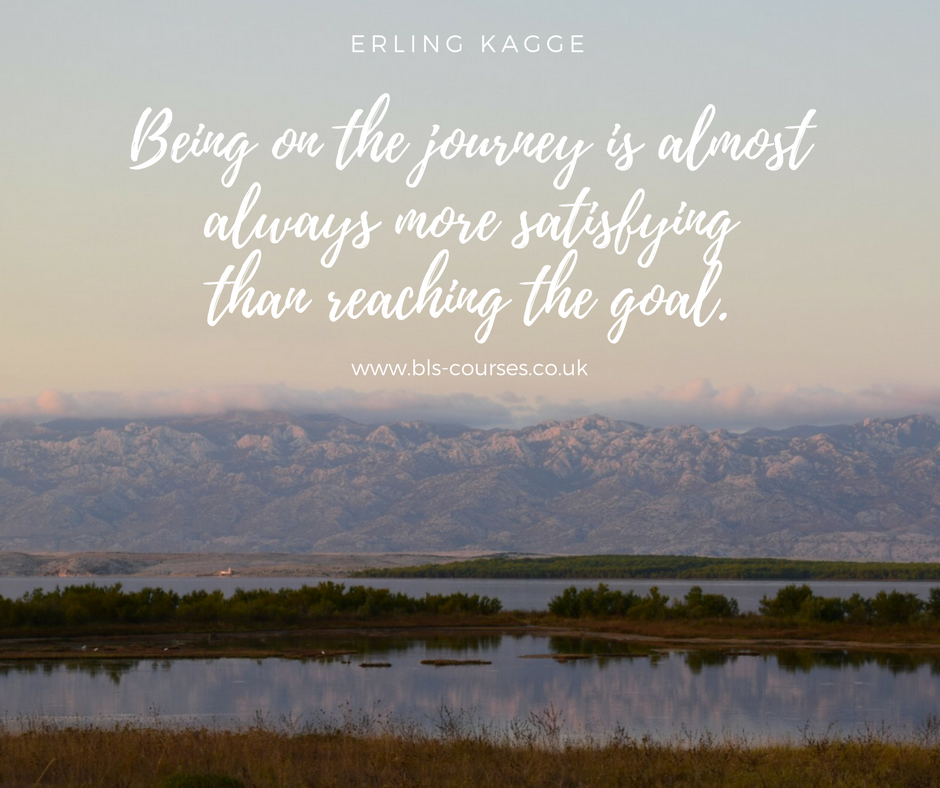
Erling Kagge is a Norwegian explorer and the author of Silence (my book review you can read here) which is a fascinating read. From this book is coming one of my favourite quotations: “Being on the journey is almost always more satisfying than reaching the goal.” (p. 126) His next book is on walking. It explains and explores the process, the ability, the relativism, the poetry, the philosophy, the medicine, the wisdom behind – one can say – the simple and basic human skill: walking. He refers to many philosophers, writers, artists, explorers, as well as to his own experiences, e.g. to his walking through LA, walking towards the South Pole or walking through New York’s sewerage system. I think the genius of this book is that he presents walking as poetry, as something so fascinating and beautiful that we immediately want to go out and try it as a new (more aware!) experience. Below I list some of my favourite quotations:

“I got lost here before, so now I know where we are.” (p. 21)

“I don’t expect some great thrill on the way to work each morning but I do expect something.” (p. 30)

“To walk is to enjoy simple pleasures.” (p. 98)

“It took me years to realise that a single piece of chocolate tastes better than an entire bar.” (p. 98)

“The present moment and the eternity are not necessarily opposites. Time ceases, and both can be experienced at once.” (p. 134)

It was a true pleasure to read the book. Do let me know in the comments below what impressed you most in Walking.

Kinga Macalla

May 29, 2019

Book review: Neither here nor there. Travels in Europe by Bill Bryson

Love it or hate it, it’s definitely an interesting read (especially since it was written in the 90s – that’s almost pre-Internet era!). Neither here nor there by Bill Bryson, an American-British writer and traveller, takes us on a tour around well-known European cities. The book is written with a great sense of humour, so be careful, you may burst out with laugher, unexpectedly and hysterically (in my case: I woke up my husband and my baby girl, as it was impossible for me to stop laughing!). It’s inspiring, funny, occasionally politically-incorrect, retrospective, and today we would say that it represents slow-travelling since the author travels mostly by train!

I highly recommend it for those planning their European holidays or looking for some good laughs!

BTW, the writer finds Austria more European than the rest of Europe and in his view Sofia is the most European of all the cities (interesting!). Which country/city do you find more European?

Kinga Macalla

April 24, 2019

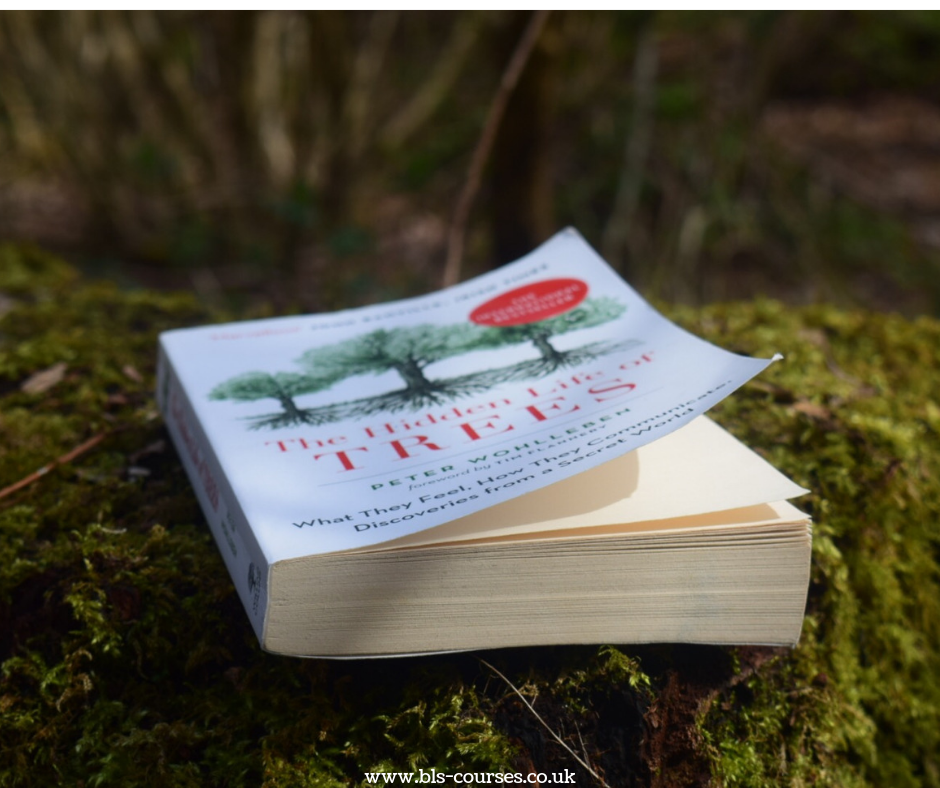
Book review: The Hidden Life of Trees by Peter Wohlleben

“A walk in the woods will never be the same again.” [cover]

Why read about trees when you’re learning a new language?

First, for pleasure, as it’s a fascinating read. Peter Wohlleben presents many interesting scientific facts about trees: he talks about some mysterious truths (why deciduous trees drop leaves in winter), beautiful truths (the cycle of a tree life) and surprises (trees can count!). Peter Wohlleben’s passion, knowledge, wisdom & understanding towards the trees is truly impressive.

Secondly, the book explores the topic of communication and is interested to know if trees can communicate and, if yes, what ‘language’ they use to pass information. Peter Wohlleben mentions scent signals, visual signals, chemical signals and sound signals (e.g. cracking roots communicating with grass). Understanding the communicative signals of trees might be an important component in getting to know them better, but this hasn’t been deeply researched yet. So for the time being, “if you hear a light cracking the next time you take a walk in the forest, perhaps it won’t be just the wind…”. [p.13]

Thirdly, while and after reading the book, you’ll be inspired to go for a walk in the forest. Don’t hesitate, go! – especially since “[e]very walk in the forest is like taking a shower in oxygen.” [p. 224]

What’s your current read? Let me know in the comments below.

Kinga Macalla

February 20, 2019

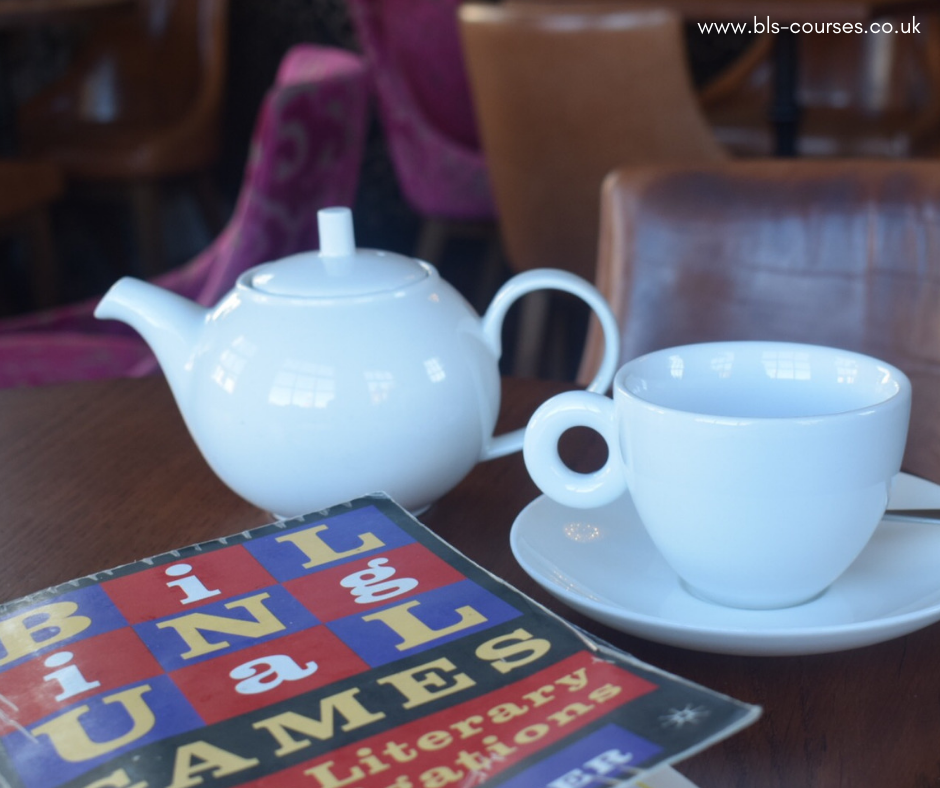
Book review: Bilingual Games. Some Literary Investigations, ed. by Doris Sommer

Speaking another language is quite simply the minimum and primary condition for being alive. Julia Kristeva

It’s a thought-provoking and fascinating read. Bilingual Games, edited by Doris Sommer, presents the idea of bilingualism from many different perspectives. The book is divided into 5 parts and each of them contains essays written by intellectuals who portray the topic of bilingualism as a concept: social, geographical, literary and cultural, educational, but most importantly as human and natural. The contributors seem to prove that multilingualism is a natural human phenomenon and we shouldn’t and cannot limit ourselves to be speaking only one language, after all monolingualism is rarer than multilingualism.

The wonderful thing about this book is that you can choose which essays you wish to read, and find your own reading order. One of the essays that I found particularly interesting was devoted to bilingualism in the educational setting: “Found in Translation. Reflections of a Bilingual American.” by Julio Marzán. Bilingualism can be defined in many different positive ways, it can be also seen as an obstruction to being a ‘true citizen’ or to being fully assimilated in a new country; it can also be understood as having a negative impact on a child’s achievement at school.  One can say that bilingualism is a personal choice on the part of parents, but if we are living in a new country and “learning that true Americans are loath to speak a foreign language” (Marzán 2003: 224), one cannot doubt it will have some impact on our and our children’s bilingualism. A simple question like, “Does your child speak another language at home?” which, as Julio Marzán writes, is also aimed at parents who are potentially seen as those who could obstruct “their child’s capacity to learn in an English-speaking classroom” (221) is not an innocent question, especially considering that Marzán answers in contradiction with the truth and says “no”.  As he later explains, he said “no” because he did not want to endanger his daughter’s “ability to achieve in the classroom”, but he also chose bilingualism, because he wanted his daughter to be able to connect with her cultural heritage. It might be surprising that bilingualism can be linked with underachievement at school, especially since the most recent research suggests that, actually, bilingualism “is now associated with a mild degree of intellectual superiority.” (Baker 2014: 54)

As you can see, it’s a fascinating read and I highly recommend it to those interested in bilingualism seen from many different intellectual perspectives. Let me know what your current read on bilingualism is in the comments below.

Quotations:

Baker, C. 2014. A Parents’ and Teachers’ Guide to Bilingualism. Bristol: Multilingual Matters

Sommer D. (ed) Bilingual Games. Some Literary Investigations. New York: Palgrave Macmillan

Kinga Macalla

January 2, 2019

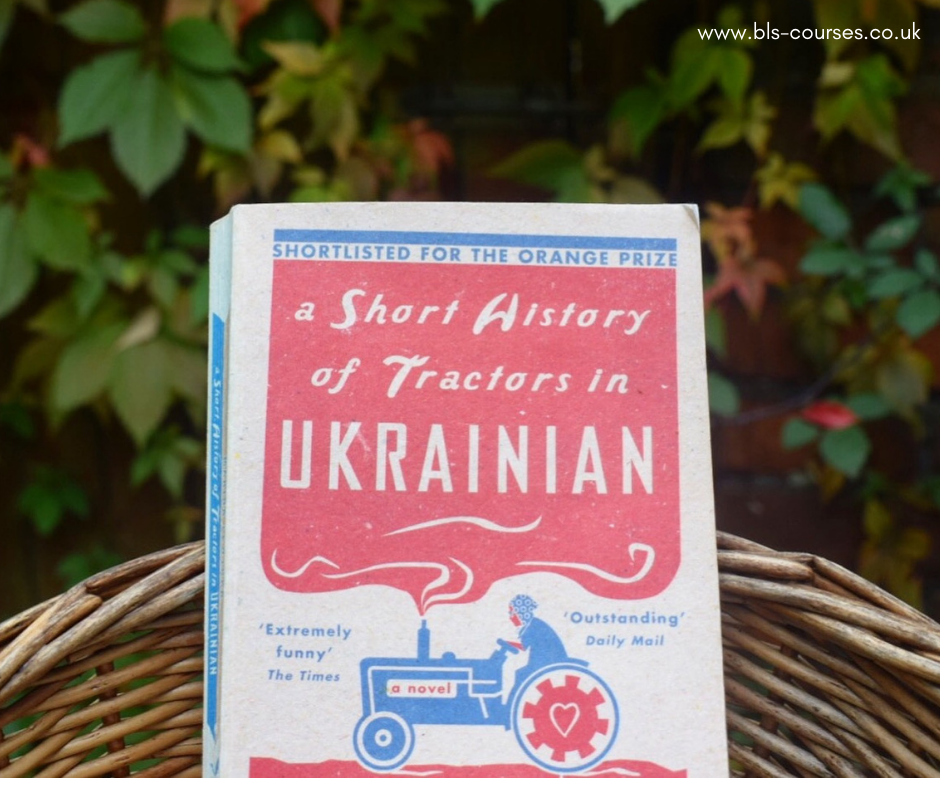
Book review: A Short History of Tractors in Ukrainian by Marina Lewycka

Translated into 35 languages & with many positive reviews, I couldn’t resist the temptation of reading it. What’s more I rarely read fiction, so it was a treat.

I had mixed, bitter-sweet feelings when I was reading the book: On one hand I was laughing out loud and on the other the story made me very sad. I think the sadness was coming from the fact that I also lived in a formerly communist country, Poland, till I reached my early twenties, and I think the story brought some memories back. In the book, the economical, intellectual and cultural differences between East and West are portrayed in a semi-caricatured way. This division pinpoints some aspects of our history and culture that are uncomfortable to me and I think I would prefer not to remember them.

Overall, I think it is a wonderful read, as it doesn’t stop with the last page. You’re left with some unanswered questions and some ideas that you want to analyse and think about. If you wish to learn more about Ukrainian history, about refugees’ lives in the UK, and about human nature, all being presented in a rather comical way, this is the book you want to read!

What have you read recently that fascinated you? Let me know in the comments below.

Kinga Macalla

December 12, 2018

Book review: Wabi-Sabi Welcome by Julie Pointer Adams

Each moment is worth basking in because it won’t be with us forever. Julie Pointer Adams

I have been reading this book every evening this autumn. Yes, it was a real treat for me: I was waiting for this moment every day, to read another few pages and to experience wabi-sabi through reading this publication. This book resonates with my reading taste, especially when it comes to reading about creating a cosy and comfortable home and, in this particular instance, how to prepare your home and yourself for having guests. The photographs are unique, simple, yet so beautiful. I would often leaf through the book to analyse in detail the photos and their authentic and intimate character.

So, what is wabi-sabi, you may think? Wabi-sabi is a Japanese concept which is built of two separate words, wabi and sabi. “Wabi means something like simplicity, humility, and living in tune with nature”. (18) “Sabi, on the other hand, refers to what happens with the passage of time; it’s about transience and the beauty and authenticity of age.” (18) We can think of wabi-sabi as being perfectly imperfect, as “beauty found in unusual, unfashionable places or objects, and in moments usually overlooked or unappreciated.” (11) The book is divided into 5 chapters and the author doesn’t only visit Japan to experience wabi-sabi, she travels to Denmark, California, France and Italy to find this unique way of life there, too.  Each experience brings us closer to the concept of wabi-sabi: in Japan it can be the joy of sharing simple and nourishing food; in Denmark, the rituals, nearly sacred, of having coffee breaks with your friends (called fika in Sweden); in California, being together in the kitchen and letting your friends participate in cooking; in France we can learn to say c’est la vie, if the situation is less than ideal, and adopt a more natural and organic approach to everything (joie de vivre – the joy of living) and in Italy, spending time together (insieme), going for a walk, eating ice-cream or having a big celebration and appreciating each other’s company.

As you can see, it’s difficult not to fall in love with wabi-sabi and I think the book could be a perfect Christmas gift for yourself or your loved ones. Reading it will beautifully fill long wintery evenings…

Do you know the concept of wabi-sabi? How do you experience it in your life? Do let me know in the comments below.

Quotations:

Julie Pointer Adams, Wabi-Sabi Welcome, New York 2017: Artisan.

Kinga Macalla

November 14, 2018

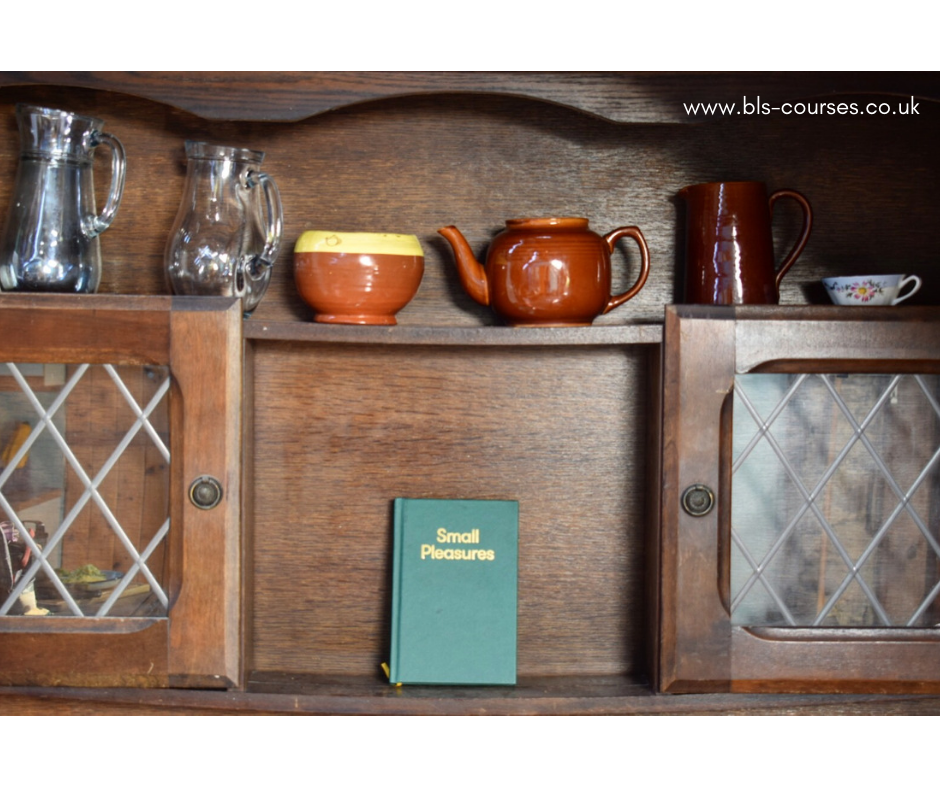
Book review: Small Pleasures by The School of Life

I first came across Small Pleasures in the little paper boutique, Papersmiths, in Clifton Village, Bristol, UK. But, when I returned there, all copies were sold out so, thanks to modern technology, I ordered my copy online. I guess that means that the book seems to be interesting not only for me! I found the book incredibly relaxing to read and a great journey to discovering or re-discovering the pleasures of everyday life. Just look at the chapter titles: Stars, Sunbathing, Up at Dawn, A Hot Bath, Kissing, Sunday Mornings, A Favourite Old Jumper, A Book that Understands You, Pleasant Exhaustion after a Productive Day, Whispering in Bed in the Dark, Figs, etc. There are 52 chapters (one for each week of the year?), so you can easily find great joy in exploring all the tiny pleasures we all experience in our life. I don’t want to say too much to spoil the pleasure of reading the book, but I have some quotations which may inspire you to read it or to get it as a Christmas present for a friend.

“[Some small pleasures can create the] respect for civilisations that have more time for things that are simultaneously delightful and wholesome.” p. 13

“Time could be rearranged: there are plenty of things that can contribute to leading a life more like the one we want. We could get new chances. Every day, it happens.” p. 59

“(…) [T]he pleasure of bath is primarily intellectual. Baths are ideal places to think.” p. 66.

Kinga Macalla

October 17, 2018

Book review: The Bilingual Family. A Handbook for Parents by Edith Harding and Philip Riley

Learning is the product of ‘motivation x opportunity’ – Edith Harding and Philip Riley

With over half of the world’s population being bilingual, as Edith Harding and Philip Riley remind us, I find the topic of bilingualism important to discuss and learn more about. The Bilingual Family by Edith Harding and Philip Riley is a practical guide to bilingualism. We can find there many useful topics being covered and issues discussed. It starts with an introduction to language and bilingualism (definition, level of fluency, simultaneous and successive acquisition). The chapter that I found really important was about the factors that influence the decision on whether to bring up children bilingually. After all, the decision on bilingualism will influence the whole family’s life, and it’s crucial to make it as informed as possible. Obviously, sometimes bilingualism is a completely natural consequence, as it was in my family’s case. I did read some books on bilingualism, but rather than thinking about pros and cons against bilingualism, I thought about how to implement it and what language plan to have for my family. Another interesting chapter is devoted to case studies. Here we find 16 different examples of bilingual families and learn how they approached bilingualism, and how their children learnt to be bilingual (to various degrees). To whet your appetite, I’ll only mention that there is also a sub-chapter on intelligence and bilingualism.

I highly recommend this publication to parents who face the decision of introducing bilingualism and don’t know how to approach it and for those who are already bilingual, but need some support or have some unanswered questions.

Are you a bilingual family? What books on bilingualism have you read and would like to recommend? Please let me know in the comments below.

Kinga Macalla

October 10, 2018

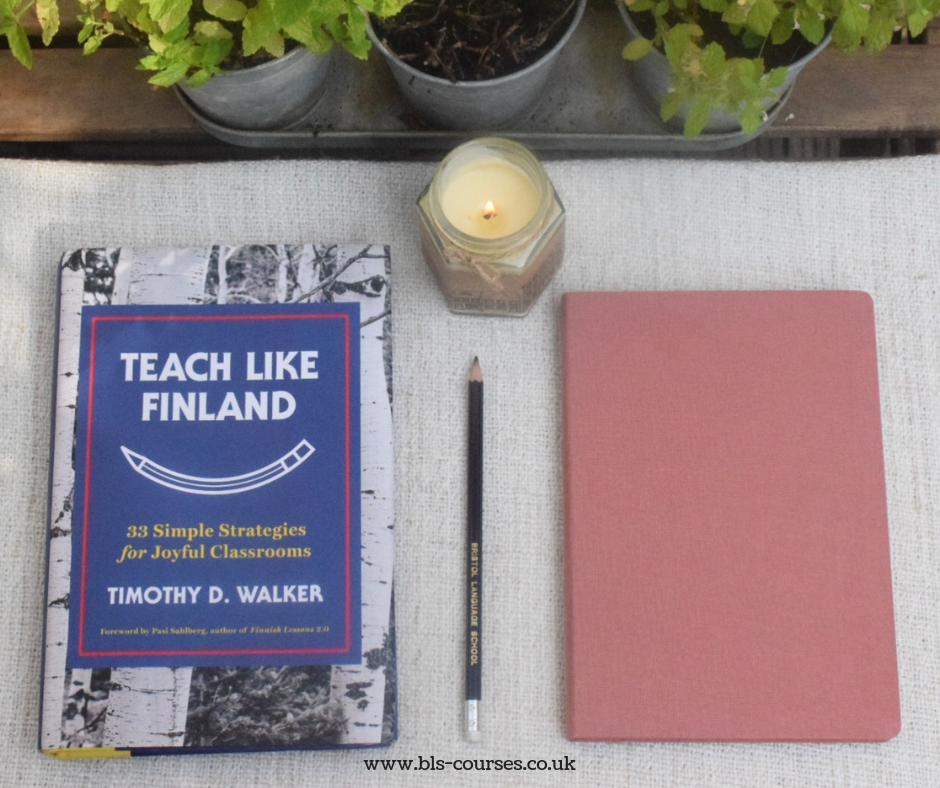
Book review: Teach like Finland. 33 Simple Strategies for Joyful Classrooms by Timothy D. Walker

Once, I walked into [the] first grade classroom at my Helsinki school, and I found tiny children with real needles in their hands. It was especially scary, because I couldn’t find [the teacher] initially. Timothy D. Walker

Flow is being completely involved in an activity for its own sake. The ego falls away. Time flies. Every action, movement, and thought follows inevitably from the previous one, like playing jazz. Mihaly Csikszentmihalyi

In 2001, Finland shocked the world when its pupils achieved the highest scores on the Programme for International Student Assessment (PISA), a set of tests evaluating critical-thinking skills in maths, science and reading. What was their secret? – I wanted to know. My query lead me to a book by Timothy Walker, Teach like Finland, where he walks the readers through the Finnish schooling system from an insider’s perspective, him being a teacher in Finland.

When we read the book, we come across many surprising facts, e.g. in Finland, pupils have frequent breaks, short school days, light homework, long holidays and little standardised testing. We also learn that the education system finds it important to invest in certain values, such as well-being (recharging, physical activity, simplicity, playing outside/in the wild), belonging (building strong relationships with the pupils, having fun and celebrating with the pupils, banishing bullying), autonomy (valuing freedom, getting to know pupils’ passions, planning with the students, demanding responsibility), mastery (the importance of teaching the essentials, leveraging technology, implementing some music elements, preparing summative assessments, discussing grades with the pupils), mind-set (enjoying the teaching process and then the holiday time, collaborating with other teachers, welcoming experts). The last two sub-chapters talk about time-off (vacate on vacation) and about joy of teaching, and I find both of those topics essential if one wants to implement any of the suggested strategies. Taking time off to recharge is crucial if we want to be more productive and enjoy our work, and joy of teaching (learning) means that we’re not only passionate about what we’re doing, but we actually enjoy the process of teaching (learning), which makes us happy.

I think the focus in Finnish schools is more on developing different life skills (e.g. mindfulness, interpersonal relationships and self-awareness) than concentrating only on their academic achievements. At the same time, this education system is deeply rooted in Finnish culture and heritage, which may mean that implementing it in another country may not be as successful (worth checking?). However, through making small changes and amending our teaching styles or our approaches to teaching, we may experiment to see if the Finnish approach (or parts of it) can work in our teaching/learning setting.

The book is a fascinating publication for those who are involved in the education system: teachers, scholars, policy makers… but also for parents, if they wish to learn more about the Finnish teaching and learning style.

Have you read any interesting publications on the Finnish education system or other countries’ education systems? Please let me know in the comments below.

Kinga Macalla

February 7, 2018

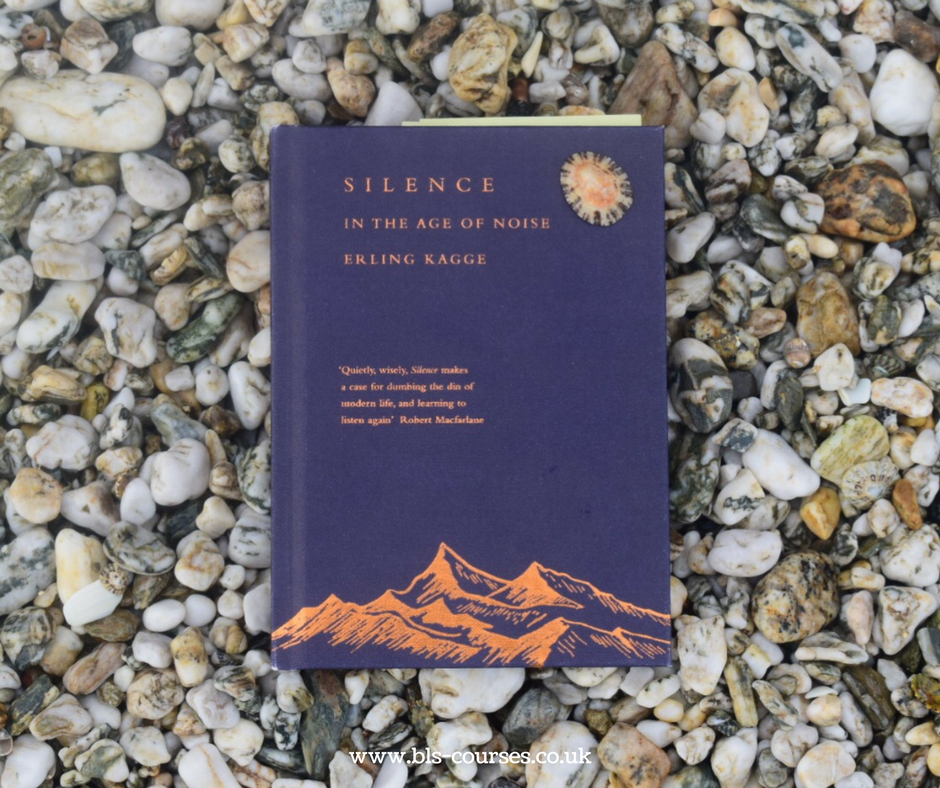
Book Review: Silence by Erling Kagge

I read this book in one day and couldn’t to put it down because it was so fascinating. The book is written by Norwegian explorer Erling Kagge who once spent 50 days in silence walking across Antarctica. The author explores the idea of silence by answering some fundamental questions: what is silence? Where can we find it? And why do we need it? He finds answers not only in his solo travels, but also in his busy life back in Norway. The book is written in a poetic and philosophical style yet it never loses its attachment to realism. One of my favourite quotations is: “Being on the journey is almost always more satisfying than reaching the goal.” (p. 126)

Erling Kagge, Silence. In the Age of Noise. UK, Viking, 2017.

Written by Kinga Macalla