Tag Archive: book review

November 29, 2017

Book Reviews: Lagom, Lykke & Ikigai—the Art of Better Living

Last year, we explored the Danish word hygge: the essence of happy living in Denmark (you can read my reviews here). I must admit after reading books about hygge my usage of candles went up by 100%! Today, we’ll learn how to live a better life through exploring three concepts: the Swedish lagom, the Danish lykke and the Japanese ikigai. After all, according to research by Sonja Lyubomirsky happiness is 50% genetics, 10% circumstances and 40% our intention… We can improve 40% of our happiness, 🙂  so let’s get started!

Lagom

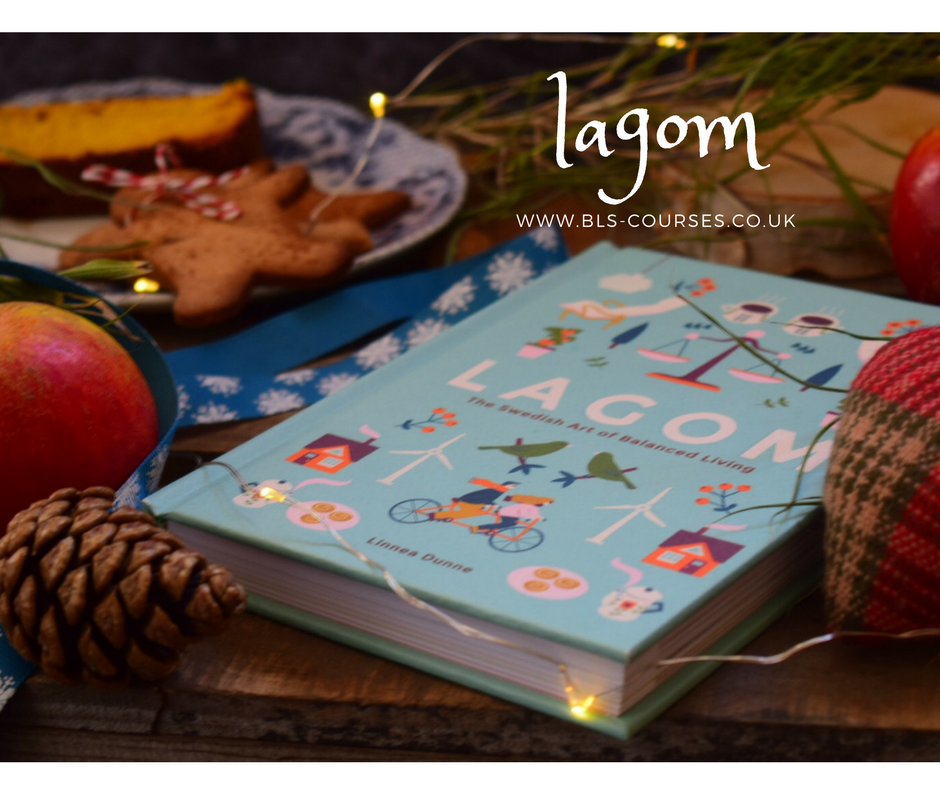
Lagom is a Swedish philosophy meaning “not too little, not too much, just right”. The book written by Linnea Dunne is a beautifully illustrated and photographed guide to the Swedish art of balanced living. My favourite ideas are: picnicking, baking or eating cinnamon buns (mm, cinnamon), fika (a break for coffee or hot beverage with yourself, your friends or a book), “me time” (to recharge your batteries), simple pleasures and decluttering your living space.
Lykke

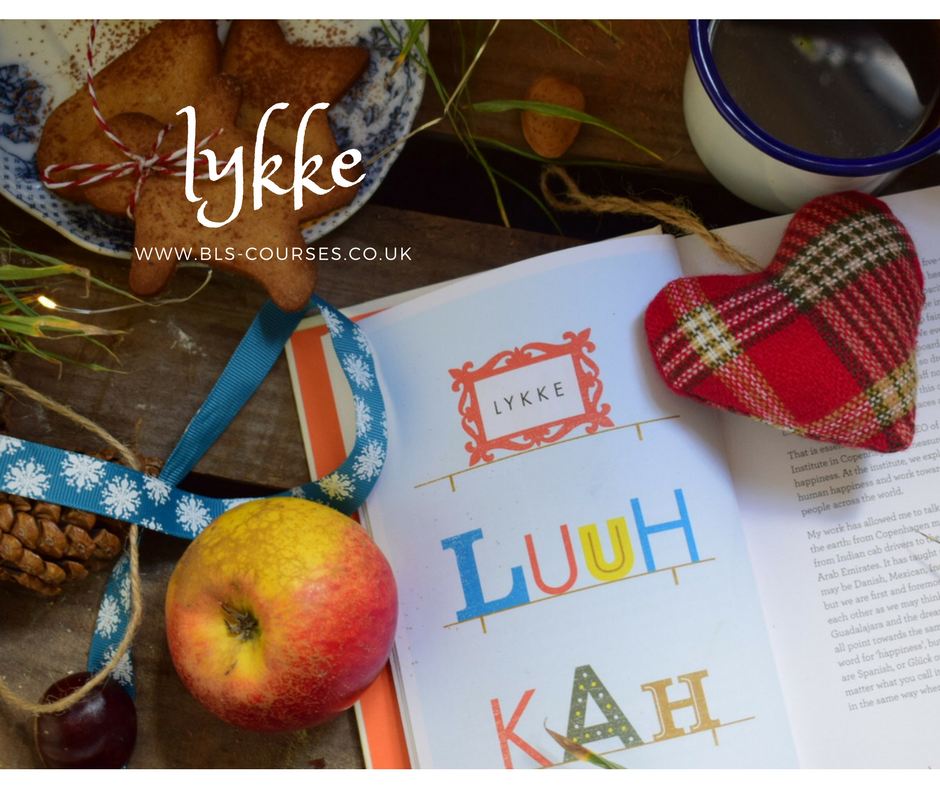
Lykke means happiness in Danish and the book by Meik Wiking explores the idea of happiness in a deep and thorough way incorporating various world-wide perspectives. The publication has beautiful photographs and contains statistical data regarding happy living, along with some practical ideas which may help improve our feeling of happiness. One quotation: “Everything runs smoothly in Denmark. Well, almost. Four years ago, one train did arrive five minutes late. The passengers each got a letter of apology from the prime minister and a designer chair of their choice as compensation.” (p. 14)
Ikigai

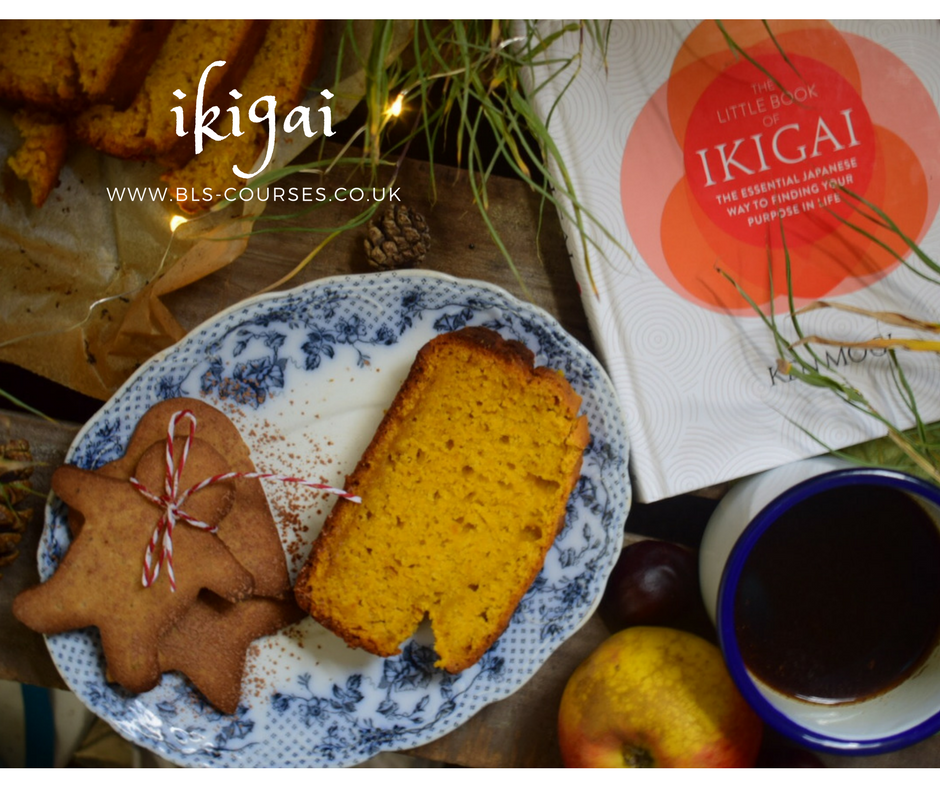
Ikigai is the Japanese “way to a happier, more fulfilled life” (p. 18). “It is about discovering, defining and appreciating those pleasures in life that have meaning for you” (p. 17). The book written by Ken Mogi is a fascinating introduction to the Japanese mindset. Ikigai is formed of 5 pillars: starting small, releasing yourself, harmony and sustainability, the joy of little things and being in the here and now. The author gives many real-life examples of each of the pillars (including reasons to get up early in the morning!) and creates a beautiful story presenting Japanese lifestyle.
Books

L. Dunne, Lagom. The Swedish Art of Balanced Living. Gaia: London 2017.

M. Wiking, The Little Book of Lykke. The Danish Search for the World’s Happiest People. Penguin Life: UK, 2017.

K. Mogi, The Little Book of Ikigai. The Essential Japanese Way to Finding Your Purpose in Life. Quercus: London, 2017.

If you’re still looking for some ideas for your Christmas gifts, the above books will make excellent presents. You can also book our language courses as a Christmas gift 😉

Written by Kinga Macalla
September 13, 2017

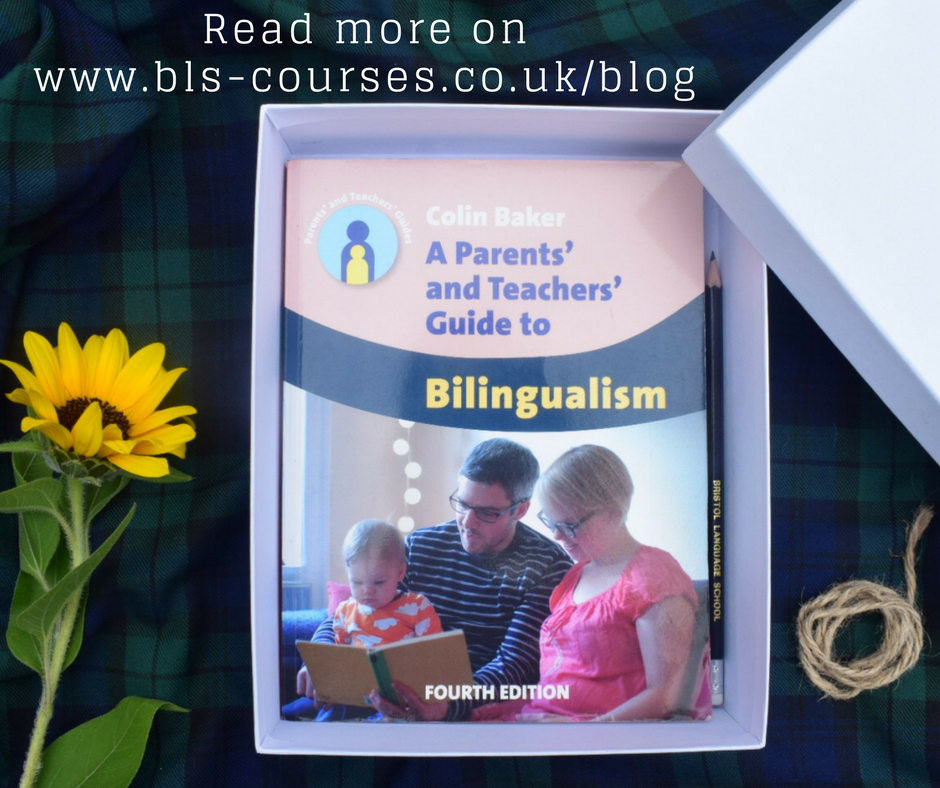
Book review: A Parents’ and Teachers’ Guide to Bilingualism by Colin Baker

“Children are born to become bilinguals and multilinguals.” Colin Baker

This is a bible for any parent, teacher or professional dealing with bilingualism. The book is organised in a question-answer style and also contains some recommendations on further reading. There is no straightforward answer to some of the questions posed; however, the author explains his reasoning and carefully provides advice on the unanswerable questions. Personally, I like the fact that the children’s interests are always put first in this book, and this approach to bilingualism is more relaxed, less strict and gives some room for your child’s own language needs. The guide is divided into 7 sections: Family Questions, Language Development Questions, Questions about Problems, Reading and Writing Questions, Education Questions, Concluding Questions and Glossary. I wouldn’t want to provide any answers here, as I think everybody will look into different topics or queries within the book, but below you will find some examples of the most important questions (in my humble opinion!):

What are the advantages of my child becoming bilingual?

What is the ‘one person – one language’ (OPOL) approach? Is it effective?

How important is it that the child’s two languages are practised and supported outside the home?

What are the most important factors in raising a bilingual child?

Will my child become equally fluent in two languages?

What are the disadvantages of my child becoming bilingual?

My child refuses to use one of his/her languages. What should I do?

How should I help my child to read and write in both languages?

Should my child go to a bilingual school?

What should I look out for in choosing a school for my bilingual child?

Is bilingualism a natural right for any individual?

Overall, I highly recommend A Parents’ and Teachers’ Guide to Bilingualism by Colin Baker. If you’re a bilingual parent, what books or guides would you recommend? Please share your recommendations in the comments below.

Written by Kinga Macalla
August 2, 2017

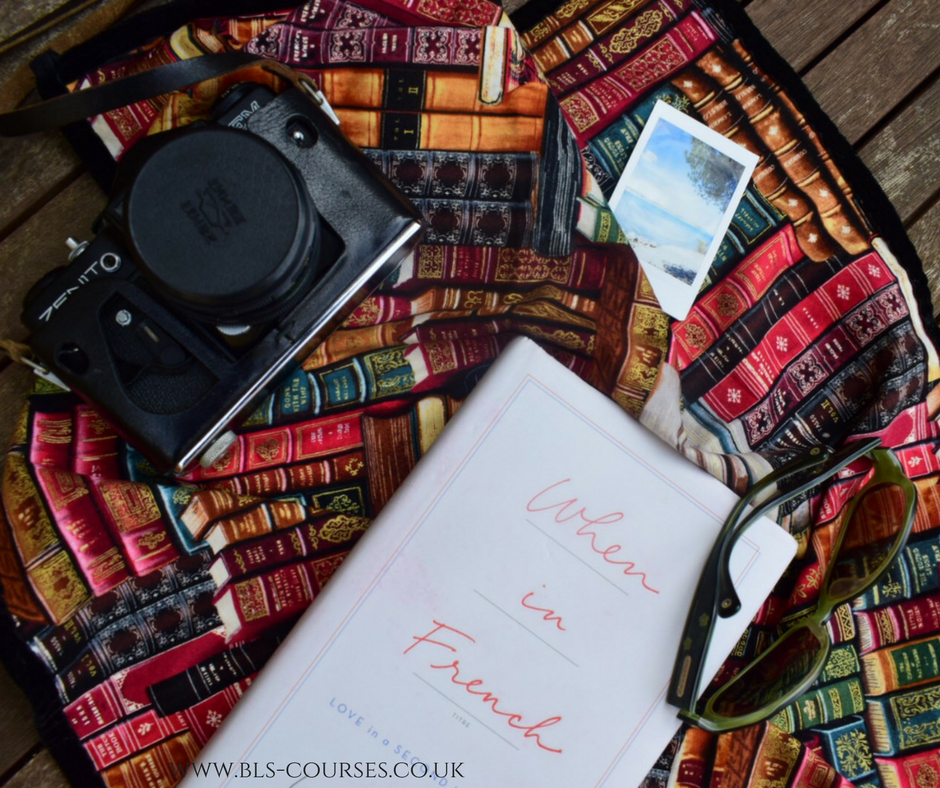
Book review: When in French. Love in a Second Language by Lauren Collins

What a treat for a linguist! I loved every single page for the author’s humour, curiosity, witty observations and passion for languages. It tells the story of an American who moves to London, then to Geneva and then to…? The book is also about communication between languages, countries and cultures. And there are a couple of paragraphs on untranslatable words, too. My favourite quotations are below. When in French is a fantastic read, particularly for bilinguals, linguists, translators, language tutors & learners and for those in love with a foreigner 😉

“Talking to you in English,” he said, “is like touching you with gloves.” P.29

“A language is the only subject you can’t learn by yourself.” P. 143 Lauren Collins

“To be successful at learning a language, one has to undertake a form of time travel, regressing to a childlike state of unembarrassed receptivity, in order to stand a chance of turning into a respectable adult.” P. 144

“Bilinguals overwhelmingly report that they feel like different people in different languages.” P. 187

Written by Kinga Macalla
July 12, 2017

Book Review: Night Train to Lisbon by Pascal Mercier

“Life is not what we live; it is what we imagine living” (p. 436)

A masterpiece. This is an excellent reading companion to Lisbon; it is rich, powerful and beautiful. It tries to answer existential questions by exploring one’s life and soul, our ancestors and socio-political influence. The philosophical side of the book gives new dimensions to meaning and offers understanding of our behaviours, decisions and desires – conversation and debate is defined as a “meeting of minds” rather than just “talking” (p.137). The story shows that it’s far from easy to live in the moment, start a new life or follow one’s heart. Difficult to put down. Highly recommended!

All quotations come from Pascal Mercier’s Night Train to Lisbon, 2009, Atlantic Books, London.

What would you recommend as a reading companion when travelling to Lisbon? Please leave your recommendations in the comments below.

Written by Kinga Macalla
April 19, 2017

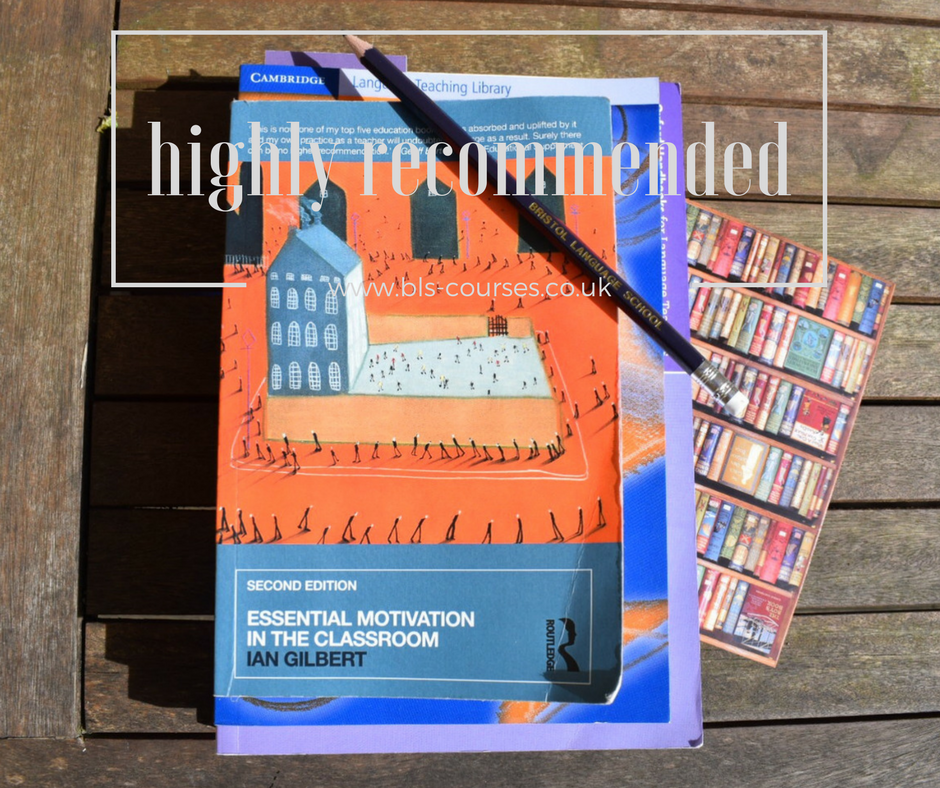
Book Review: Essential Motivation in the Classroom by Ian Gilbert

book review-essential motivation 1

This book is AMAZING! It’s fascinating, thought-provoking, funny and practical. If you want to read one book on motivation, this is the one! It’s a must-read for teachers and students, but I also recommend it for parents, business people, coaches and trainers. It is a guidebook of almost 200 pages into the world of motivation written from many different perspectives. Ian Gilbert talks about topics such as the reasons for being motivated, enthusiasm, IQ, emotional intelligence, MindMaps, learning strategies, lesson planning, delayed gratification, hope, learning through failure, the power of the smile and many more. I love the way this book is written and I know I’m going to read it again and refer to it for quotations and advice.

13-24.04.17

Below, I’ve included some interesting activities for language teachers (see p. 115-9):

  1. ‘See the learning’ strategies: use visuals such as highlighter pens, posters, pictures, videos; ask your students to use cameras on their phones, etc.
  2. ‘Hear the learning’ strategies: ask your students to record their learning on their phone and listen to the recording before going to sleep and after waking up; use music in the classroom, etc.
  3. ‘Do the learning’ strategies: use physical activities in your lessons, ask your students to walk or stand while they’re learning or act out their learning, etc.

Do you have a favourite book on motivation? Please share your recommendations in the comments below.

Written by Kinga Macalla
March 15, 2017

Book Review: My Reading Companions to Prague

Prague is a fascinating city. It’s beautiful and magic, but full of paradoxes. Reading about Prague is like discovering some secret spot that was once internationally recognised for its intellect, mystery, architecture and culture. Let me take you on this reading journey to discover Prague once again.

book review-Reading Companions to Prague 1Pocket Rough Guide. Prague.

I’m in love with these pocket guides. They’re super practical (size-wise too!), yet with many photographs, maps and useful details. You can follow their ‘Best of…’ sections or read district by district. The best part is that you have cafe and restaurant recommendations linked with a particular part of the city. I must say it’s very useful!

Magic Prague by Angelo Maria Ripellino

A classic. One of the most important books on Prague was written by Angelo Maria Ripellino, an Italian Slavist. It’s not an easy read, but it’s truly fascinating to uncover the mystery of Prague with Ripellino. The author has an amazing knowledge and understanding of the history and culture of the city, without forgetting its legends and mystery. After all, it is Magic Prague.

Prague Pictures. Portraits of a City. by John Benville

Prague Pictures by John Benville is a selection of 6 essays capturing the magic of the city: from recent years and the Cold War period to historical and scientific times (I only need mention two astronomers: Kepler and Brahe who worked together in Prague). It’s a fascinating read, as Benville presents his selective pictures of “this mysterious, jumbled, fantastical, absurd city on the Vltava.” (p. 9)

Prague. A Traveller’s Literary Companion. Ed. by Paul Wilson

“A city is like a person: if we don’t establish a genuine relationship with it, it remains a name, an external form that soon fades from our minds. To create this relationship, we must be able to observe the city and understand its peculiar personality, its ‘self,’ its spirit, its identity, the circumstances of its life as they evolved through space and time.” (Ivan Klíma, “The Spirit of Prague”, p. 212)

What are your favourite reading companions to Prague? Please let me know in the comments below.

Written by Kinga Macalla

January 11, 2017

Book Review: My reading companions to Crete

What did I read when I travelled to Crete? A rather eclectic selection of travel writing, which I enjoyed reading and from which I learnt a lot more about Crete.

Greek Islands, Lonely Planet

I think I have a good relationship with the Lonely Planet guidebooks. I’ve been using them for a while and find them easy to use and follow, but I must mention that I only read their sight-seeing suggestions, I don’t check their recommendations on restaurants or accommodation.

book-review-greek-travel-books-1

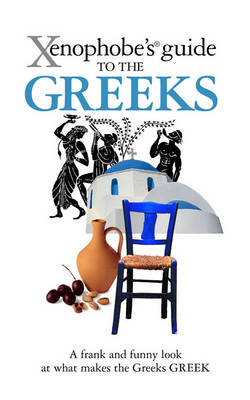
Xenophobe’s Guide to the Greeks by Alexandra Fiada

If you read this blog, you will know I love this series and I adore the Xenophobe’s Guide to the Greeks written by the Athens-born Alexandra Fiada. The author introduces her culture with all the quirkiness it brings and entertains the reader with many examples of the funny habits, customs or obsessions the Greek have. A very pleasant read.

book-review-greek-travel-books-2

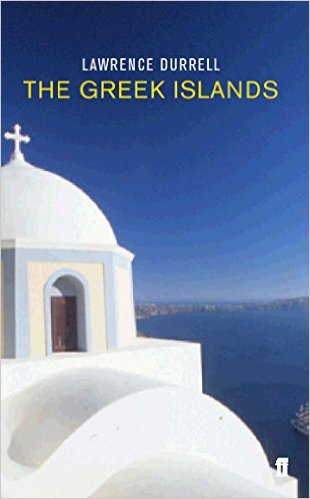
The Greek Islands by Lawrence Durrell

First published in 1978 and even now The Greek Islands by Lawrence Durrrell still gives us a flavour of the Islands. The chapter on Crete is a 50-page-long description of Cretan life, character, scenery and associated myths (with particular attention to the Minotaur: a half-man, half-bull creature). It is an informative, interesting read with some thought-provoking questions which Durrell himself attempts to answer.

book-review-greek-travel-books-3

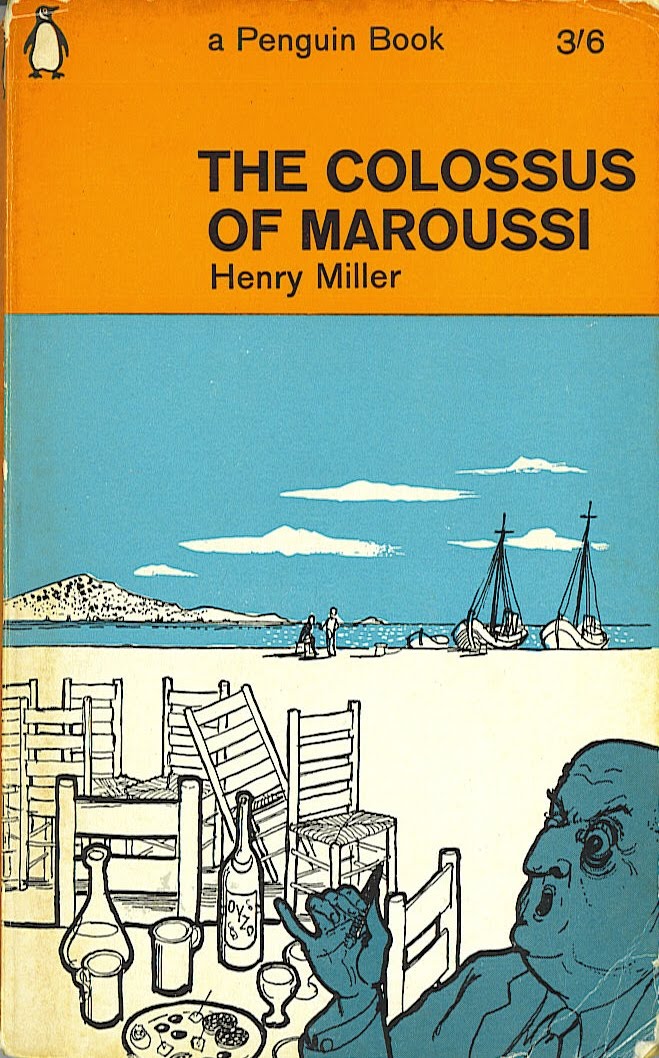
The Colossus of Maroussi by Henry Miller

Henry Miller was a very good friend of Lawrence Durrell, so I decided to also read about Miller’s travels to the Greek Islands in 1939. It is a beautifully written story of his life on the Greek Islands with some philosophical digressions here and there, like “I was never more certain that life and death are one and that neither can be enjoyed or embraced if the other be absent.” An excellent read, to be enjoyed on a deserted beach, perhaps?

book-review-greek-travel-books-4

What are your favourite reading companions to Crete? Please let me know in the comments below.

Written by Kinga Macalla

November 9, 2016

Book review: The Journey. The Fine Art of Travelling by Train.

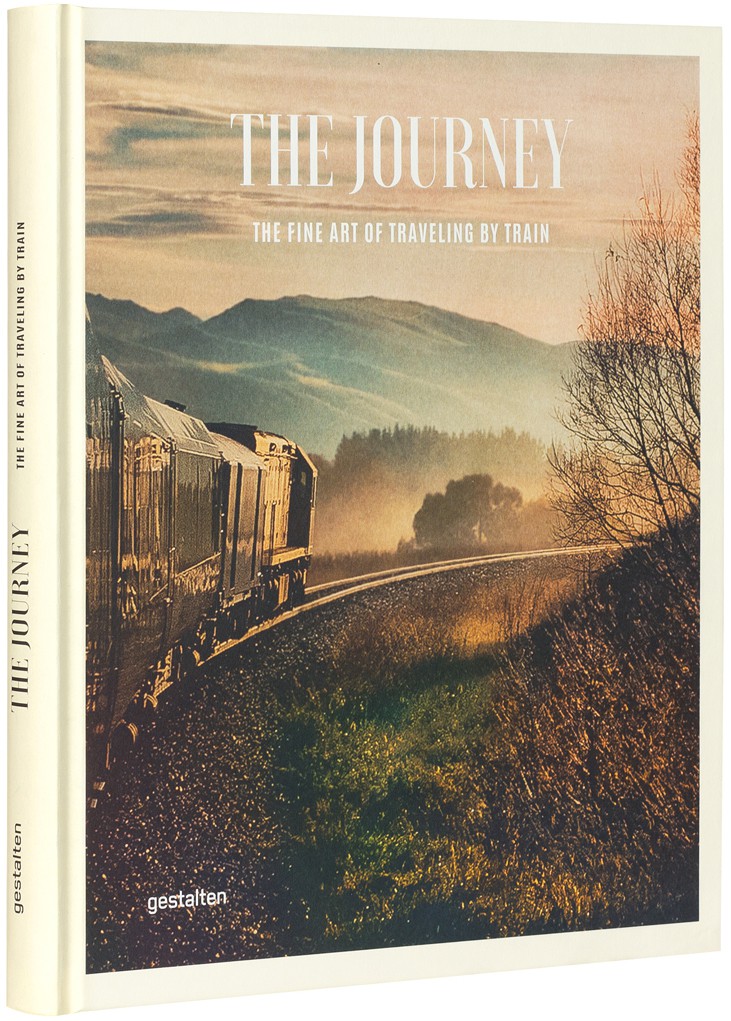
A beautifully photographed album of the world’s luxury and local long- and short-distance train journeys. Since reading Closely Watched Trains (Ostře sledované vlaky) by Bohumil Hrabal, I have become inspired by the romantic and sentimental vibes associated with trains and train stations, to such an extent that I now even live by a train station. I must confess, I simply adore this publication. It gives a precise overview of the most magical train routes in the world. The photographs accompanying each train journey are astonishing. You can definitely taste the flavour of each of the routes, which include the Venice Simplon-Orient-Express, The Belmond Royal Scotsman, the Glacier Express, El Transcantabrico, the Trans-Siberian Railway, Kyushu Seven Stars, the Eastern & Oriental Express, Royal Rajasthan on Wheels, California Zephyr, Hurricane Turn, the Royal Canadian Pacific, Belmond Hiram Bingham, La Trochita, The Blue Train, The Royal Livingston Express, the Tazara Railway, La Micheline, The Ghan, the TranzAlpine and many more.

journey-travels-by-train

It is a nice read for long, slow wintry evenings (but be careful: after reading it, you may become inspired to book train tickets straight away!). It could also be an excellent idea for a Christmas present.

Do you like travelling by train? What is your favourite route? Please let me know in the comments below.

Written by Kinga Macalla

October 12, 2016

Book Review: Maintaining Your Second Language by Eve Lindemuth Bodeux

maintaining-your-second-language-1

“The big ‘secret’ to improving second language skills is practice.” Eve Lindemuth Bodeux (p. 9)

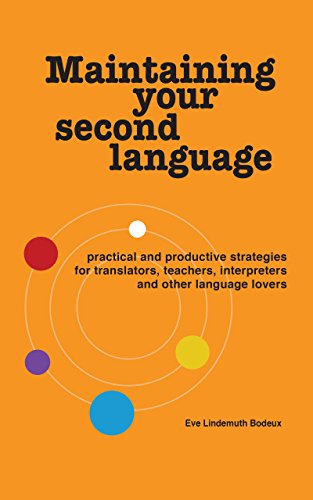
I became in love with this book from the very first page. The author, Eve Lindemuth Bodeux is an experienced second language user and the content is predominantly based on her own experience. This, I think, is what makes the book so special. As a reader, you want to implement many ideas and tips immediately, as you feel truly inspired by the strategies and techniques presented by Eve Lindemuth Bodeux.

I would need to re-write the whole content to praise it enough, but instead, I am going to introduce the book by one of its first chapters: ‘Define Your Goals’. I think it is important to know why we want to improve our language skills, what we want to achieve, what learning journey we will follow and how much time and energy will be involved in achieving our goals. I have answered the suggested-by-the-author questions for my two languages: Czech and French. It is only the beginning of this fascinating journey of maintaining and improving my language skills, but I have already started working on my Czech and French by watching films, reading out loud and having language exchange meet-ups.

Maintaining your second language is a practical and approachable guidebook for any second-language user, linguist, tutor, translator or language enthusiast. As enthusiastic as I sound I cannot recommend this book enough!

If you know more than one language, how do you maintain your second language skills? What is your favourite activity? Please share your tips in the comments below.

[All quotations and mentions come from Eve Lindemuth Bodeux, Maintaining Your Second Language, Spectacle Book Press, 2016.]

Written by Kinga Macalla

August 10, 2016

Book Review: Reading Companions to the Isles of Scilly

I decided to fulfil my dream of visiting the British sub-tropical archipelago, the Isles of Scilly, located around 30 miles off the coast of Cornwall. You can read more about my travelling experience here and today I want to share with you what inspired me to visit the Isles and what reading souvenirs I brought back home.

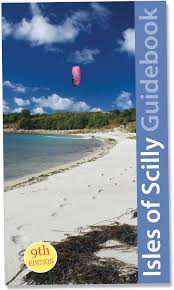
Isles of Scilly Guidebook
Essential. I walked everywhere with this guidebook. I had an older edition I had bought in a charity shop which was thinner than the more updated ones. If you want to purchase the latest publication, you can do so on the ferry Scillonian III or on the Isles.

Isles of Scilly Guidebook

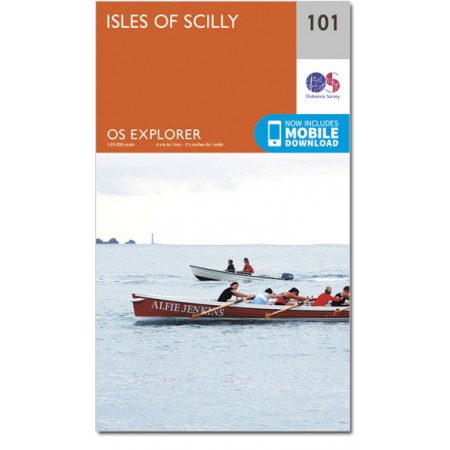
OS Explorer Isles of Scilly (101)
Additional touch. To be honest, I did not use the OS map that much, the above guidebook was all I needed when visiting the Isles.

OS Explorer 101

Cereal Vol. 5
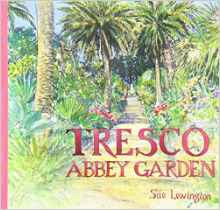
Inspiring. Tresco Abbey Garden, birds, photo essay. Beautiful.
The Rough Guide to Devon & Cornwall
Practical. There is a chapter devoted to the Isles of Scilly worth reading, but I would not carry it to the Isles.

Cereal vol 5

Drawings by Sue Lewington
Artistic. I bought two books of her drawings, A Week on Scilly and Sketches of Scilly. Sue lived on St. Martin’s for nearly 8 years. You can easily get her drawings on the Isles, too.

Drawing by Sue Lewington

Times Remembered. A Scillonian’s Story by Gladys Perkins
Local history. I bought a memorial written by a Scillonian, Gladys Perkins after visiting St. Martin’s Island. The book was advertised in the windows of most houses on St. Martin’s, since the author was born and is still living on this very Island!

Do you have any favourite guidebooks or fiction writing on the Scilly Isles? Please share your recommendations in the comments below.

Written by Kinga Macalla