Tag Archive: Travel

March 22, 2017

Travelling Corner: How to have a PERFECT weekend away

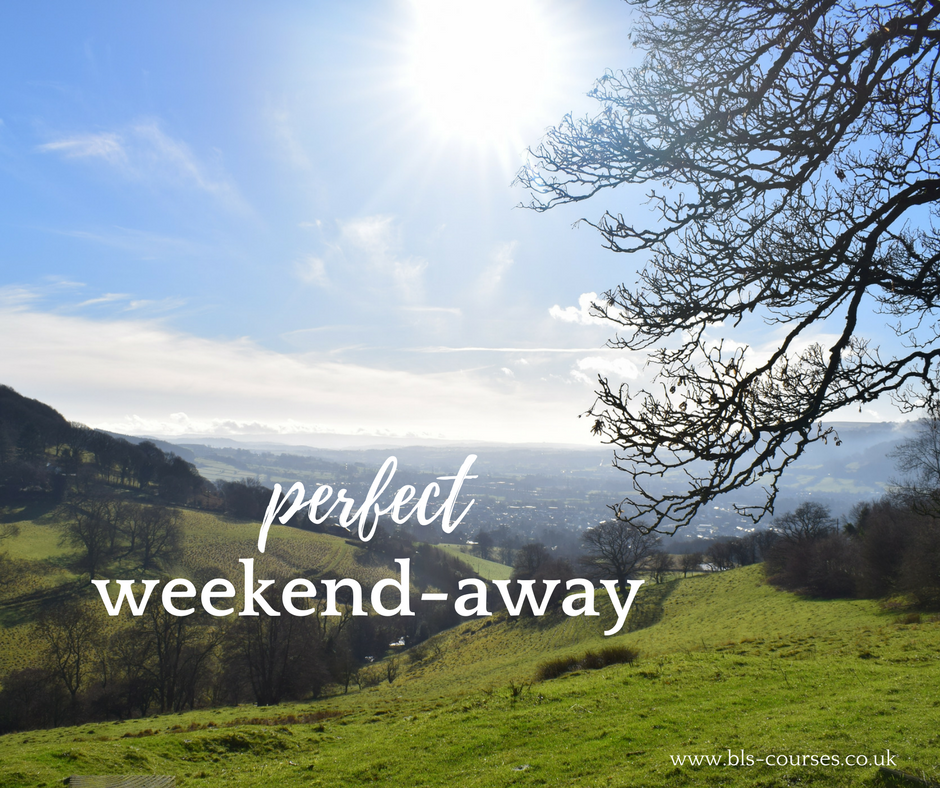
I recently travelled to Brecon Beacons in Wales for the weekend, as I wanted to slow down, think through certain aspects of my life and re-charge my batteries. Do you sometimes feel that you need to change your surroundings and just go away for a couple of days? I have the same feeling, especially if I work super hard and my enthusiasm is exchanged for tiredness. Then I need a perfect weekend away. But how should I plan it and where should I spend it? Let me share with you some of my secrets…

perfect weekend away

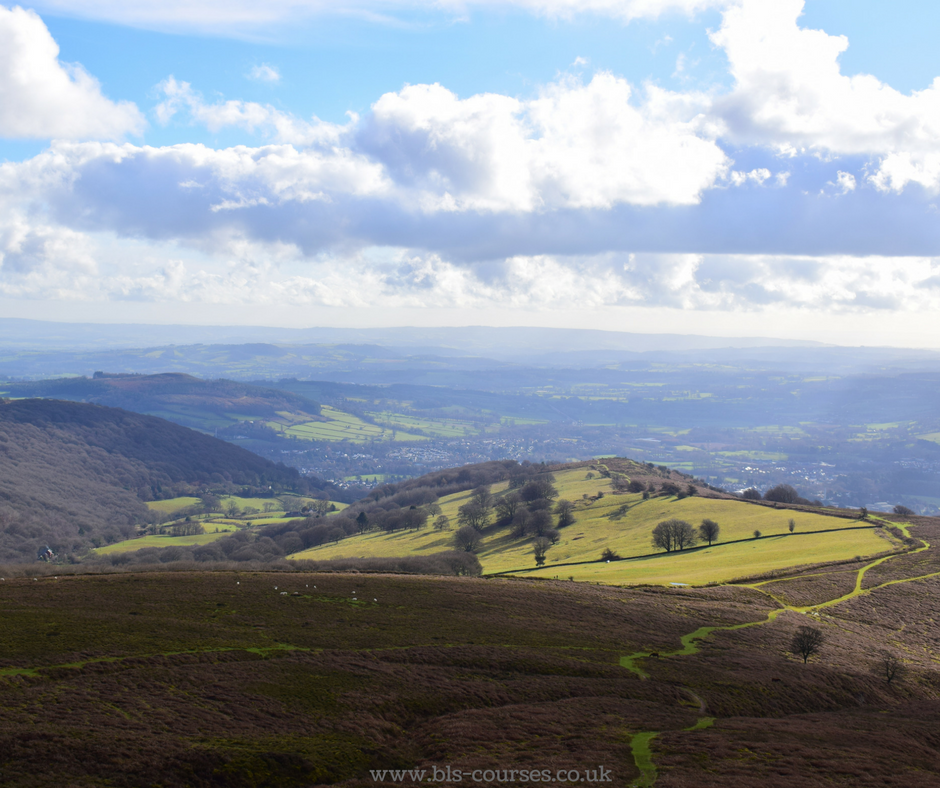
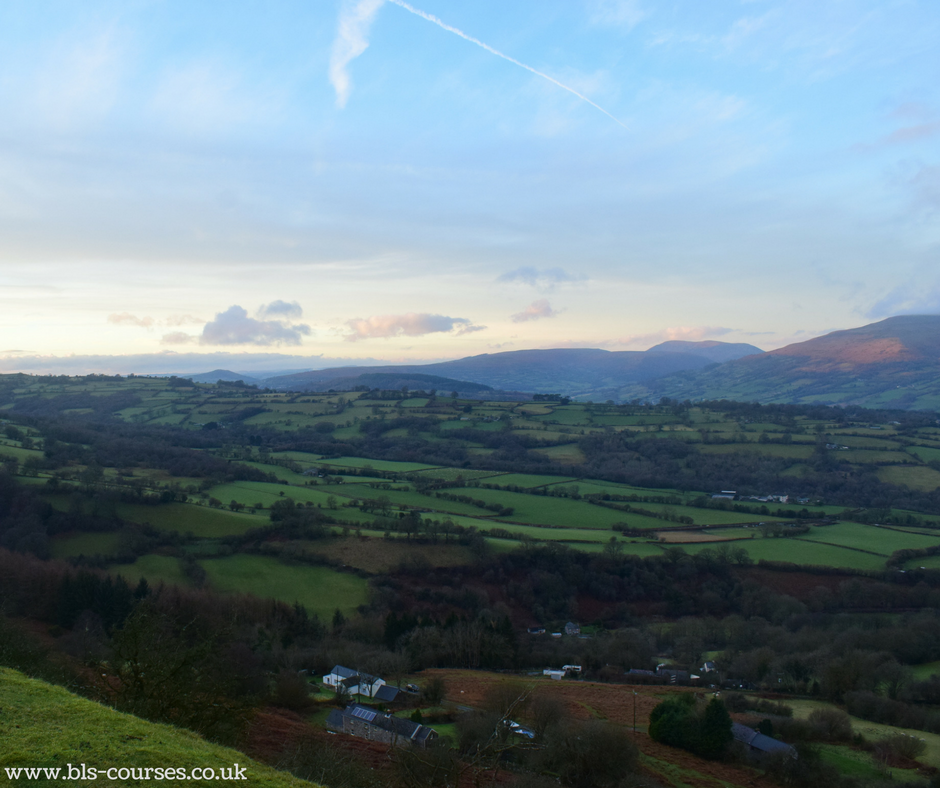
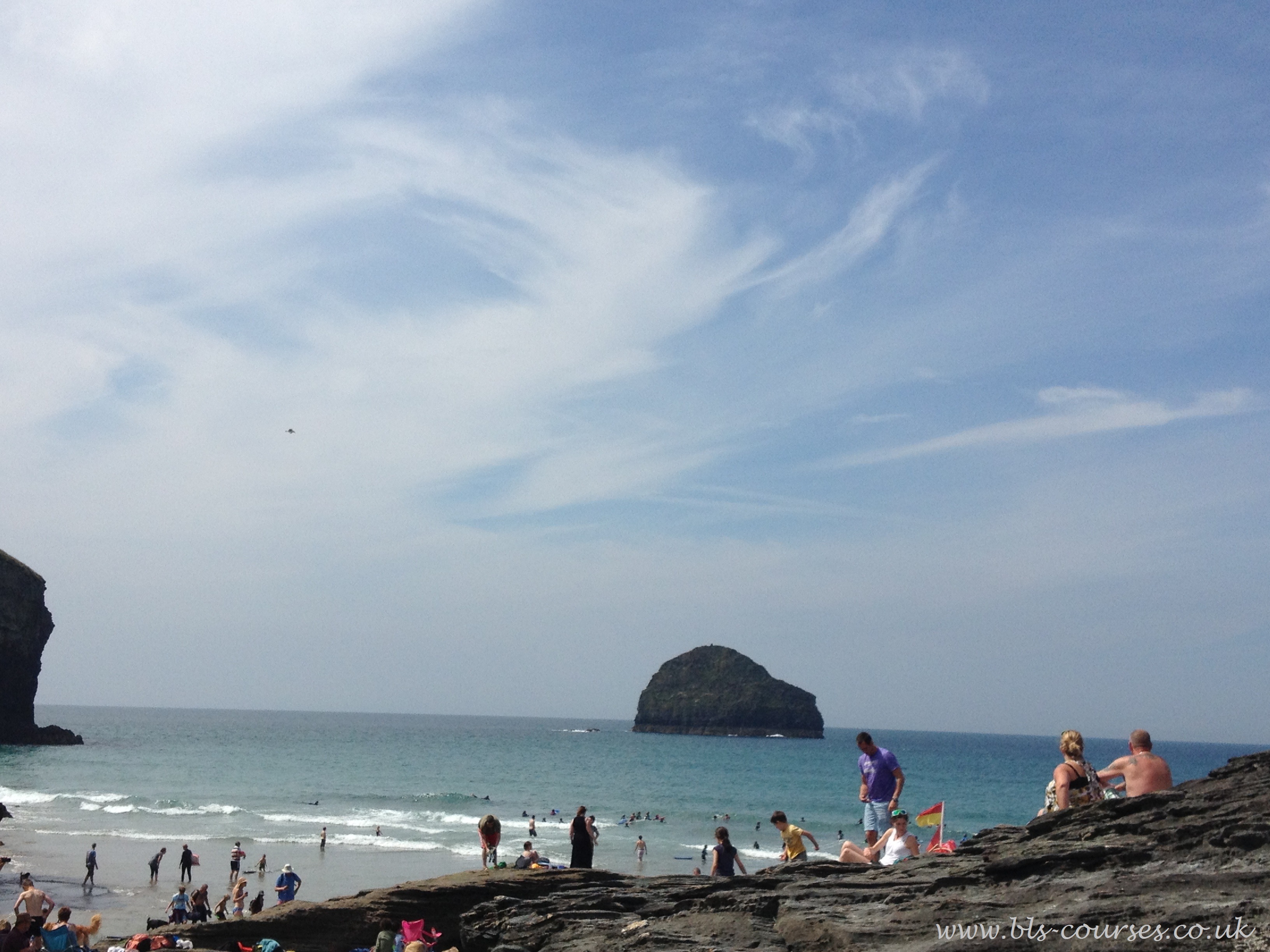
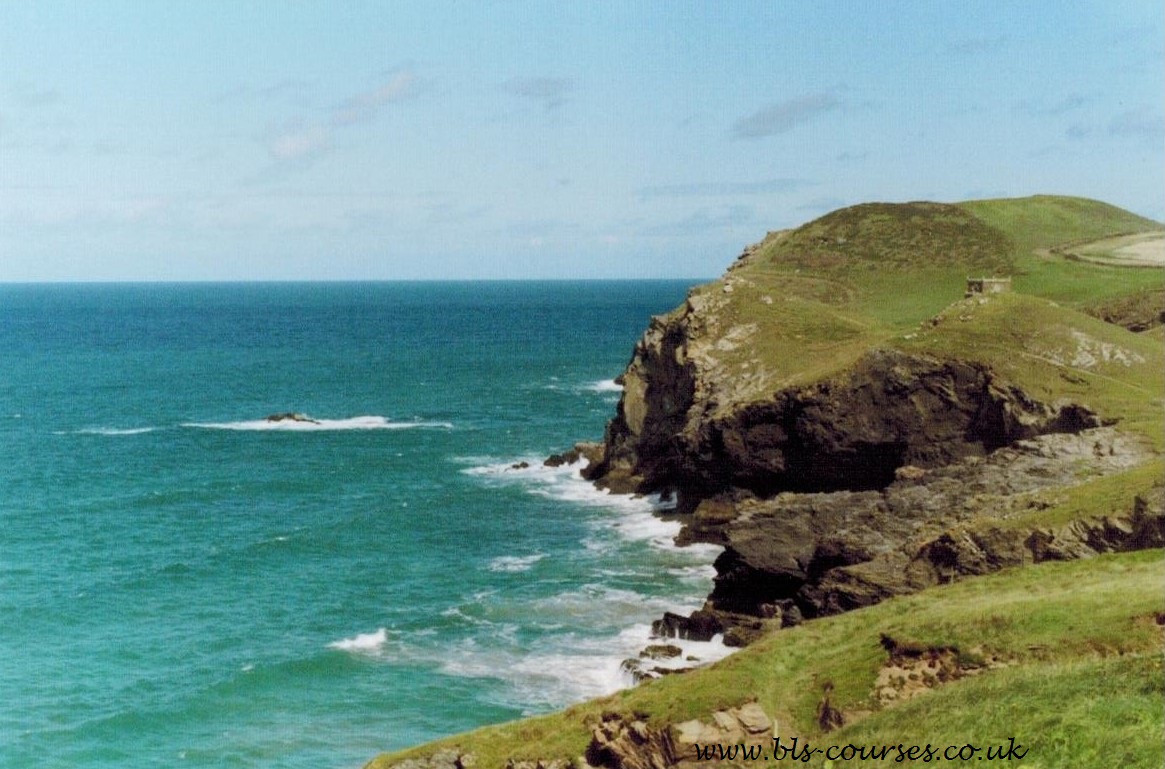
LOCATION It’s good to choose a location that’s beautiful, not too far away (up to a 2-hour drive away) and is not too commercial

location 1

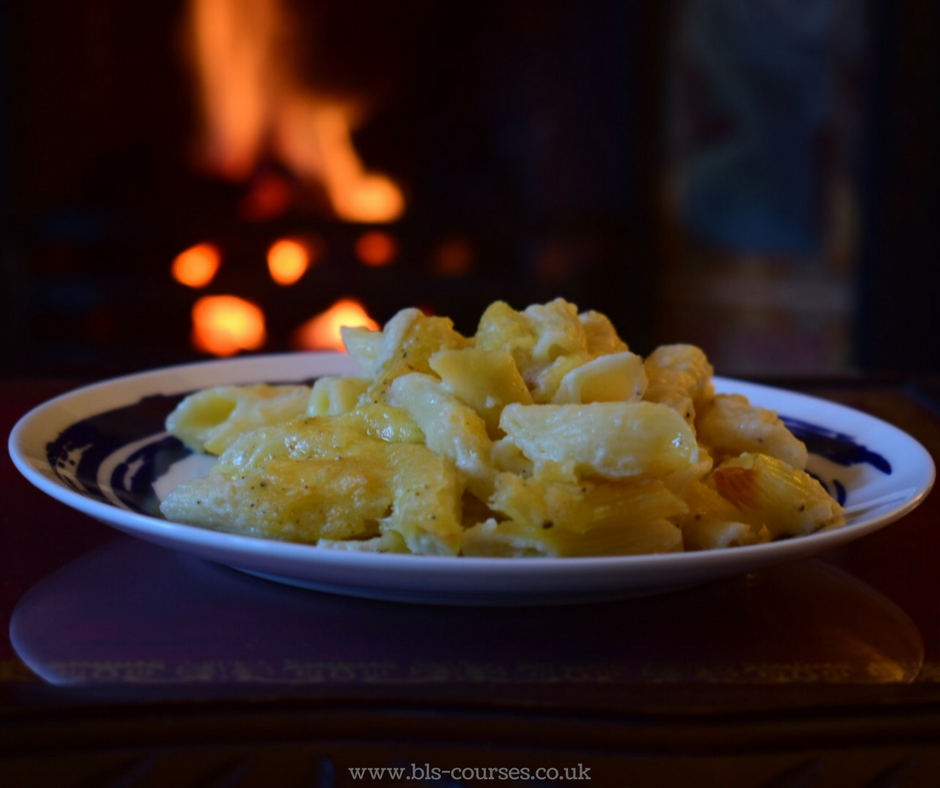
HOUSE Rent a cosy, nicely decorated, but not too big, house or cottage, maybe with a fireplace. Take some candles with you, they will make every evening magical

house 1

GET READY Finish off all important work commitments before heading away, unurgent duties signpost for completion upon your return

get ready 1

INTERNET DETOX Yes, unplug from all social media and don’t check emails every two seconds, live the real life for a couple of days. If you need to send an email or post something, do it and then unplug. Trust me, it is so liberating.

location 2 1

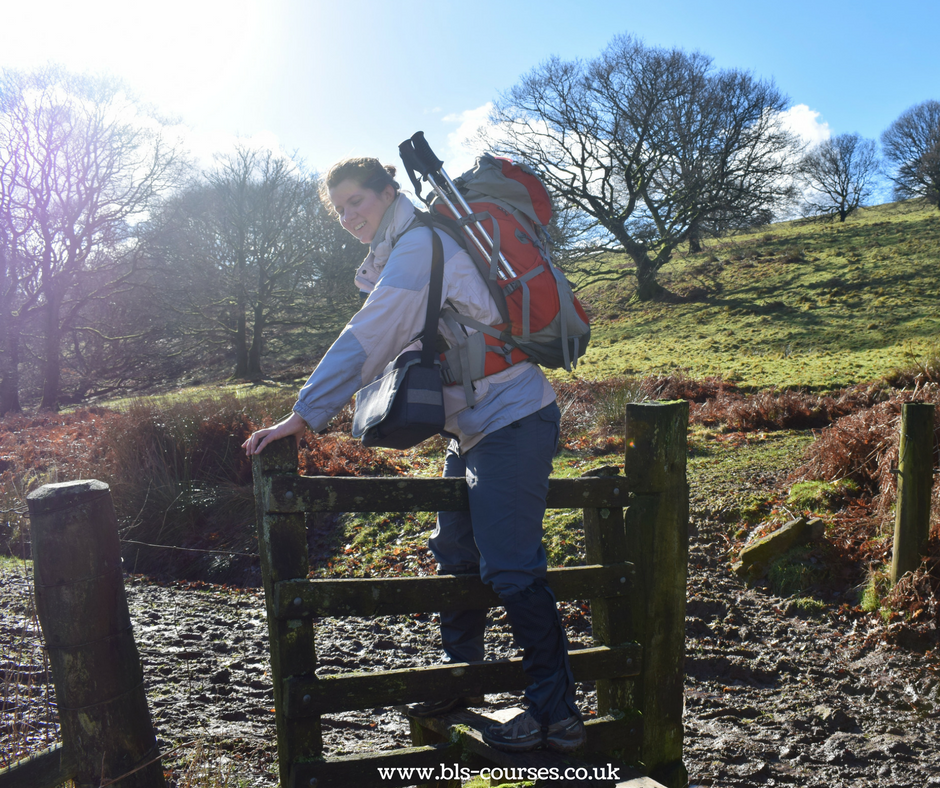
ACTIVE If you lead an active lifestyle, be active, go jogging, hiking, swimming, surfing… whatever relaxes you and makes you happy

active 1

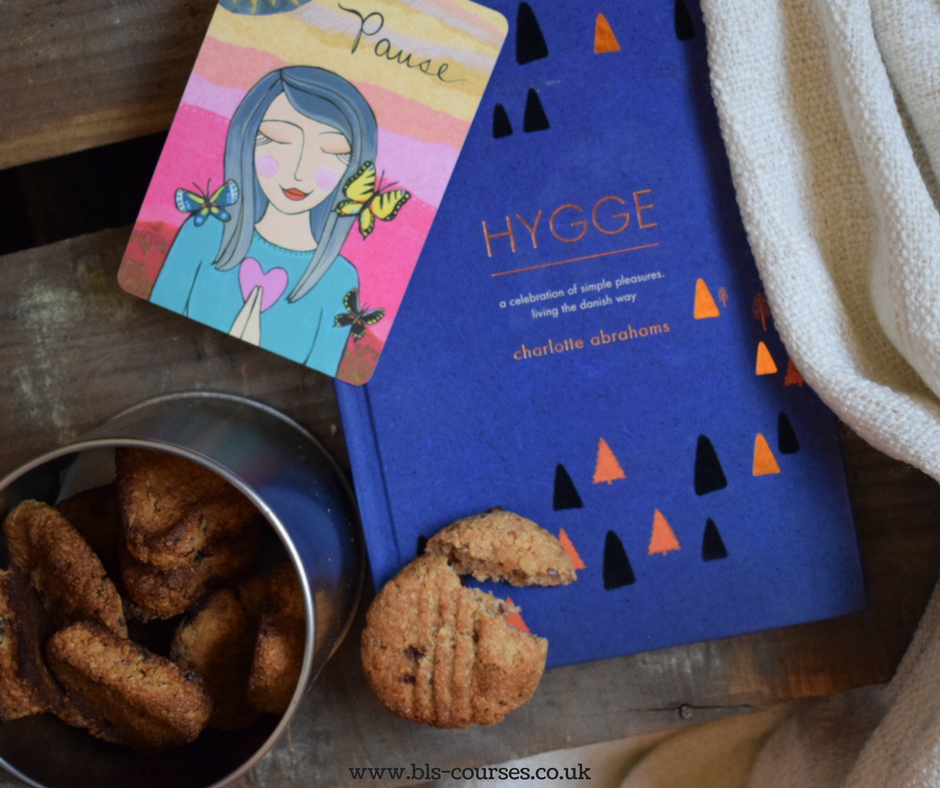
READ Take a paper, books and magazines, your favourite unfinished novel or that magazine you’ve mean wanting to read for a while

reading 1

COOK Plan your meals and make them special, devote more time to cooking & eating, have your partner, friends and children involved in preparations and enjoy this time together. Don’t rush through your meal times, let the dinner last for a couple of hours while you chat about summer holiday plans or a newly published novel by your favourite author

dinner 1

BED TIME Try to go to bed a little bit early and wake up early to prepare a delicious breakfast or to have an early morning walk

bed time 1

How do you plan your perfect weekend away? Do you have any tips? Please share in the comments below.

Written by Kinga Macalla

April 27, 2016

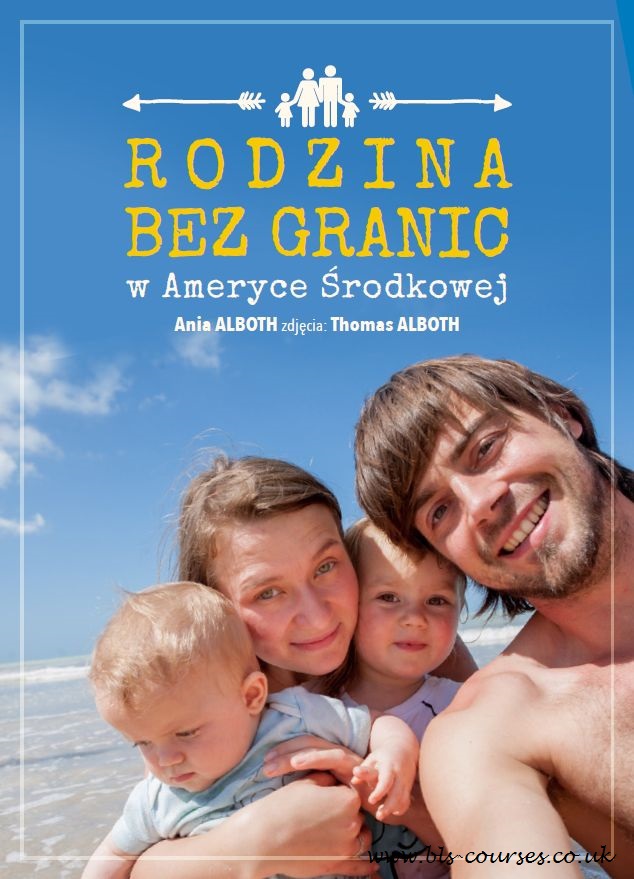
Interview with Family without Borders

1. We are very impressed by your motivation to prove that a nomadic lifestyle and having children don’t have to be mutually exclusive. What advice would you give to new parents who don’t want to give up on travelling?
Just don’t 😉 Just think about anything you would like to do with your life – without the stereotype “if I have kids I can’t…”. Think whether you really can’t. Having kids is a very good excuse for not doing things: going out, developing, taking care of yourself. In our couple we believe that your kids will be happy – if you are happy. Not when you sacrifice yourself to do this or not to do that. With us, it just so happened that what makes us happy – is travelling. So we wanted to check whether our kids liked it too. We took into account that they might not and we had in mind that we would come back home if they were unhappy. But what does a little kid need? To sleep, to eat and to have happy parents!

Family without borders 4

2. You’re a journalist, your husband works as a photographer. Are your travels professionally motivated or are they just for leisure? 
It started with pure family holiday happiness. The time together. Both my pregnancies were risky, both girls were born much too early and with both of them we spent long weeks in the hospital, at the beginning of their lives. Travelling was this “finally, our time together”, non-stop together, kids with mama and papa 24/7. But I am a journalist and my husband loves taking pictures – I was taking notes and he was taking pictures. In the beginning, our blog was just for the grandparents, but then it started to grow, got more popular, we started to have opportunities to publish some of the stories in travel magazines – and this just motivated us to collect notes and pictures in a more professional way.

3. Does travelling with children enhance your travelling experience? Do your daughters offer a different perspective of the places you visit?
Absolutely! Travelling is slower (because based on smaller feet or with little breaks here and there) but also more detailed. They also ask a lot of questions – which motivates me to find the answers. And they help us to get in touch with people immediately. Starting from talking about their names, age and amount of teeth, very quickly we can move on to serious, and also journalistic, topics.

4. Have you had to adapt your travels since the girls were born (for example in terms of safety)? Are there any places you chose not to visit because of this?
Actually, we only started seriously travelling with them. Before they were born, each of us, travelled a bit, separately but it was not far and not for long. What is worse about travelling with kids than without them? What can’t you do (if you would like to)? We do not party too much in the evenings (because we can’t leave them in the car, tent or hostel room alone), like we could at home, having their grandmother or our friends to help with it. And we don’t visit war zones or casinos. All the other things we do: travelling through mountains, visiting refugee camps, hitch-hiking on the yacht. We do believe that for kids everything can be interesting (not only so-called “family friendly” places). Even if it’s only interesting for the parents, they can talk to them about it.

5. In terms of language, how do you find bringing up your girls in a trilingual environment? Do you use any particular strategies? What are the main challenges?
We are a Polish-German couple and it was clear to us from the beginning that I was going to speak Polish with my kids and Tom, German. I can’t imagine not speaking my own language to them, the one I love and feel the best in. It would be artificial somehow. And because Tom and I speak English to each other, they also have passive knowledge of English. That’s what we thought, but during our visit to New Zealand, they also started to speak English. For them, the concept of languages is normal and clear: people in the world speak different languages. It is also easy in Berlin: in our kindergarten most of the kids are bi- or trilingual.
From our perspective: it was very important to make a separation: one person-one language. Tom can also speak Polish for example, but if he sometimes spoke  Polish to the girls, they would code it as German. For them: everything that papa says to them – is one language.

Family without borders 3

6. In your opinion, how does a multicultural childhood affect a child’s development?
I don’t know how it is with other kids, because I was never a mother of non-multicultural kids 😉 I can also look around and compare: they don’t have this “the Other” attitude. They know (because of their languages and because of travelling) that people can be very different and have different behaviours. That very poor people, who speak some strange Mayan language in Guatemala, might give them the best chocolate ever or that black kids in Vanuatu might be better at hide-and-seek. And that it all doesn’t matter and in most cases you do not need a language or even deep knowledge of some culture – you can just stay open, smiling and respectful – and you will be happy everywhere. My girls know that a “stranger” is in the first place a potential friend, not a danger.

Brilliant, thank you, we will follow your travelling projects eagerly.

Interviewed by Bristol Language School  
Photo courtesy of The Family Without Borders
To follow The Family’s travels and life visit their website and FB page.
If you would like to purchase a copy of “Rodzina bez granic”, you can do so here (from mid-May 2016).

April 20, 2016

Travelling Corner: 5 Favourite Secret Beaches in Cornwall

I return to Cornwall frequently, most often to walk the South-West Coast Path. Whilst walking, I have discovered quite a few beautiful secret beaches. Below is a list of my favourites (and yes, I swam in the sea there, too, brrrr!).

SWCPTrebarwith Strand Beach
Quite large, big waves, popular [directions: Trebarwith Strand car park]

TrebarwithLundy Bay
Small, picturesque, big waves, semi-popular [directions: 1 mile along the coast path from Port Quin or ½ mile from the National Trust car park on New Polzeath Road]

Lunday Bay 1Porth Joke (Polly Joke)
Small, but long, quiet, semi-popular [directions: 1 mile along the coast path from the car park in West Pentire]

Polly JokePorthcurno Beach
Quite large, beautiful, popular [directions: very steep walk down from Minack Theatre]

Porthcurno1Polurrian Beach
Small, idyllic with light yellow sand and light blue sea, semi-popular [directions: from Mullion Cove 20mins north on coast path]

PollurianThis is my list. Do you have any favourite beach(es) in Cornwall? Please share your favourites in the comments below.

Written by Kinga Macalla

April 6, 2016

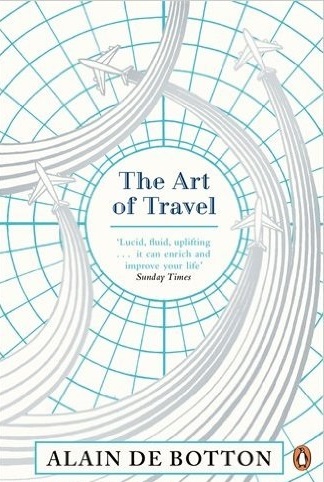
Book Review: The Art of Travel by Alain de Botton

Like any “Art of…” book, this publication focuses on how to, in this instance, travel better.

It takes the reader on a fascinating intellectual journey through ideas, thoughts, paintings, literature, cities, countries and much more.

I will say no more other than that it was a pleasure to read.

Book Review The art of travel

Written by Kinga Macalla

February 24, 2016

Travelling Corner: Scottish Tartan in Winter

We decided to visit Scotland for the very first time this winter. Yes, we wanted to experience as much rain, snow and wind as possible! Joking aside, it only rained for one whole day and two afternoons/evenings, that‘s all! (Obviously it rained at night, but we were sleeping like angles.)

Scotland 4

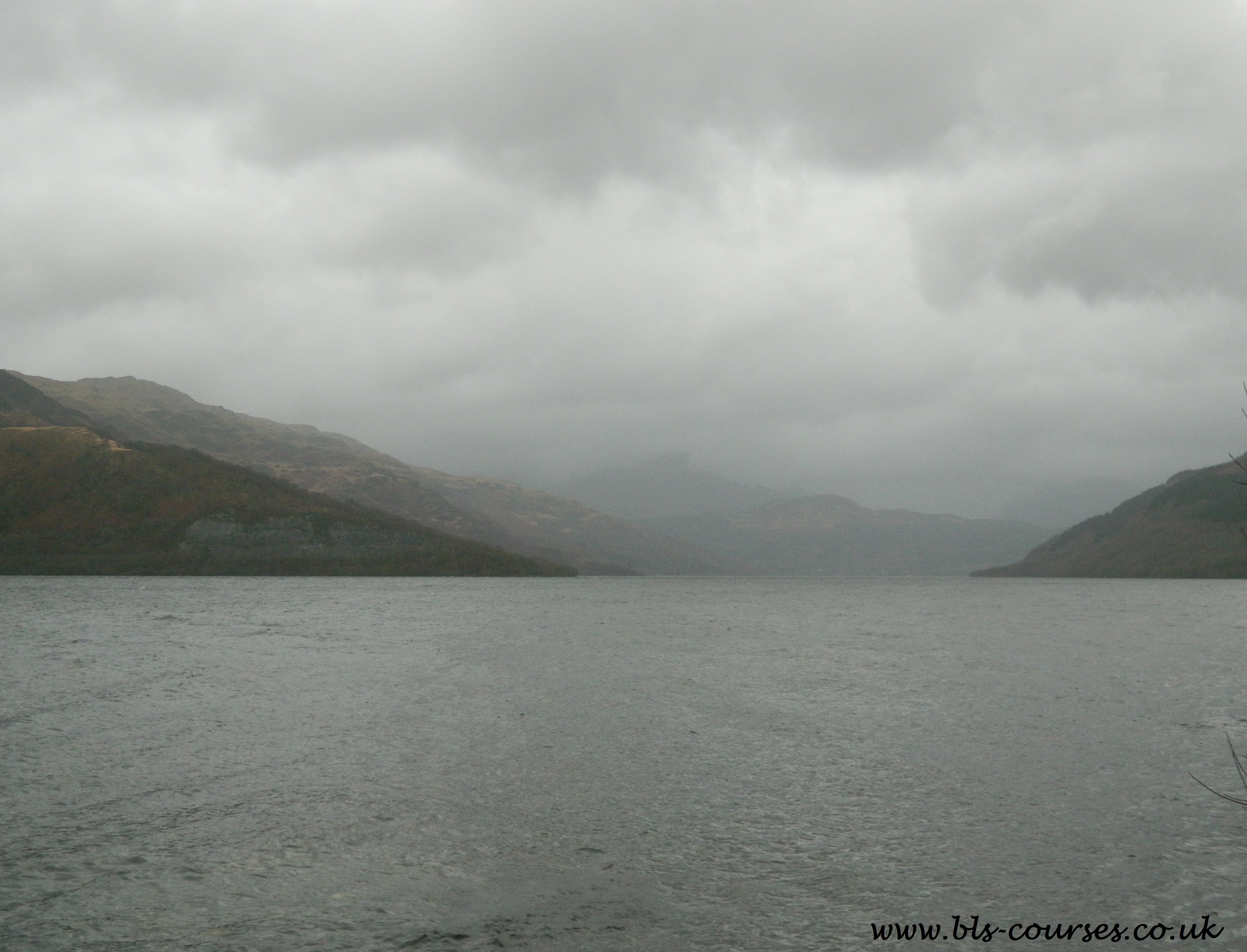
Throughout our stay in Scotland, we felt a constant impression of mystery. It was very strange at first, but we got used to it. Maybe it was the wintry, foggy weather, lonely landscapes and large monumental buildings or perhaps this is the real charm of Scotland.

Scotland 1

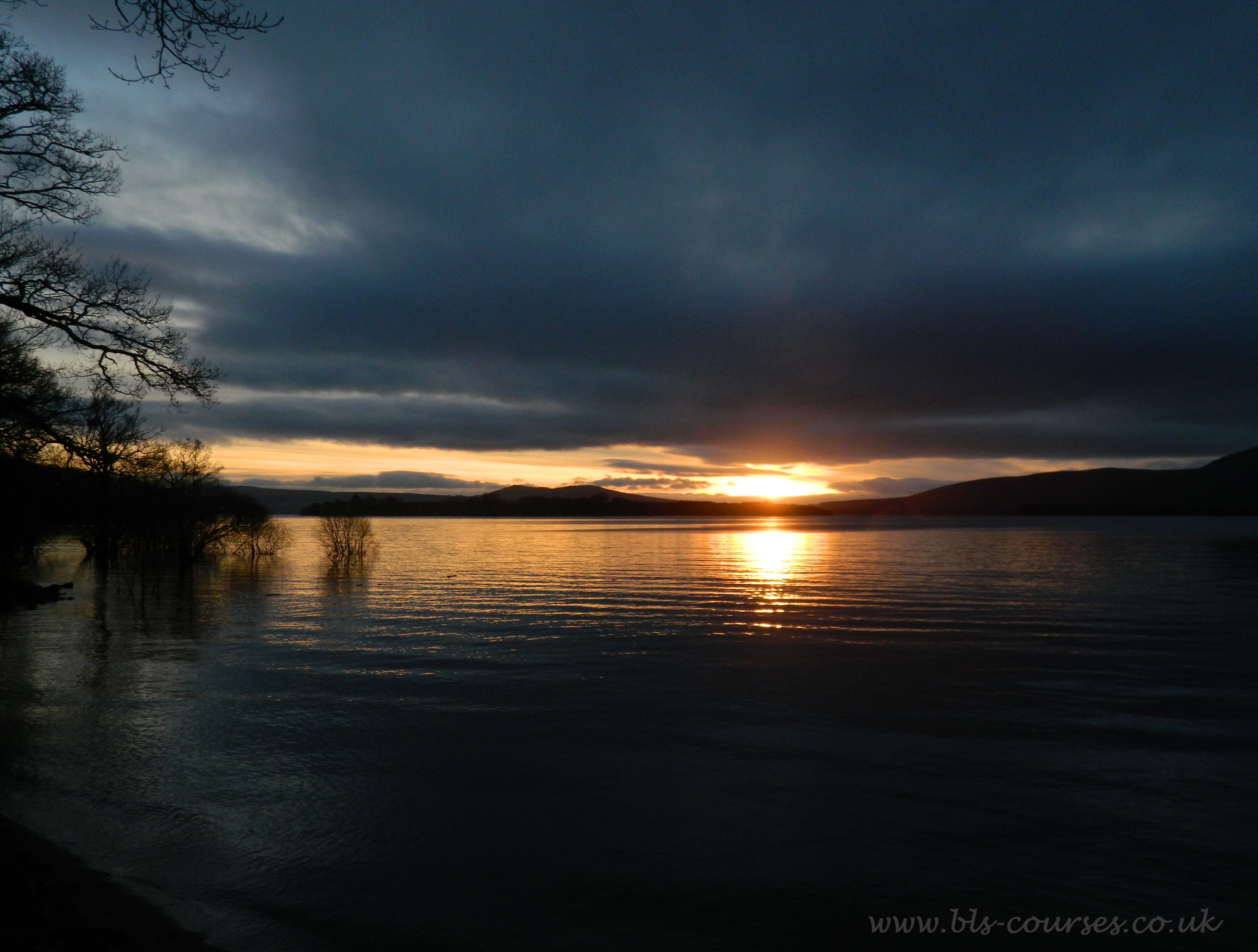
We first stayed by Loch Lomond and walked the east side of the lake. We walked every day and if some parts were flooded, we used the main road or we went up to one of the many forests that surround the lake. We were able to observe the lake and the way it changes depending on the weather: from clear blue to dark grey or beautiful white. The views were very absorbing so we stopped now and then to have a rest and admire the beautiful landscape. This was our time to slow down and be at one with nature: we had no set intention for each day; we simply followed our desires and feelings.

Scotland 3

After this period of time being close to nature, we went for a trip to Glasgow. What a contrast! We could not find our way in this commercial city. We felt as if we were in a big supermarket and did not know how to escape. Fortunately, the Cathedral was a ‘wee’ bit away from all the sales and offers, so we went there. The Cathedral impressed us, but what struck our attention the most was the Necropolis, situated high up on a green hill, giving extensive views of the city. We spent some time there before going for lunch at the famous Willow Tea Room, recreated as designed and decorated by Charles Rennie Mackintosh in 1904. We wanted to visit a few more places, but the amount of people (many!) was somehow discouraging, so we headed back to our ‘Loch’.

Scotland 6

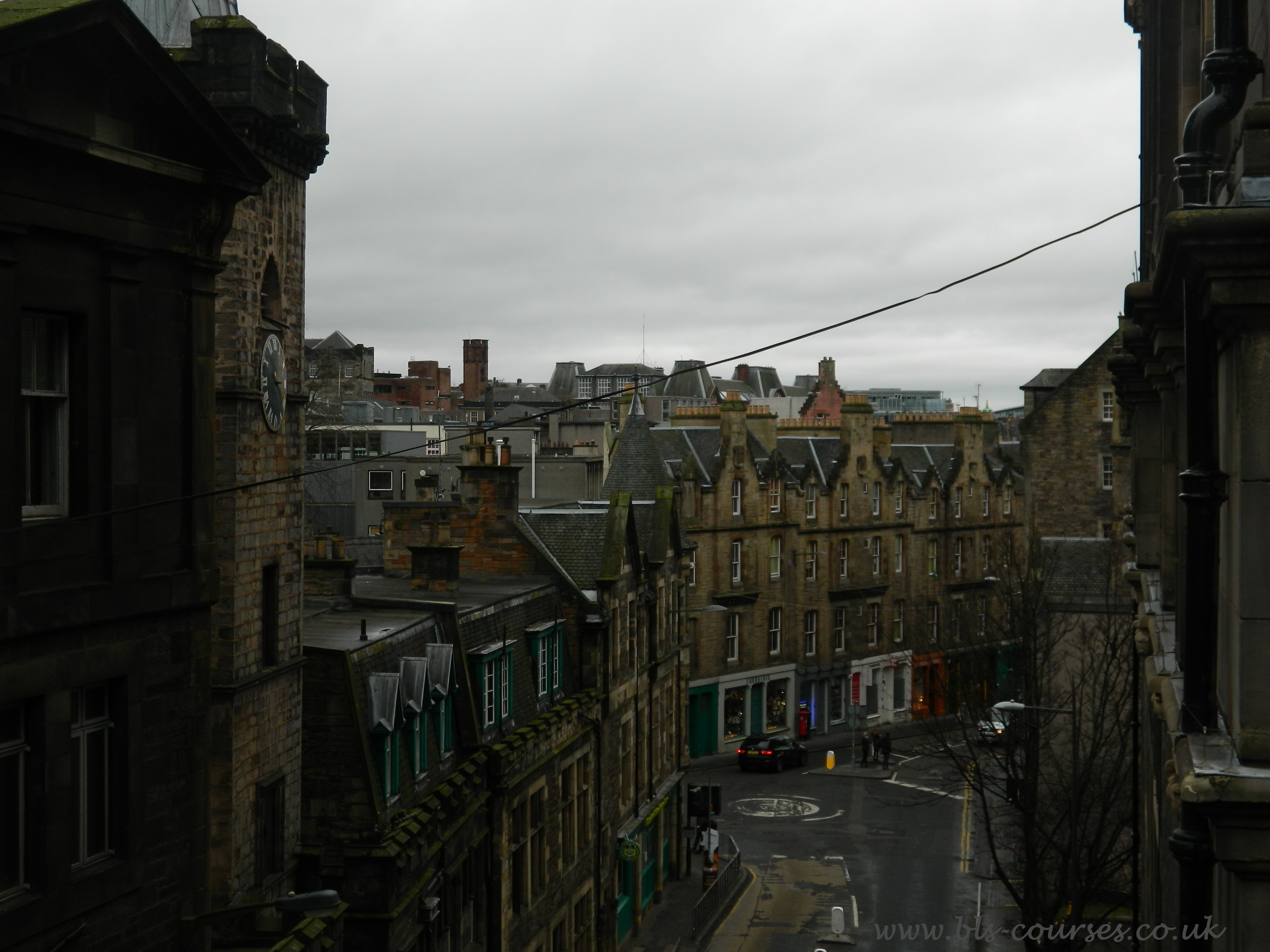
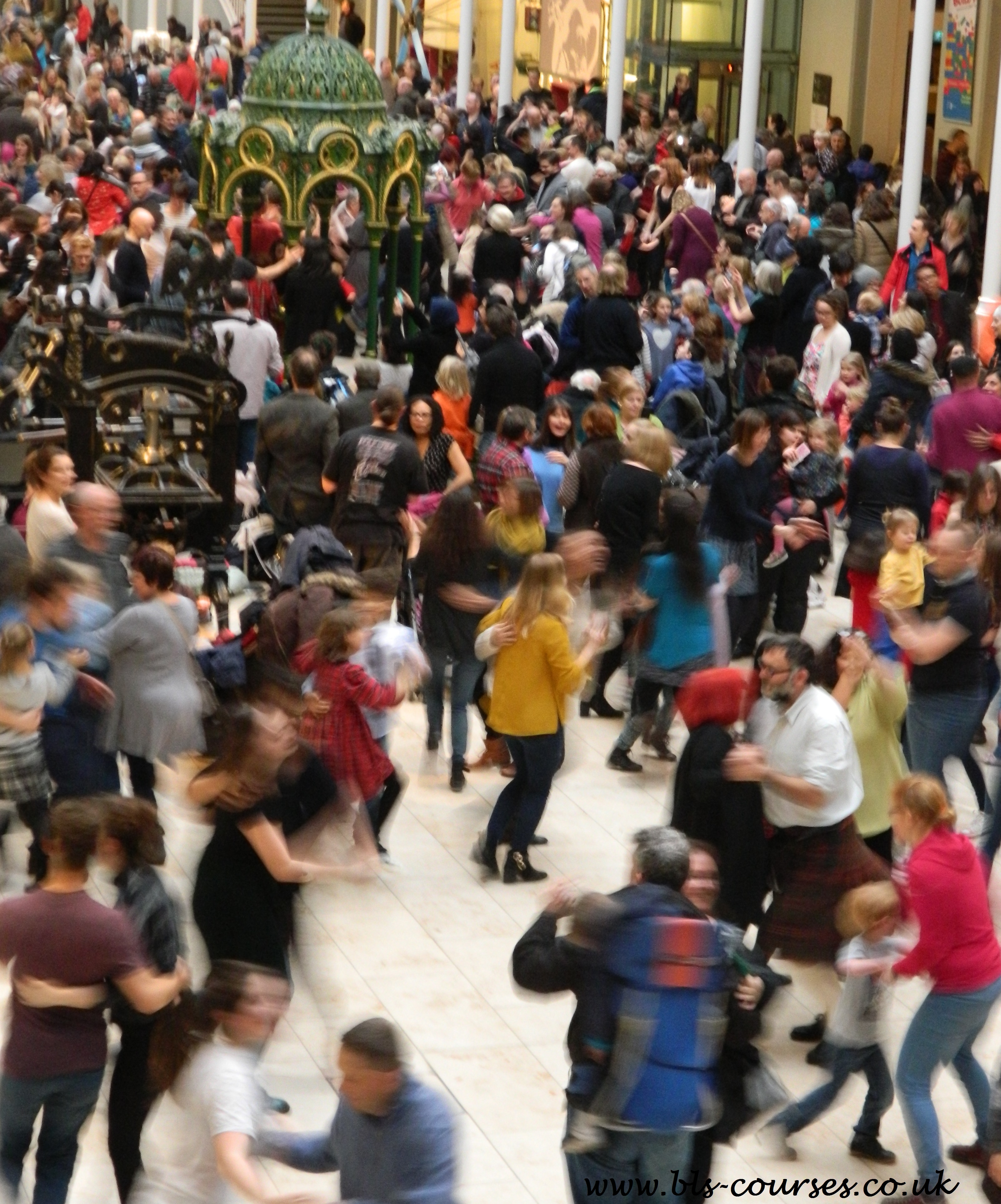
Our loch became even more flooded due to heavy rainfall, so we decided to visit Edinburgh for a few days. We stayed in Morningsdale, a truly charming part of Edinburgh, full of small cafés (“bistros”), bakeries (“boulangeries”) and cheese-mongers (“fromageries”). Yes, many shops and cafés were French-named: C’est si bon!, Brasserie, Montpellier, name but a few. Every day we went to a different café on our way to the Old Town. What a wide range of places to eat, relax and meet friends! We then crossed the park and within minutes we were exploring the old part of town. We particularly enjoyed our visit to the Museum of Scotland which was an interesting design from outside as well as inside. They had a special entertaining programme for their visitors over the Christmas period and we really enjoyed listening to Scottish bagpipes and dancing some folk dances (yes, the main hall was full of dancing visitors!).

Scotland 5

For a linguist, it was a great pleasure to hear the Scottish rolled ‘r’ on a daily basis. Unfortunately we did not experience the other two Scottish languages: Scottish Gaelic and Lowland Scots. Gaston Dorren, the author of Lingo. A Language Spotter’s Guide to Europe says that the Scottish Gaelic is endangered and argues that it might be due to its spelling which is “wasteful, arcane and outdated.” This may be true, but we will have to re-visit this land to ask its own native speakers what they think.
References: G. Dorren, Lingo. A Language Spotter’s Guide to Europe, Profile Books, London, 2014.

Written by Kinga Macalla
Photos courtesy of Kinga Macalla

January 13, 2016

Travelling Corner: Teaching in Indonesia

My adventure in Indonesia began in 2014 with a spontaneous visit to Sumatra. I remember, during one of my travels to New Zealand, flying over a lusciously green island and the pilots telling us that this was Sumatra. And since then, it has been in the back of my mind – this green, tropical, jungle covered island in the middle of the Indian Ocean. So, upon completing my University degree in October 2014 and fancying an adventure, I booked a ticket to Medan in North Sumatra on the spur of the moment. It has turned out to be an unforgettable experience which has influenced, and still keeps on influencing me, and which has led to even more adventures.
Indonesia 1

Sumatra is a tropical island, covered in jungle, and with a high humidity, the perfect place for diverse wildlife such as orangutans, rhinos, gibbons, Thomas’s langur monkeys, pythons, hornbill birds, honey bears, elephants and tigers (just to name a few) and breath-taking nature (giant leafy plants, huge trees, rivers and volcanoes). But what had the biggest impact on me, and led me to go back there as a voluntary English teacher, were the local children.

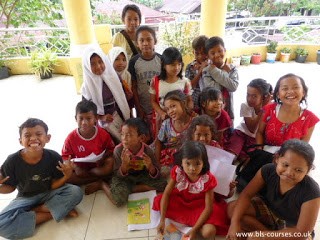
While visiting Bukit Lawang, a village bordering with the jungle, which was hit by the Tsunami in 2004, I went for a walk and met an English teacher in the village school, which has been funded by donations collected by a woman from Jersey after the catastrophe hit. It first helped people affected by the Tsunami as a medical centre, and then, when medical help was not urgently needed anymore, was converted into a school and kindergarten. This school had such an effect on me, that upon my return home, I signed up for a Master TEFL course, quit my job and spent the next months learning Indonesian and collecting contributions for the school, baking cakes, muffins and brownies for my colleagues. After 4 months, I was on my way back to Medan once again – this time, loaded with presents, books, stationary, and bursting with excitement.
Indonesia 3

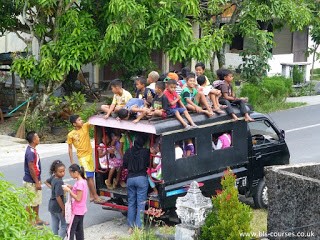
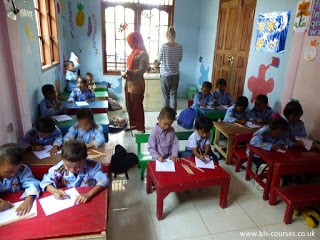
The school is mostly run by local people, who cook and clean for the teachers, help with lessons, and also employ volunteers from the UK and Europe, who teach English to the children, ranging from 3 to 14 years, as well as to adults in the villages around Bukit Lawang on various levels. Children go there for free after their usual school, either on foot or by taxis, which are organised for them by the school. Older children come with their younger siblings, sometimes as young as 1.5 years old, and some are even eager enough to come every day. They are excited and often wait outside the school gates up to an hour before the lesson starts. When the time comes, they are then led to their classrooms, and sometimes, when numbers are high, they are split into several classes, often occupying the roof terrace, lying on mats laid out for them. When I was teaching with a girl from Australia, we covered topics such as ‘Underwater world’, ‘Opposites’, ‘Activities’, ‘Family’, ‘My Body’ and ‘Protect the jungle’. We have found that a combination of activities such as word searches or puzzles, and active games worked very well, and targeted all ages in the class (which sometimes varied considerably). We spent a lot of time on preparing handouts, so that children could collect these in their booklet, as we didn’t have an official syllabus to follow. I was also amazed by the sheer and clear talent the children displayed – one group of boys was really clever in organising themselves and thinking strategically, one girl was brilliant in drawing, even things she has never seen before, and some were just great in helping other children, or enjoyed helping teachers in a more responsible role.
Indonesia 4

In addition to the school children, the teachers also help out in the kindergarten. Children, as young as 1.5 years old, learn in a playful way to say and read their first English words, often through games, arts and crafts and songs. During my time there, we were teaching about the body, day and night, colours and jungle or farm animals. Children loved to sing the ‘Old McDonald had a farm’ song and a jungle song which the local trekking guides sang about orangutans. We have also introduced a daily greeting schedule, which consisted of greetings for different times of day and corresponding activities such as ‘eating’, ‘sleeping’, ‘playing’ etc. . Repetition, especially combined with fun, was a huge success with the little ones and you could often hear them singing or reciting the learned material after class!

The school also runs adult classes in the evening for local jungle guides, as well as local people working in bars and restaurants, who want to communicate better with tourists. I have taken a step further, and started taking English material with me when going out in the evening, often teaching several people working in the restaurant on various levels – from kitchen staff to managers. I covered aspects such as simple tense, greetings, weather and opposites, worked with pop songs and crossword riddles, and introduced as much free conversation as possible. Even in my last two weeks in Bukit Lawang, during which I was on holiday, I was asked for lessons by the restaurant staff.
Indonesia 2

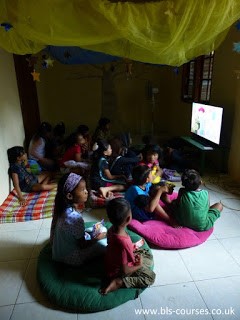
Overall, my teaching experience was an unforgettable time, filled with wonderful children and local people, the amazing foods from the local market, interaction with local staff and parents, as well as the success of setting up a movie room and a movie night, as the nearest cinema was 2 hours’ drive away. But most importantly, it was a huge learning curve for me – seeing the joy and eagerness for learning in the children’s eyes, appreciating their talents and characters, and being a part of their lives, even if for a very short while.

Written by Dagmar Dworakowski
Photo courtesy of Dagmar Dworakowski
Edited by Alicja Zajdel

December 2, 2015

Travelling Corner: Late Autumn in Wales

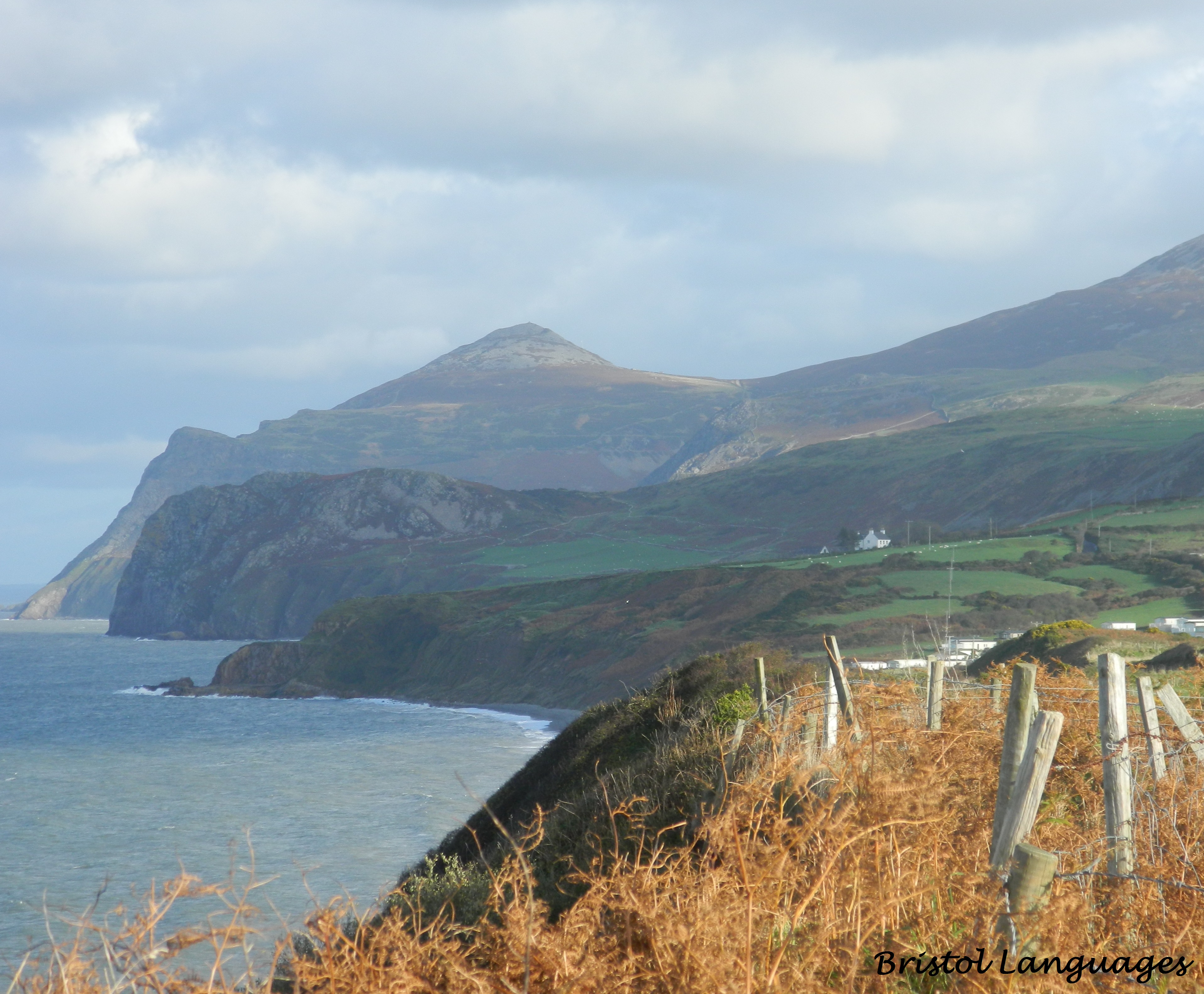
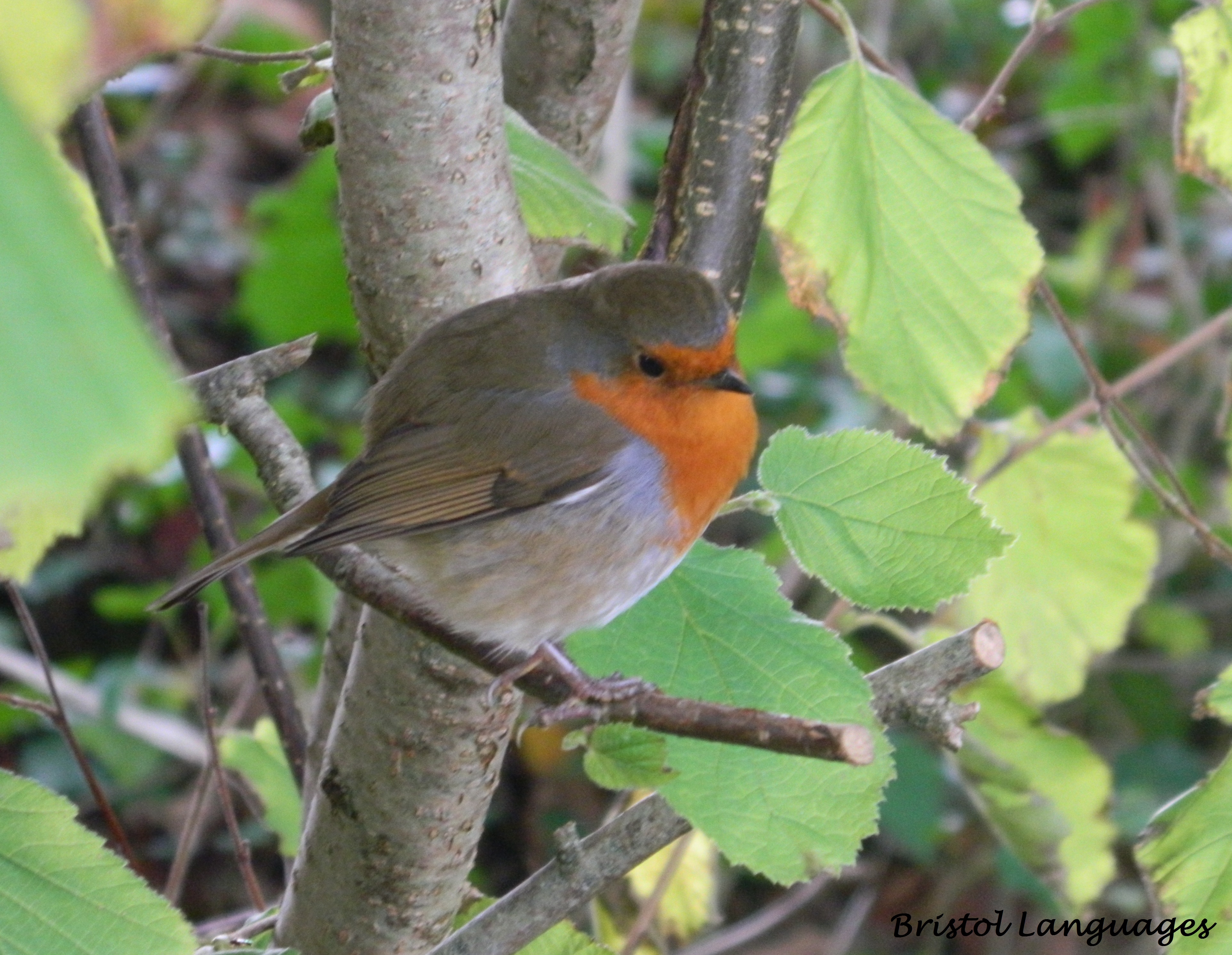
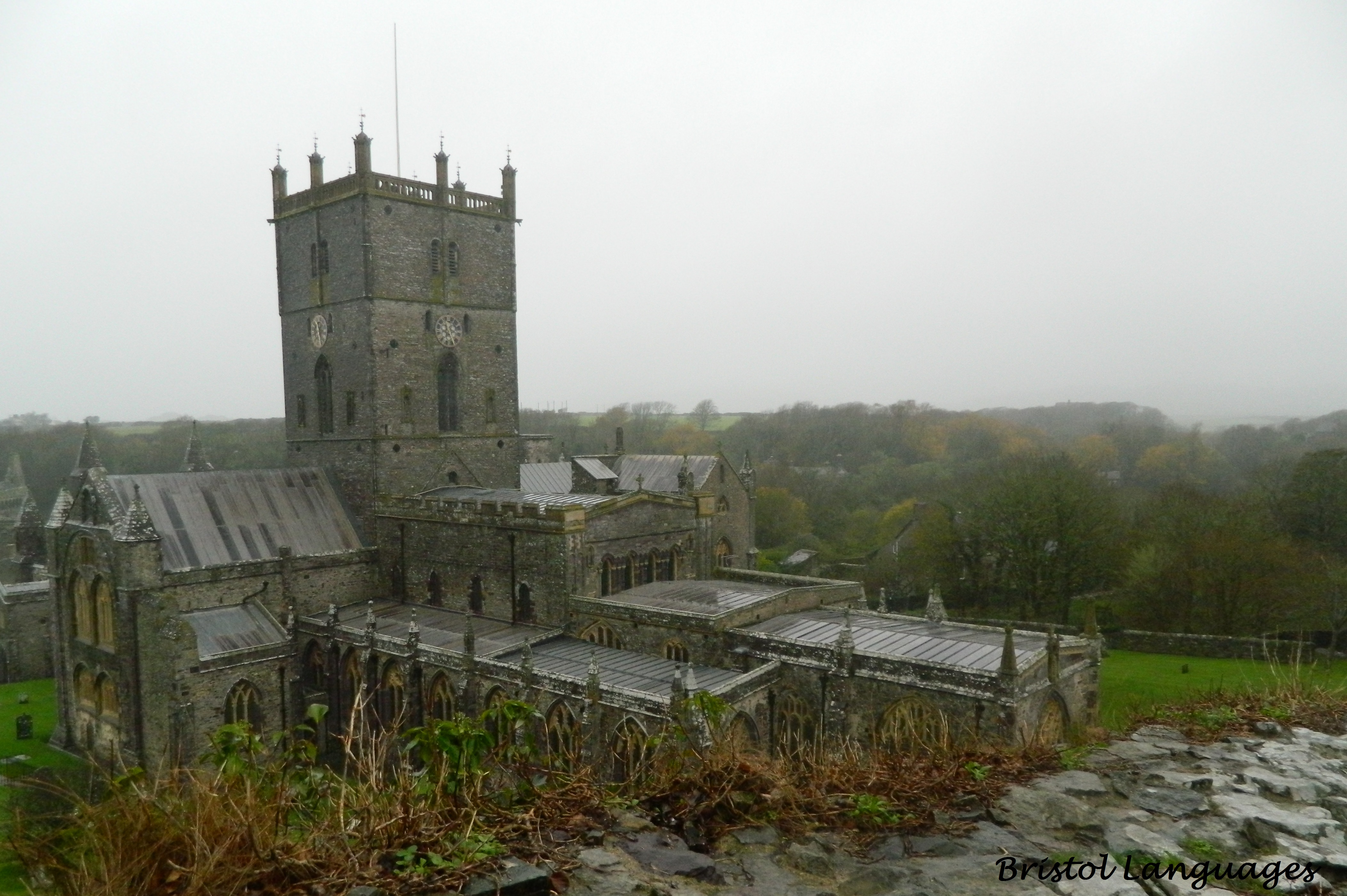
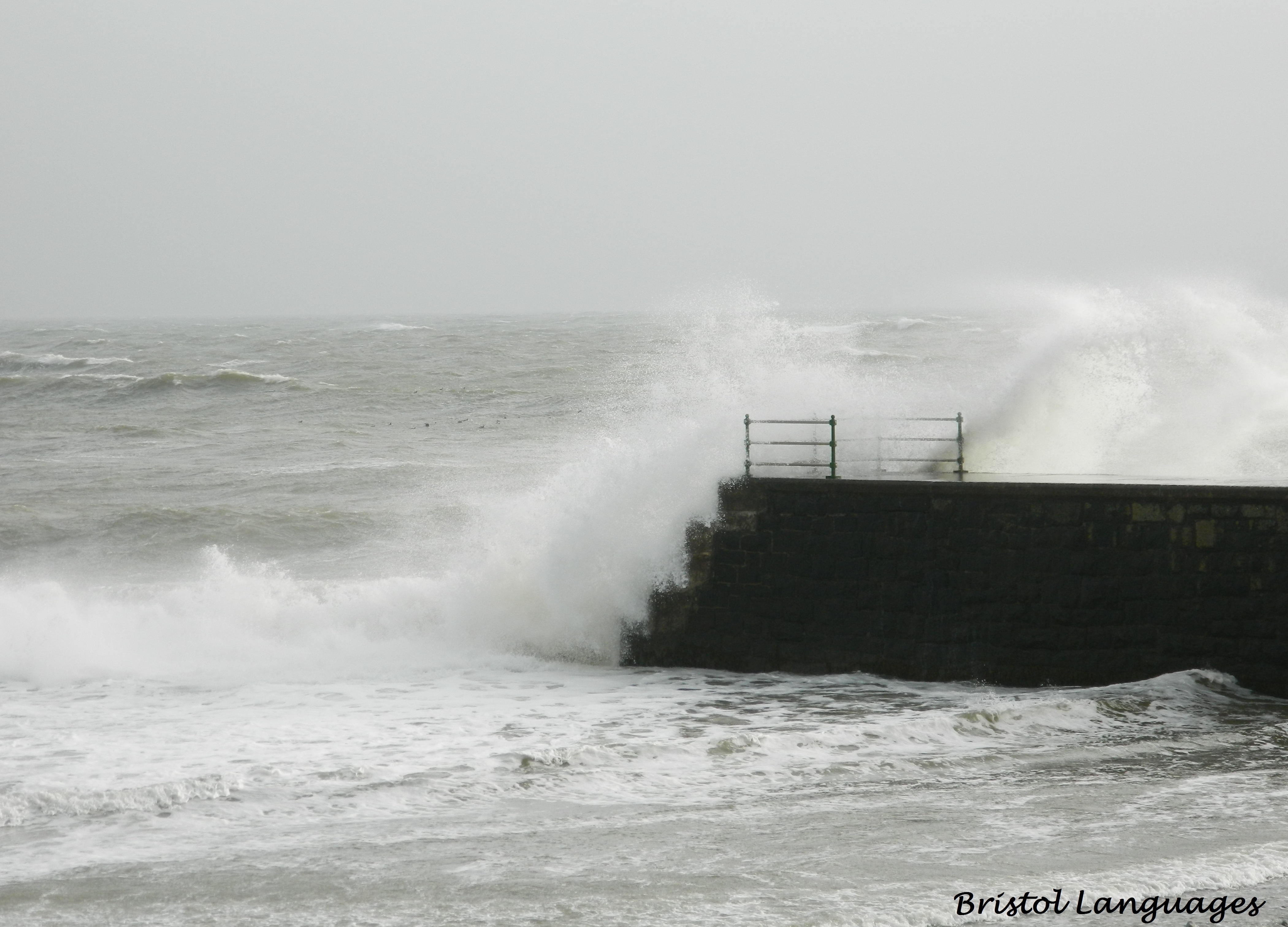
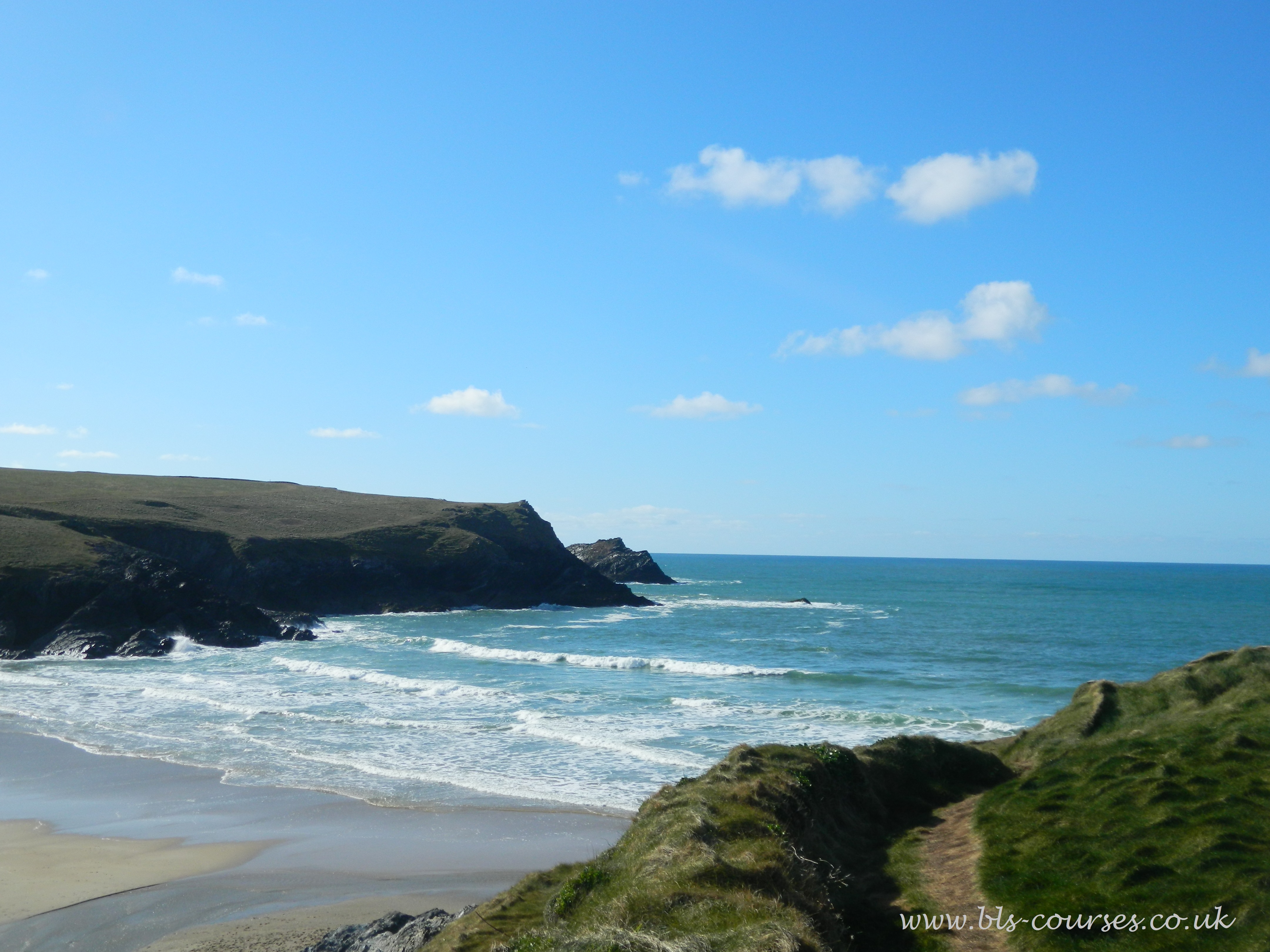
Late autumn in Wales is beautiful, it allows us to experience different weather conditions, from strong winds, pouring rain, unexpected morning storms to warm sunny spells. I was planning to travel around the Welsh coast and to have a very slow-paced, relaxing trip. But the reality was quite the opposite; I was rushing from one place to another soaking in the rain, fighting with strong winds and carrying too much of everything. But I could forget about all that within seconds when amazed by the calm steely sea or rough hazel-brown waves, mountains and hills covered in clouds, a whole pallet of colours on mountain slopes and astonishing architecture.
DSCN7509

DSCN7463

DSCN7490

DSCN7547

And my travels would not be the same without John Winterson Richards’s brilliantly written  “Xenophobe’s Guide to the Welsh”. I have not climbed Snowdon yet, neither can I pronounce “Penrhyndeudraeth” correctly, so I will definitely come back to this magical land of contrasts and passion.

Written by Kinga Macalla

Edited by Alicja Zajdel
December 1, 2014

Travelling Corner: Orchid Island. Taiwan.

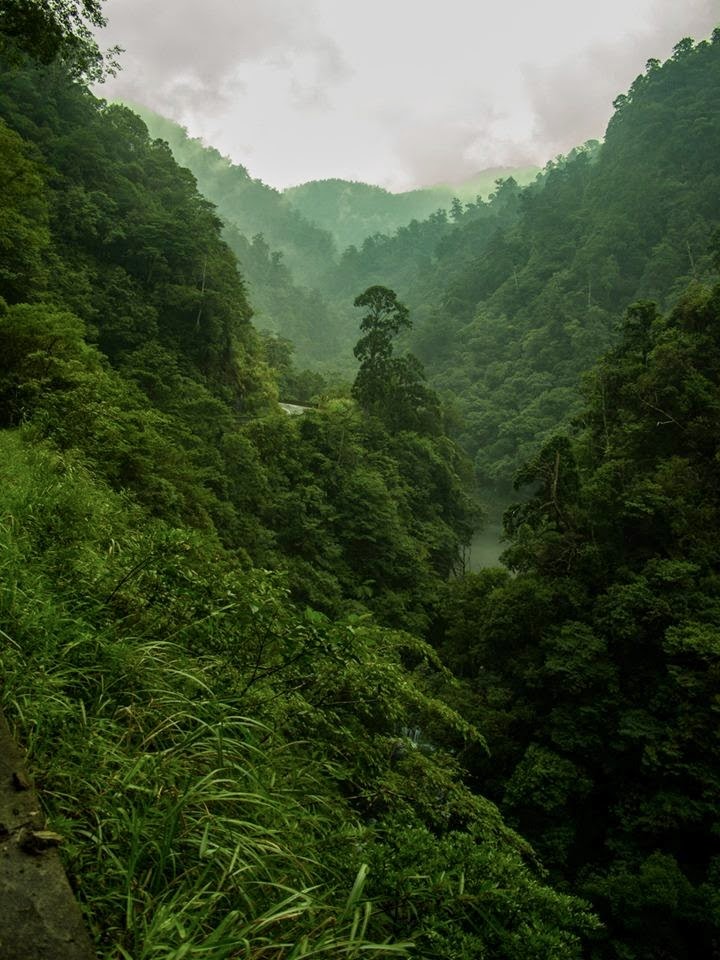
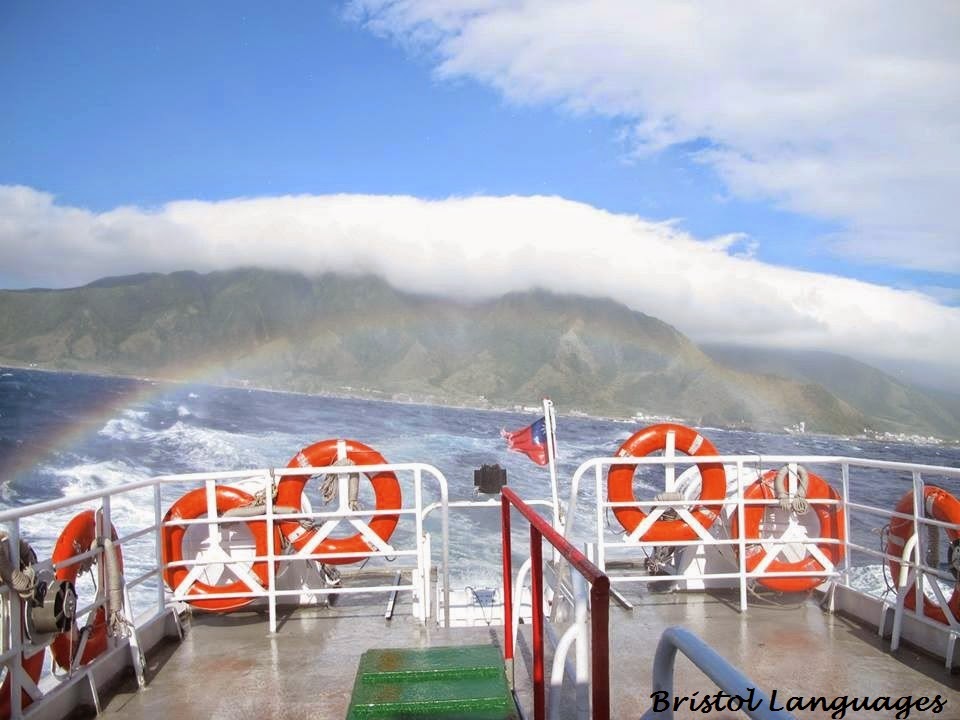
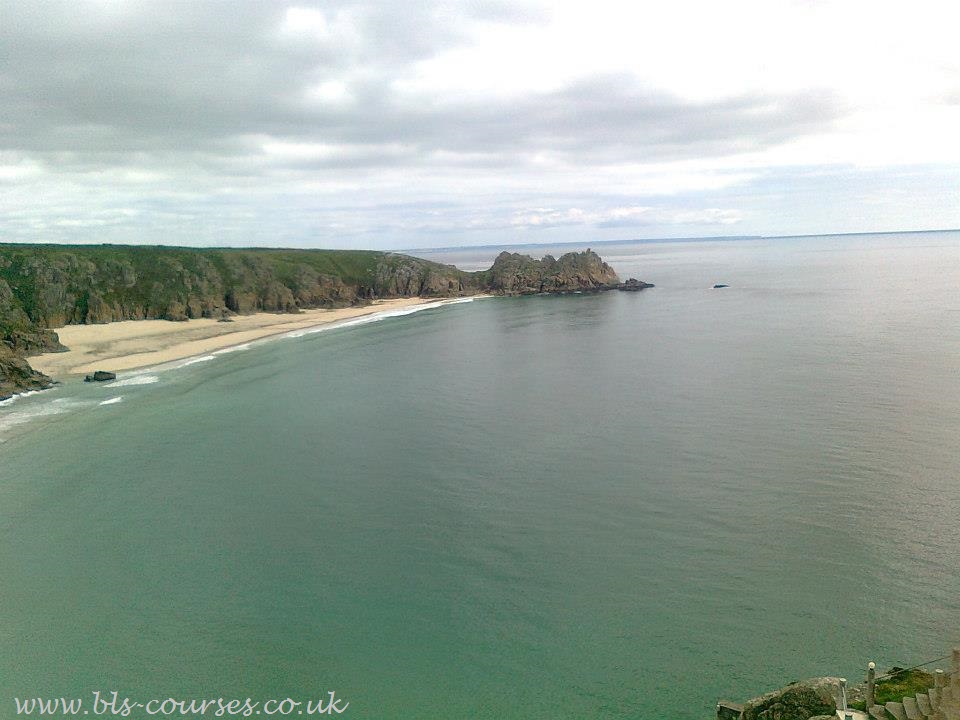
I stepped off the boat onto a land smothered with jade flora.  Our senses were immediately awaked by the shades of green sandwiched between the turquoise sea and the emerald sky.  My travelling companions and I looked up at the mountainous expanse before us.  Orchid Island lies about 30 kilometres off the south-east coast of Taiwan, and boasts eight mountains over 400 metres high, just three less than England does.  Quite impressive for an island that takes under three hours to circumnavigate on a 50cc scooter.

Taiwan 1
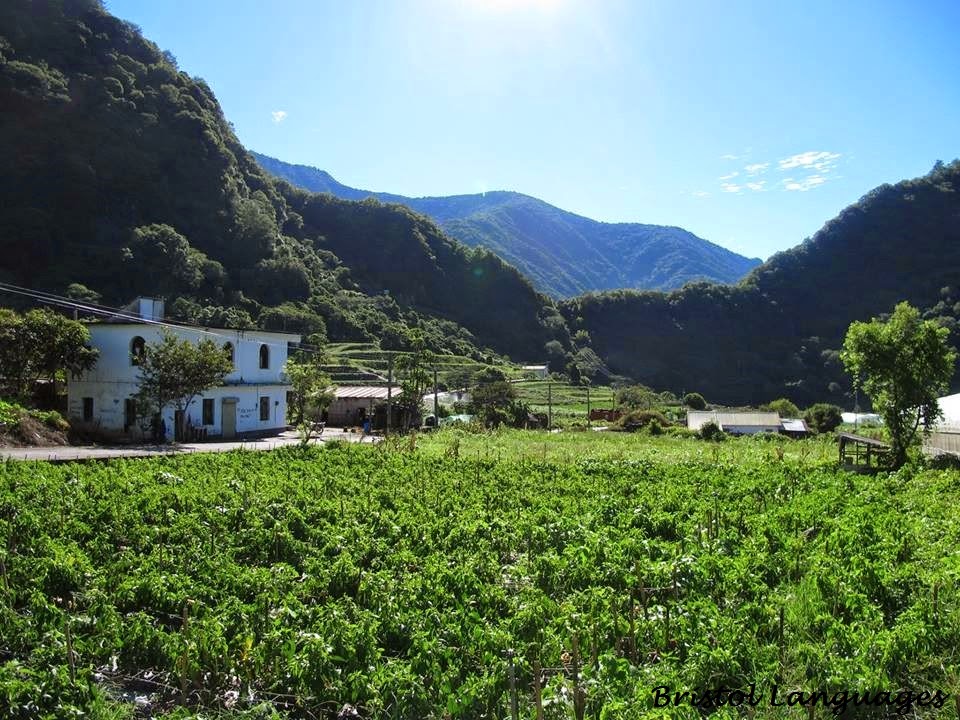
We were picked up by our host family and taken to our basic lodgings, which consisted of six comfortable mattresses on a living room floor with all the standard mod-cons of air-conditioning, heated water and nearby barbecue meat, all of which are standard throughout the rest of Taiwan.  £9 per night was more than reasonable.

Taiwan 2The island itself is mostly inhabited by one of Taiwan’s nine remaining aboriginal people, the Yami or Tao people.  A recently as 30 years ago, it wouldn’t have been odd to have seen some people walking around in loin clothes and spending their days adhering to their ancient tradition of fishing for Orchid Island’s famous flying fish as the aquatic creatures made their way from the equator up to Japan.  This delicious source of protein was, and still is, eaten in abundance during the migration season from March to June, and eaten in dried form throughout the rest of the year.  Sweet potatoes are the next most common food on the menu, with most of the vegetables having to be sent over from the Taiwanese mainland.  The Pacific hadn’t been living up to its name before we arrived, so one of the weekly food boats had been delayed for over two weeks, leaving the island without ketchup, bread or coffee during our time there!  No great loss.

Taiwan 4

The people themselves were such free spirits.  They had a good sense of humour and a beautiful way of looking at life.  When I mentioned the rainy weather (I’ve spent far to long in Britain, and have to include the whether in all conversations with people I’ve just met), she merely tutted and said that it’s like the heaven wants to cry but it couldn’t let it out.  The Yami had migrated from the northern-most island of The Philippines hundreds, if not thousands, of years ago, and shared some customs and language roots with other indigenous people form the archipelago to the south.

Taiwan 3

The island is covered with goats, walking up the most unbelievable of cliffs and protuberances.  It wasn’t rare to see goats, pig and dogs playing together in the middle of the one road that went around the island.  Palm trees only found on Orchid Island were just one type of the many plants that covered over 98% of the island.  We spent our days snorkelling, hiking, scooting around, eating or talking with the local people.

It was with sadness that we departed this verdant land.  Our hearts lifted when we were back on Taiwan’s mainland, as we were back in Kenting, a surfing paradise with copious amounts of delicious food and great beer.  We spent an exciting three days in Kenting, but that, as they say, is another story.
Written by Weiman Sun
Edited by Alicja Zajdel
Photos courtesy of Weiman Sun

Taiwan 5