Tag Archive: Travelling

June 22, 2016

Interview with Writer & Broadcaster Sophie Pierce

Sophie Pierce & Matt Newbury are the authors of “Wild Swimming Walks. Dartmoor and South Devon. 28 lake, river and beach days out.” The interview was conducted with Sophie Pierce.
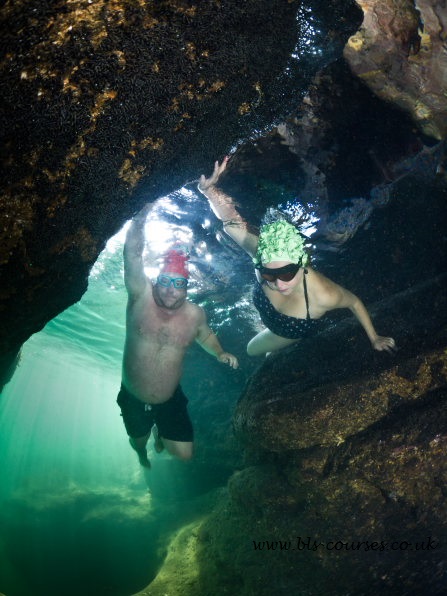
OLYMPUS DIGITAL CAMERA

1. How did you come up with the idea of writing a book on wild swimming and walking? Why Dartmoor and South Devon? Are these regions famous for their rivers, lakes and seafronts?
Matt and I have been friends for ages and both love swimming outdoors. Matt is born and bred in Devon, and lives by the sea in Torquay, while I live on Dartmoor with its many beautiful rivers and lakes. A few years ago we wrote our first book, about wild swimming in Torbay, and we wanted to do another book, but broaden it into walks as well. After all, you usually have to walk to the most stunning places! We just wanted to share the joy and fun of outdoor swimming, and show people how easy it was to have an adventure at home. Dartmoor and South Devon are where we live, and contain some of the most exciting and beautiful swimming spots in the world.

2. What were the most challenging and the most rewarding experiences in writing the book?
The most challenging aspect of the book was getting all the fine detail right, such as the distances, the map references, all the detailed information we have included, and being disciplined, taking notes as we researched the routes.   It was also a challenge to fit in the research as we both work full time.  Every weekend when the weather was good we were out there researching routes and trying to find new swims.   The field research though was also extremely rewarding, as well as being fun. We also got quite fit!
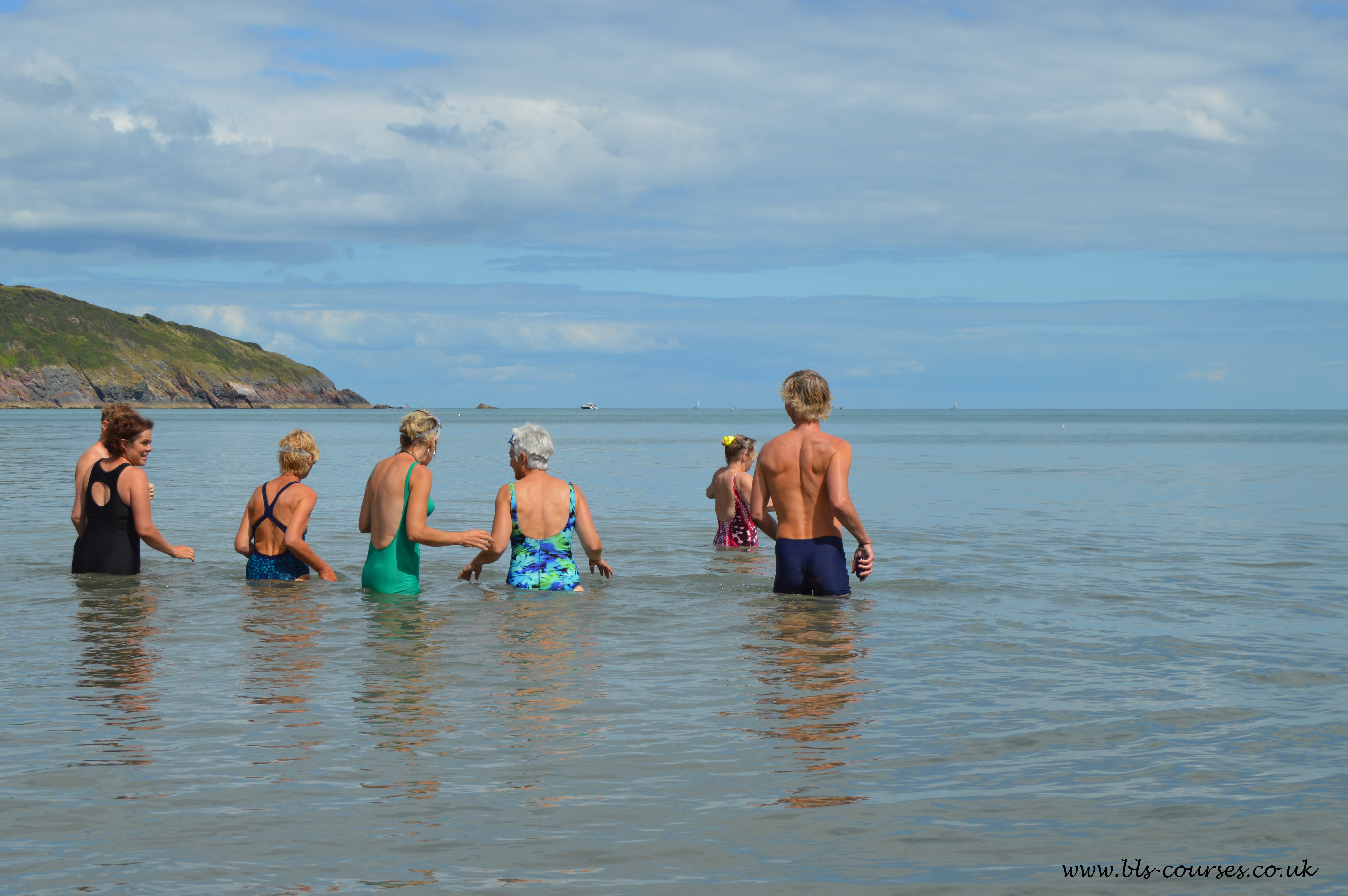
Mansands credit Aaron Kitts

3. Being a keen wild swimmer yourself, do you often meet many enthusiasts of wild swimming? Do you belong to a swimming club?
We have made lots of friends through wild swimming.  We meet up on the Devon Wild Swimming page on Facebook and if someone is going for a swim, they generally post the time and the place and people come along.  Generally, wild swimmers seem to be great fun, incredibly relaxed, friendly and non-judgemental. They are also great consumers of cake!

4. The photos in the book are so spontaneous and lively that the reader immediately wants to join you and jump into these wild waters. Why do you want to inspire people to follow your passion of wild swimming? Why is it so special?
We have just had so much fun, and also some truly unusual experiences swimming in natural waters that it’s simply about wanting to share that.   A friend of ours has a phrase “You never regret a swim” and another friend says that when you come out of the water “your factory settings are restored”. Swimming outdoors seems to give you a natural high.
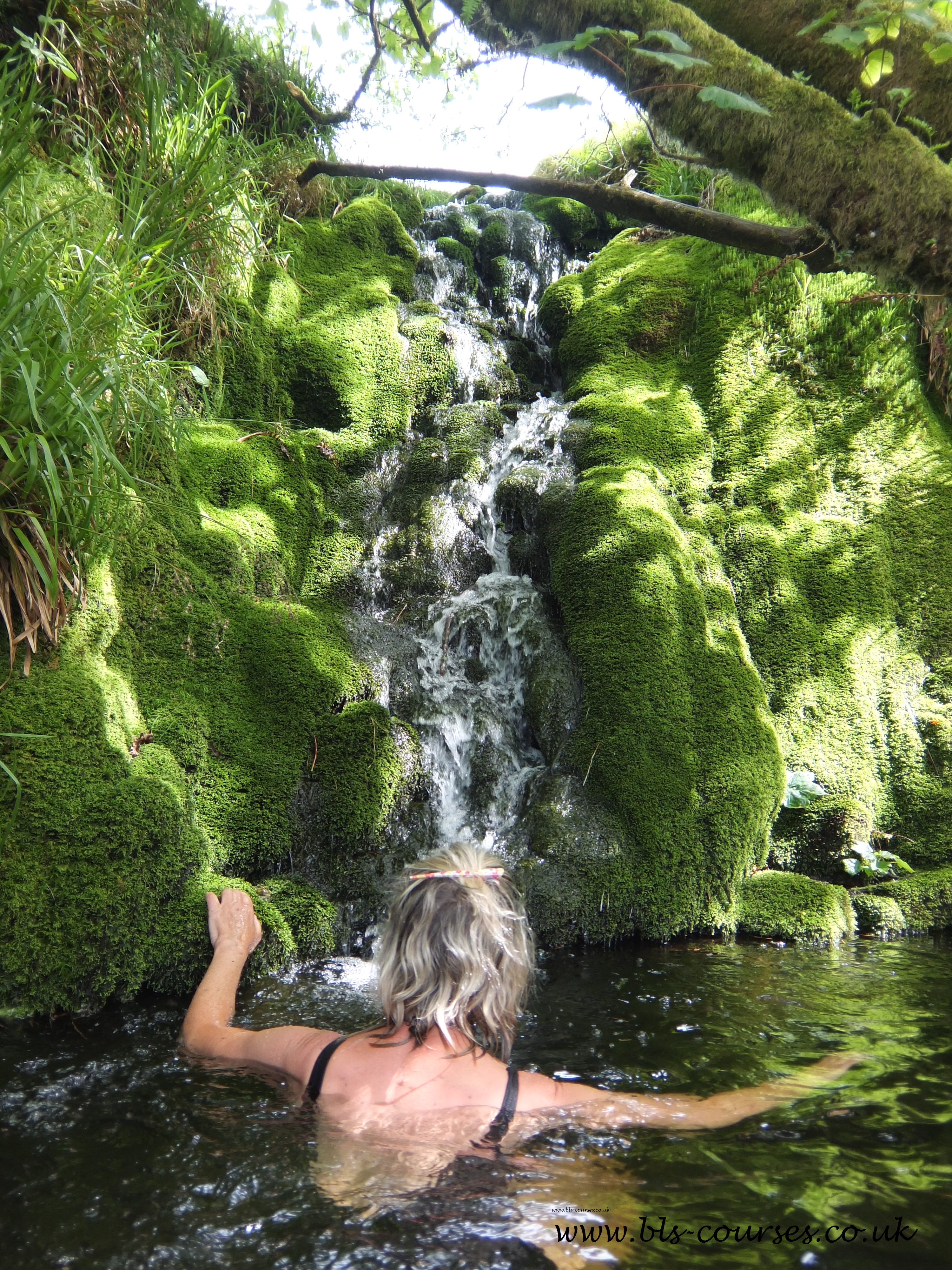
Shavercombe Waterfall credit Sophie Pierce

5. There are many references to local legends (quite dark, sometimes) in the book. How did you become familiar with them? Are they a natural part of the culture of Devon and Dartmoor, or did you come across them when reading books on these regions?
Bodies of water are often associated with legends, particularly on Dartmoor. Many of these legends go back hundreds of years into folklore and nobody really knows where they come from.  But in all cultures water is incredibly significant, it is necessary for life itself, it is used in rituals of course, baptisms etc., so it is not surprising that stories grow up around rivers, lakes and the sea.  Some of them we found out about through reading books, as there is a lot of literature about Dartmoor. Some we just found out about the traditional way – word of mouth.

6. What are your future plans? Do you have any projects you would like to work on?
Matt is working on a book about swims around the world, and is also thinking of working on a book about Cornwall. Sophie has started writing a novel set by the sea in South Devon.
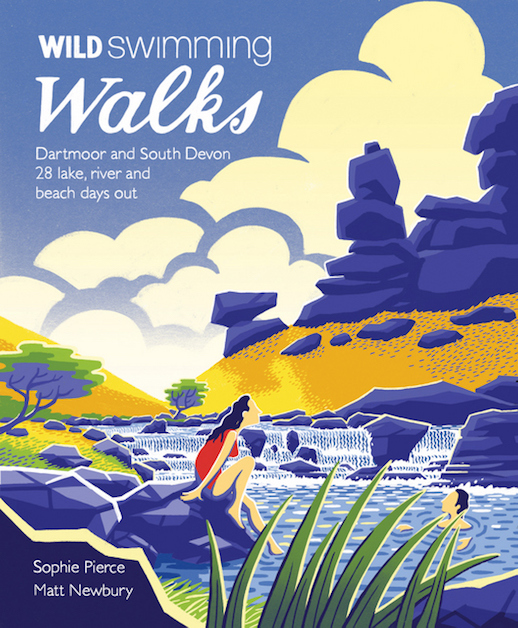
Wild swimming walks 4

Brilliant, thank you, we will follow your writing and travelling projects eagerly.

Interviewed by Bristol Language School  
Photos courtesy of Sophie Pierce
If you would like to purchase a copy of “ Wild Swimming Walks”, you can do so here.
June 8, 2016

Magazine Review: On Languages, Translation and Travelling

Every month we publish a book review on our blog, but this month I have decided to write about some magazines on languages, translation and travelling that I enjoy reading (and yes, I am an old-fashioned lady, as I only have paper versions of them!). They are all available for subscription in the UK and internationally, but some are only available through membership.

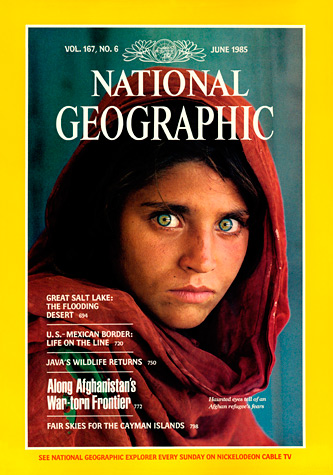
Travelling: National Geographic
A classic. I had to include the NG here. I love their photographs: beautiful, intriguing and fascinating. The content can feed any desire from scientific and factual to artistic, and it is all highly inspiring. Also in the perfect format and size for any lengthy commuting or travelling.

Magazine Review on lang trans travel--NG

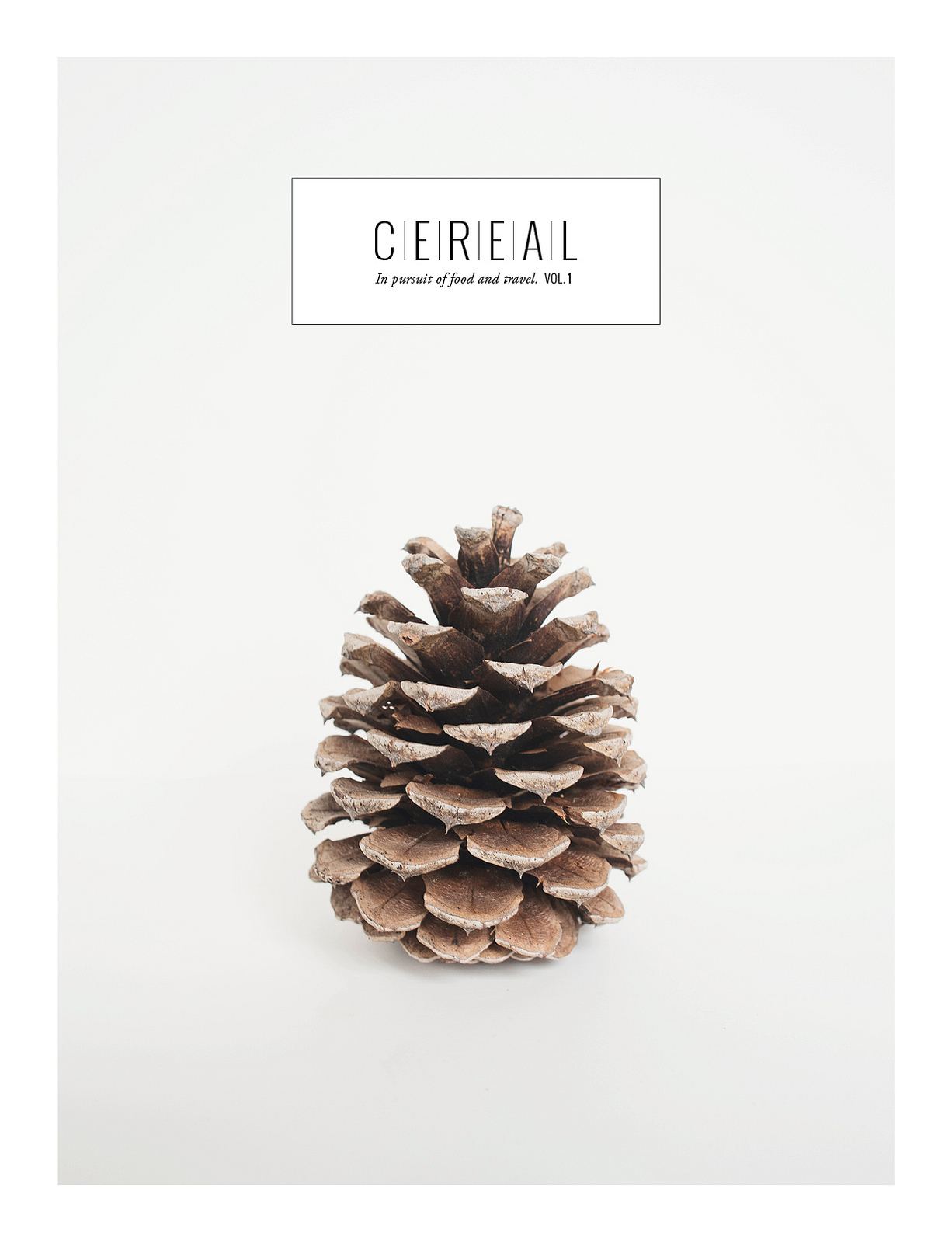
Travelling & Languages: Cereal
Elegant. Minimal. Exquisite. A very tasteful read. Bi-annual magazine.

Magazine Review on lang trans travel--Cereal

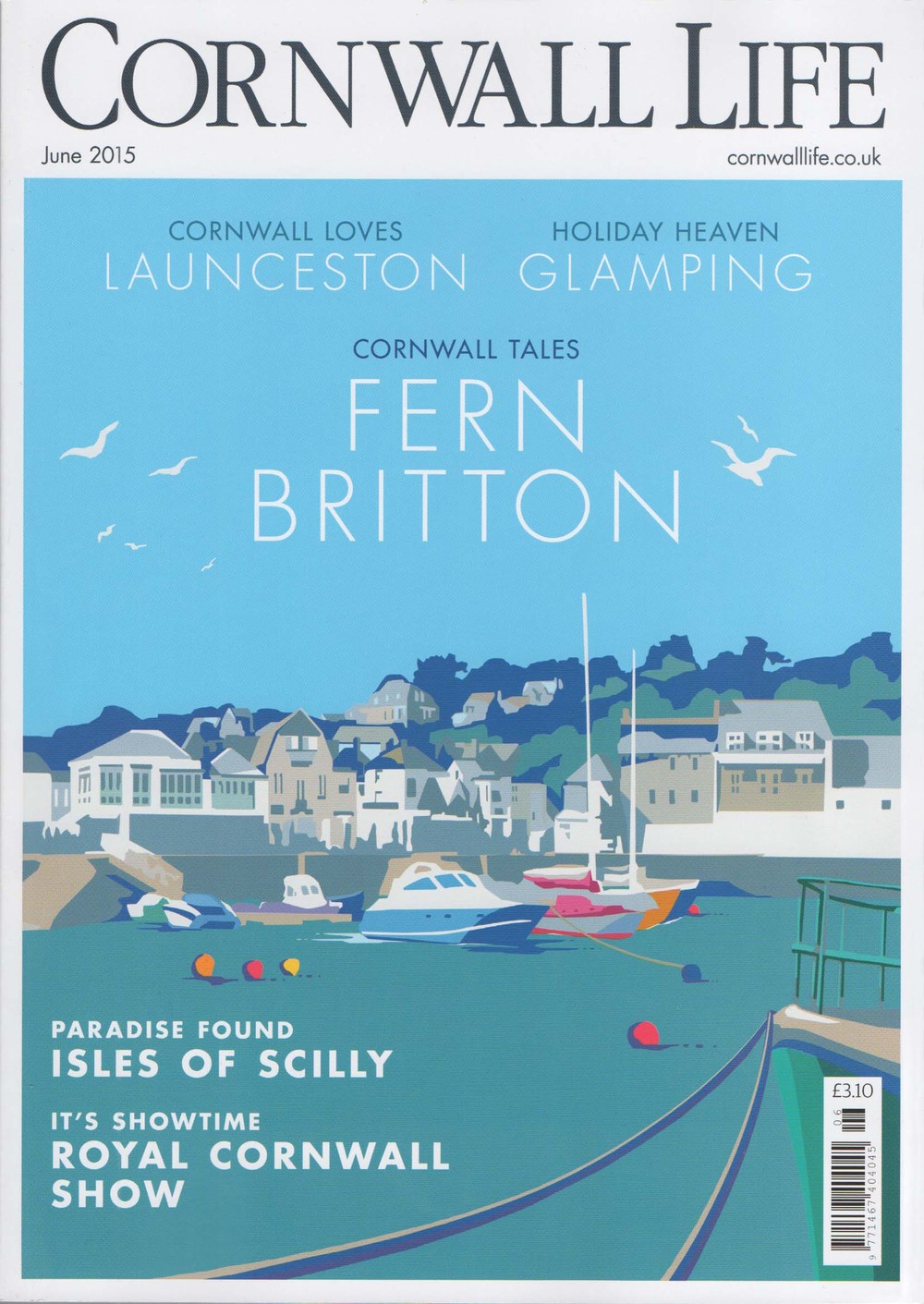
Travelling: Cornwall Life
Inspirational. With my heart soaked under the beauty of Cornwall, I inspire myself monthly by learning about new places to visit, stay, eat or relax.

Magazine Review on lang trans travel--Cornwall Life

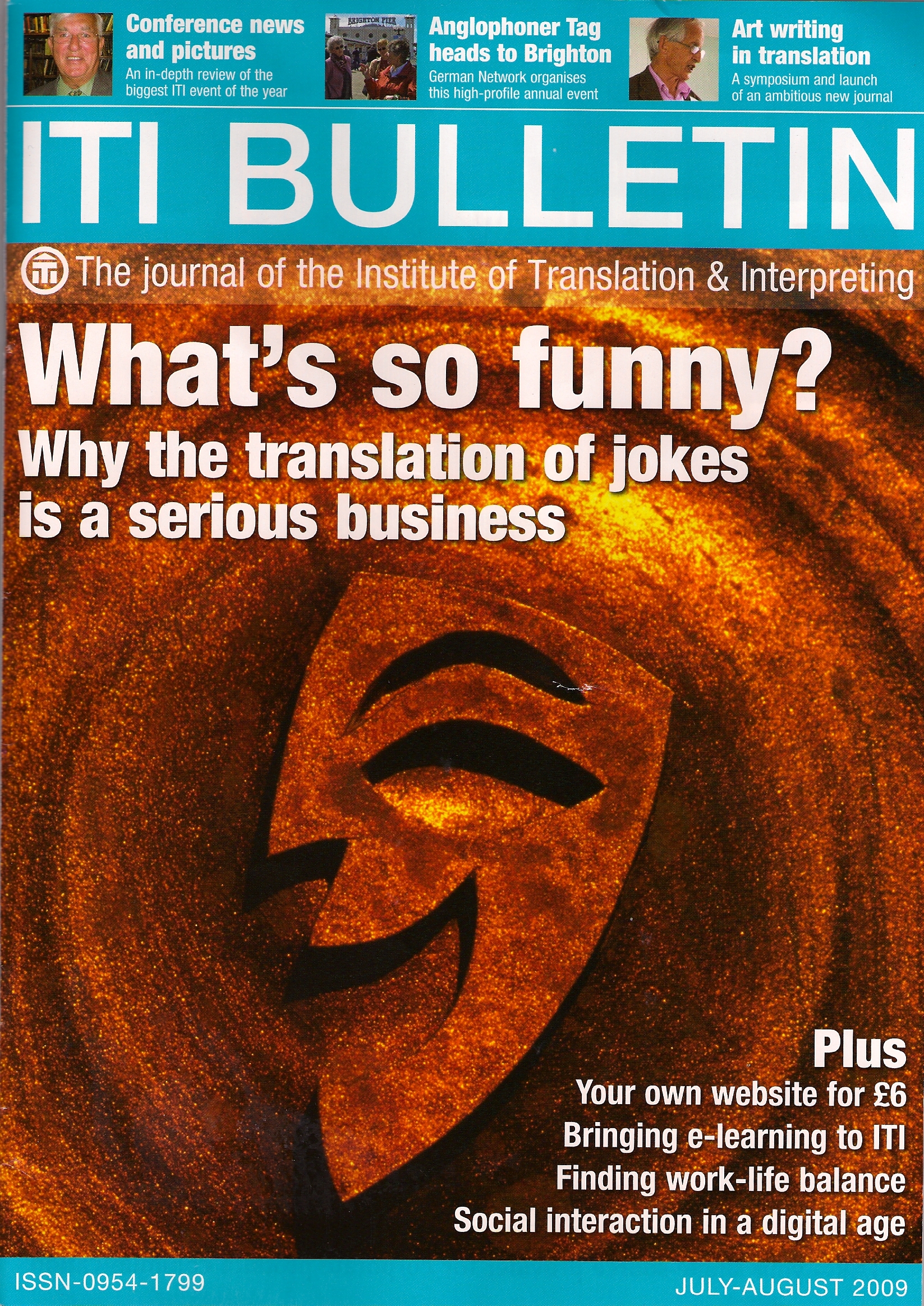
Translation: ITI Bulletin
Practical. When I decided to become a translator, I wanted to learn more about this profession and all the links led to this bi-monthly bulletin published by the Institute of Translation & Interpreting. It is highly informative, with good advice from fellow translators and a wide range of interesting topics (from marketing, finances, networking and website-building to events, workshops and recommended reading). Available only through membership.

Magazine Review on lang trans travel--ITI Bulletin

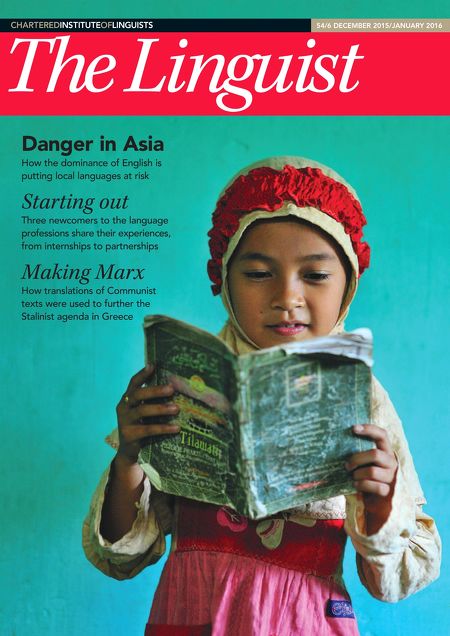
Translation & Languages: The Linguist
All-in-one. There is a good combination of translation-, interpreting-, language-, communication-, education-, linguistic-related topics. It is published bi-monthly by the Charted Institute of Linguists. Available through membership, subscription or online.

Magazine Review on lang trans travel--The Linguist

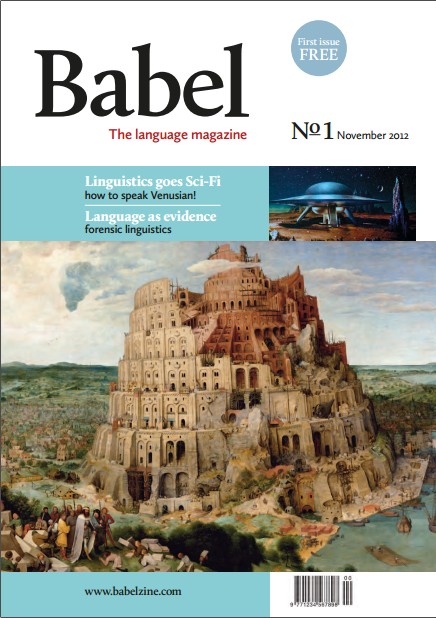
Languages: Babel Magazine
Curiosity. It is a real linguistic pleasure. I think I am often surprised by the articles published here; I mean positively surprised. I have been a subscriber from the very first issue and still enjoy every issue out of 4 published annually.

Magazine Review on lang trans travel--Babel

This is my list. Do you have any favourite magazines or journals on languages, translation and travelling? Please share your favourites in the comments below.

Written by Kinga Macalla

April 27, 2016

Interview with Family without Borders

1. We are very impressed by your motivation to prove that a nomadic lifestyle and having children don’t have to be mutually exclusive. What advice would you give to new parents who don’t want to give up on travelling?
Just don’t 😉 Just think about anything you would like to do with your life – without the stereotype “if I have kids I can’t…”. Think whether you really can’t. Having kids is a very good excuse for not doing things: going out, developing, taking care of yourself. In our couple we believe that your kids will be happy – if you are happy. Not when you sacrifice yourself to do this or not to do that. With us, it just so happened that what makes us happy – is travelling. So we wanted to check whether our kids liked it too. We took into account that they might not and we had in mind that we would come back home if they were unhappy. But what does a little kid need? To sleep, to eat and to have happy parents!

Family without borders 4

2. You’re a journalist, your husband works as a photographer. Are your travels professionally motivated or are they just for leisure? 
It started with pure family holiday happiness. The time together. Both my pregnancies were risky, both girls were born much too early and with both of them we spent long weeks in the hospital, at the beginning of their lives. Travelling was this “finally, our time together”, non-stop together, kids with mama and papa 24/7. But I am a journalist and my husband loves taking pictures – I was taking notes and he was taking pictures. In the beginning, our blog was just for the grandparents, but then it started to grow, got more popular, we started to have opportunities to publish some of the stories in travel magazines – and this just motivated us to collect notes and pictures in a more professional way.

3. Does travelling with children enhance your travelling experience? Do your daughters offer a different perspective of the places you visit?
Absolutely! Travelling is slower (because based on smaller feet or with little breaks here and there) but also more detailed. They also ask a lot of questions – which motivates me to find the answers. And they help us to get in touch with people immediately. Starting from talking about their names, age and amount of teeth, very quickly we can move on to serious, and also journalistic, topics.

4. Have you had to adapt your travels since the girls were born (for example in terms of safety)? Are there any places you chose not to visit because of this?
Actually, we only started seriously travelling with them. Before they were born, each of us, travelled a bit, separately but it was not far and not for long. What is worse about travelling with kids than without them? What can’t you do (if you would like to)? We do not party too much in the evenings (because we can’t leave them in the car, tent or hostel room alone), like we could at home, having their grandmother or our friends to help with it. And we don’t visit war zones or casinos. All the other things we do: travelling through mountains, visiting refugee camps, hitch-hiking on the yacht. We do believe that for kids everything can be interesting (not only so-called “family friendly” places). Even if it’s only interesting for the parents, they can talk to them about it.

5. In terms of language, how do you find bringing up your girls in a trilingual environment? Do you use any particular strategies? What are the main challenges?
We are a Polish-German couple and it was clear to us from the beginning that I was going to speak Polish with my kids and Tom, German. I can’t imagine not speaking my own language to them, the one I love and feel the best in. It would be artificial somehow. And because Tom and I speak English to each other, they also have passive knowledge of English. That’s what we thought, but during our visit to New Zealand, they also started to speak English. For them, the concept of languages is normal and clear: people in the world speak different languages. It is also easy in Berlin: in our kindergarten most of the kids are bi- or trilingual.
From our perspective: it was very important to make a separation: one person-one language. Tom can also speak Polish for example, but if he sometimes spoke  Polish to the girls, they would code it as German. For them: everything that papa says to them – is one language.

Family without borders 3

6. In your opinion, how does a multicultural childhood affect a child’s development?
I don’t know how it is with other kids, because I was never a mother of non-multicultural kids 😉 I can also look around and compare: they don’t have this “the Other” attitude. They know (because of their languages and because of travelling) that people can be very different and have different behaviours. That very poor people, who speak some strange Mayan language in Guatemala, might give them the best chocolate ever or that black kids in Vanuatu might be better at hide-and-seek. And that it all doesn’t matter and in most cases you do not need a language or even deep knowledge of some culture – you can just stay open, smiling and respectful – and you will be happy everywhere. My girls know that a “stranger” is in the first place a potential friend, not a danger.

Brilliant, thank you, we will follow your travelling projects eagerly.

Interviewed by Bristol Language School  
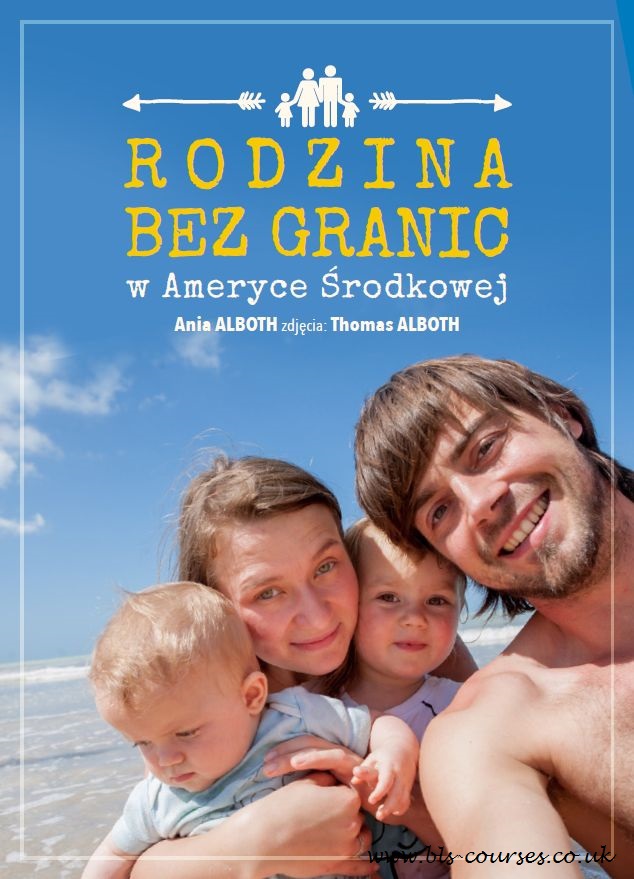
Photo courtesy of The Family Without Borders
To follow The Family’s travels and life visit their website and FB page.
If you would like to purchase a copy of “Rodzina bez granic”, you can do so here (from mid-May 2016).

June 14, 2014

Welcome to Bristol Languages!

Welcome to Bristol Languages, a blog run by language enthusiasts. We are linguists: translators, interpreters, language tutors, travellers, language learners and university students who decided to embark upon this fascinating journey of writing a blog, as we want to understand better the genius that each language represents (Humboldt) and explore the different world views that every language expresses (Sapir-Whorf).

We want to share with you our interests and by publishing here, we want to inform you about interesting language events and worth-reading books, give you practical learning tips and conduct interviews with passionate linguists.
We hope you will find our blog interesting. Enjoy reading!
(Bristol) Languages Enthusiasts
Pencils