September 27, 2017

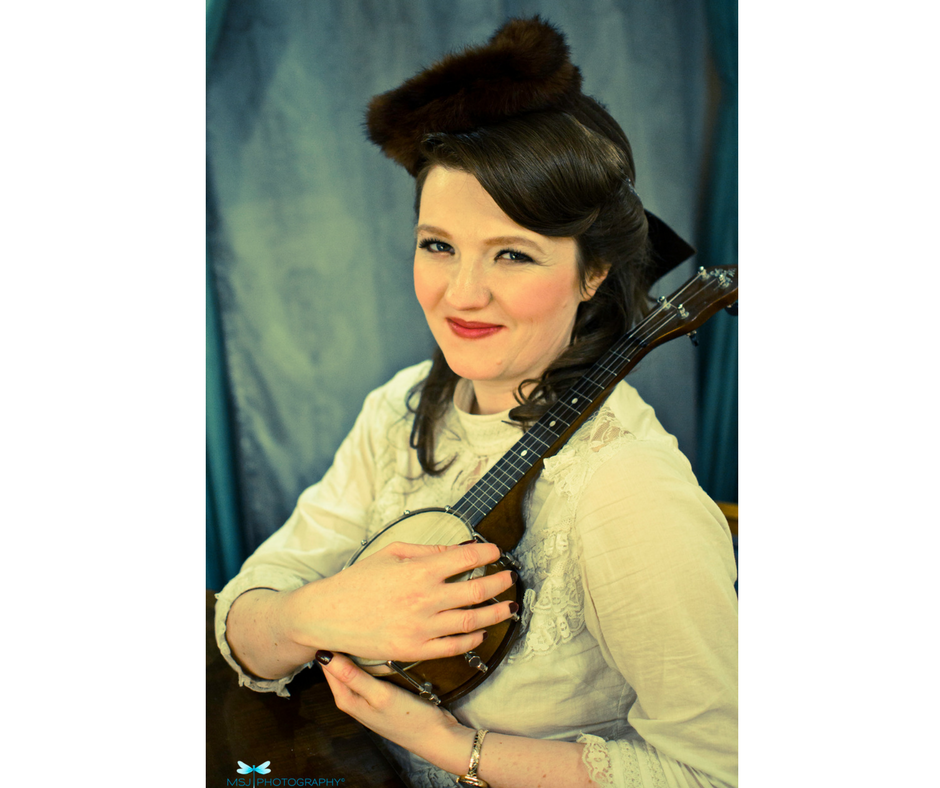
Interview with Polish & English Singer Katy Carr

Even though you only lived in Poland for the first few years of your life, this experience has obviously had a great impact on you. Do you think of yourself as Polish?

🙂 I am very proud to have Polish blood and so pleased that my Polish heritage has become a huge inspiration for my music and creativity. Poland and Polish people worldwide are my inspiration and I never want to be separated from them for such a long period ever again. I loved writing my albums Paszport and Polonia and I look forward to more Polish inspired musical projects.


In what ways, do you think this dual identity has enriched you? Are there any disadvantages?

🙂 I love being British and Polish and I see only happiness from being enriched by two nations. I have two sets of heritage to draw upon for my musical creativity and this only adds not only to the richness of my own life experience but also to my audiences. Sharing the wealth of knowledge and the friendship between Great Britain and Poland is my huge passion. I look forward to meeting many more people through my music in the forthcoming years.


You sing in both languages, but do you use Polish in your everyday life? Is it difficult to maintain it?

🙂 I love speaking in the Polish language. It is a beautiful yet very difficult language to master with 7 cases and many declensions. I still have a lot to learn! I speak to the Polish Veterans of WWII and the Siberian Survivors in Polish but also to the younger Polish generations who have either just arrived in the UK or who are making their lives here. I am fascinated by how strong and resilient the Polish community is and this only adds to my fascination and love of the Polish language and her history.
Listen to my song Wojtek for the two languages in harmony together 🙂 Official music video for Wojtek (the Soldier Bear) by Katy Carr – YouTube


Where did the idea of singing in Polish come from? Does it help you reconnect with your heritage?
🙂 I started my rediscovery of Poland through writing a song called Kommander’s Car about the infamous escape of Kazik Piechowski, Polish boy scout from Auschwitz on June 20th 1942. When I wrote my song, I was desperate to make links with my Polish heritage but it was very difficult to make a connection. It is only through my music that I came to gain access to the Polish People and Poland that I know today. I owe everything to my music and songs that helped me carve a route to discover and share the rich and diverse history of Poland which is a wonderful and glorious nation.
Listen to Kommander’s Car: 
20th June 1942 – 20th June 2017 marks Kazik’s 75th Anniversary of his escape.


You tour both in the UK and in Poland. Do you notice a difference between the audiences? Do you have a preference? 😉
🙂 I love performing to all audiences worldwide. Recently I have visited the countries that gave refuge to the exiled Polish community after WWII. Poland was the only Allied nation to fall behind the Iron Curtain. Poles in these circumstances were not given access to Poland and were known as ‘Aliens’ – exempt from ever entering Poland again – mainly because Poland had been given over to Totalitarian Communist Rule after the Yalta Conference meeting of Hitler, Stalin and Churchill in February 1945- known as the Western Betrayal of Poland. The outcomes of the conference were kept secret but it meant many hundreds of thousands of Allied Polish military troops were left without homes after WWII. I named my recent album after the brave people of Polonia – the Latin name for Poland and dedicated it to friendship between Polish pianist and composer (later President of Poland 1919) Ignacy Paderewski and Sir Edward Elgar – the English composer who wrote a Symphonic Prelude called ‘Polonia’ dedicated to raising money for the Poles who were without a country in 1915. (Poland was erased off the map of Europe between 1795 and 1918).


We are very impressed with your knowledge of Polish history! Would you say that being away from your country of origin has actually made you more patriotic and interested in the nation’s past?
🙂 History does matter as learning about it can hopefully help future generations learn from the mistakes of the past. Unfortunately history does repeat itself and we as human beings on this little water planet continue to engage in wars and gross cruelty and suffering today which in my opinion is completely unacceptable especially during the 21st Century, which is supposed to be the age of Light. I weep at the idea that children and families are starving from hunger everyday or who are enslaved in cruelty across the planet. I would say that learning about Poland’s past has encouraged me to make connections with other communities and nations to help people worldwide raise their confidence and realise their dreams. My dream is to make people happy through my music and I hope I continue to do so for many years to come.
Interviewed by Alicja Zajdel & Bristol Language School


September 20, 2017

Easy Ways to Improve Your Reading Skills in a Foreign Language

Reading is a key skill to develop when you are learning a new language.  Reading in another language makes us comfortable with the words and grammar used in that language.  Seeing words written down helps us remember them.  You can improve your reading and understanding skills – and your writing and speaking skills if you emulate what you read – by reading regularly in your new language.  There are also ways to make your reading more effective.  We will explore a few of these in this blog post.

Quality or Quantity?

If you read for pleasure and you read often, this is known as ‘extensive reading’. You read a lot and want to enjoy the story.  Usually people read for pleasure in their mother tongue, and this reading is radically different from the reading exercises found in foreign language textbooks.  In a textbook, you read short texts, often extracts from a longer text, and you study them in depth to try and understand every word.  This is ‘intensive reading’.  Both extensive and intensive reading are useful and help you address different areas of language learning.  But reading newspapers, novels, magazine articles, recipes – anything you can get your hands on – helps you familiarise yourself with the natural way of writing in that language and will improve your fluency in the language.  This is different from what you get in a textbook.

Don’t panic!

In our mother tongue, we use “micro-skills” to help us read, such as skim reading to get the gist of a passage, scanning through a long document to find specific information, reading quickly if it is for enjoyment or reading every word slowly and carefully when reading an important document.  Studies show that we abandon most of these reading skills we have developed in our mother tongue when reading in a foreign language, and focus on trying to understand every word.  This means that when we come across unknown words, we get frustrated because we don’t understand.

Instead, we should use the same skills we have gained in our first language – and not be afraid of not understanding every word.  There are times when you don’t know a word in a text you are reading in your mother tongue, but you don’t let it spoil your enjoyment of the text as a whole – you just move on.  If it is important to the general understanding of the text, you might look it up, or you might try to work out the meaning from the context.  These same skills can be used when reading in a new language.  The important skill is reading the text as a whole and not stopping to focus on something difficult unless it is absolutely necessary – because you can only get an understanding of text as a whole when you have read the whole thing!  You will also want to read more and learn more if you enjoy reading as an activity – otherwise you won’t want to do it.  Not understanding a word now does not mean you will never understand it, so just accept that you do not know it now and move on.

Working it out

There are ways to work out the meaning of a word you are stuck on, or you can look it up later.  Here are a few different ways of dealing with a word you don’t know:

  • See if the word looks in any way familiar. It may be a cognate with a word in your language and so you can work out the meaning.
  • Read the sentence several times. Using the context of the sentence and the wider context of the story, try to guess the meaning of the word.
  • Make a note of the word and check its meaning later.
  • Sometimes, you might find a verb that you recognise but not know the meaning of the specific conjugation (e.g. hablar, hablarĂĄn, hablase in Spanish). If you can still understand the gist of the sentence, it is ok to carry on reading and look the conjugation up later.
  • Sometimes, there will be words that keep coming up. If they are essential to your understanding then it is ok to look them up, but if you do this very frequently it will interrupt the flow of your reading.

(Source: http://www.iwillteachyoualanguage.com/reading-in-a-foreign-language/)

 Stick to what you know

If you are learning to read in another language, it can be helpful to read things that you are already familiar with in your own language.  You can read children’s books or novels you have read before and know the story of.  If you are interested in reading news articles, there are some websites that have the same article in several language versions (such as CafĂ© Babel) – so you can read your native language version first and then read the same thing in your new language.  This means you can work out things you don’t immediately recognise in the new language because you already know what the article is about.  This will help you develop your understanding and improve your vocabulary.

Resources

There are many websites that list newspapers in other languages, specially selected for learners of that language.  You can find these by searching.  You can also find some foreign language newspapers in your local library.  Finding novels and short stories online might be more difficult, but you can borrow these from most libraries or buy them from bookshops or online booksellers.

Happy reading! Bonne lecture! Buona lettura! Veel leesplezier! QuĂ© disfrutĂ©is de la lectura! MiƂej lektury! Wir wĂŒnschen Ihnen eine gute LektĂŒre!

Written by Suzannah Young
September 13, 2017

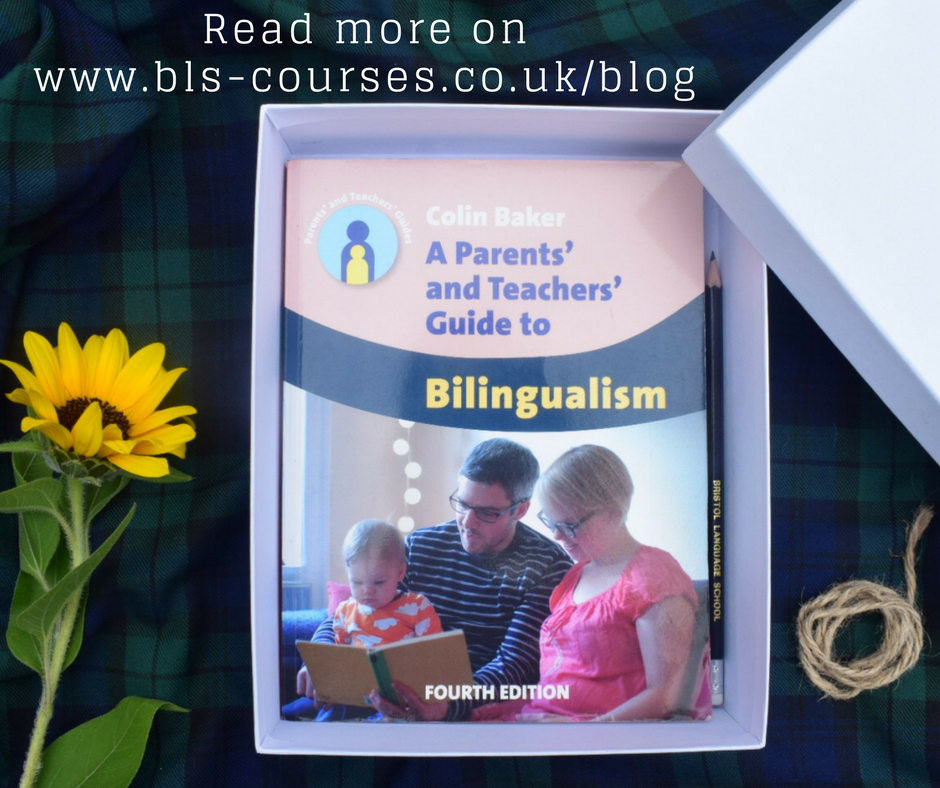
Book review: A Parents’ and Teachers’ Guide to Bilingualism by Colin Baker

“Children are born to become bilinguals and multilinguals.” Colin Baker

This is a bible for any parent, teacher or professional dealing with bilingualism. The book is organised in a question-answer style and also contains some recommendations on further reading. There is no straightforward answer to some of the questions posed; however, the author explains his reasoning and carefully provides advice on the unanswerable questions. Personally, I like the fact that the children’s interests are always put first in this book, and this approach to bilingualism is more relaxed, less strict and gives some room for your child’s own language needs. The guide is divided into 7 sections: Family Questions, Language Development Questions, Questions about Problems, Reading and Writing Questions, Education Questions, Concluding Questions and Glossary. I wouldn’t want to provide any answers here, as I think everybody will look into different topics or queries within the book, but below you will find some examples of the most important questions (in my humble opinion!):

What are the advantages of my child becoming bilingual?

What is the ‘one person – one language’ (OPOL) approach? Is it effective?

How important is it that the child’s two languages are practised and supported outside the home?

What are the most important factors in raising a bilingual child?

Will my child become equally fluent in two languages?

What are the disadvantages of my child becoming bilingual?

My child refuses to use one of his/her languages. What should I do?

How should I help my child to read and write in both languages?

Should my child go to a bilingual school?

What should I look out for in choosing a school for my bilingual child?

Is bilingualism a natural right for any individual?

Overall, I highly recommend A Parents’ and Teachers’ Guide to Bilingualism by Colin Baker. If you’re a bilingual parent, what books or guides would you recommend? Please share your recommendations in the comments below.

Written by Kinga Macalla

September 6, 2017

Learning a Language: Learn German with BLS online & FREE!

As you remember, we introduced a new series of blog posts (see Spanish & French) where we teach you some useful phrases in different languages. Sounds amazing? And it’s GERMAN today!

Are you planning your ski holiday in Switzerland or Austria? Do you travel frequently to Berlin? Do you dream of exploring German-speaking Namibia in Africa? If so, we would like you to taste & learn some essential German first. Below you’ll find a list of useful phrases in German (greetings, polite phrases, closed question words, numerals and simple questions & sentences). We also video recorded Victoria, our German tutor, to help you with reading, pronunciation and accent (also available on YouTube). We hope you enjoy this series and that you’ll come and learn German with us! Good luck!

Which language would like you like to learn next? Let us know in the comments below.

Written by Kinga Macalla

August 30, 2017

Travelling Corner: Greetings from Costa Rica! (photo-post)

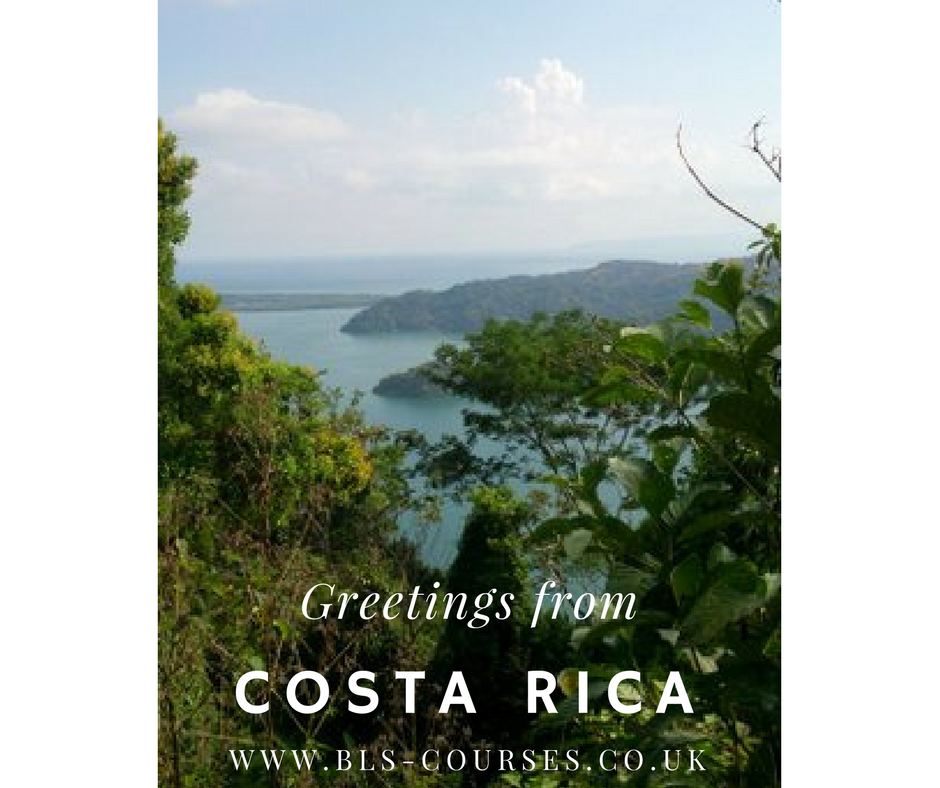
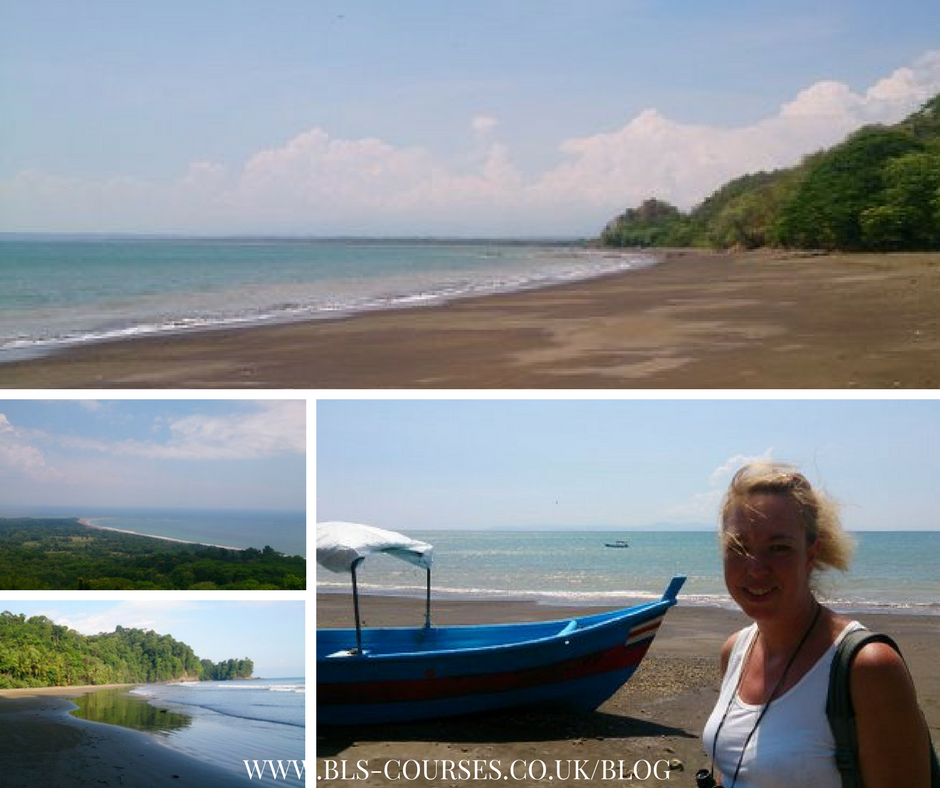
Greetings from Costa Rica! Costa Rica is a beautiful place on our planet Earth. Our school’s German tutor and manager, Victoria has visited this breathtaking land on many occasions and now she’s sharing her photos from her most recent trip on our blog. Enjoy the photos!

Photos courtesy of Victoria Holderied-Milis

August 23, 2017

Travelling Corner: Paradise Island in Portugal

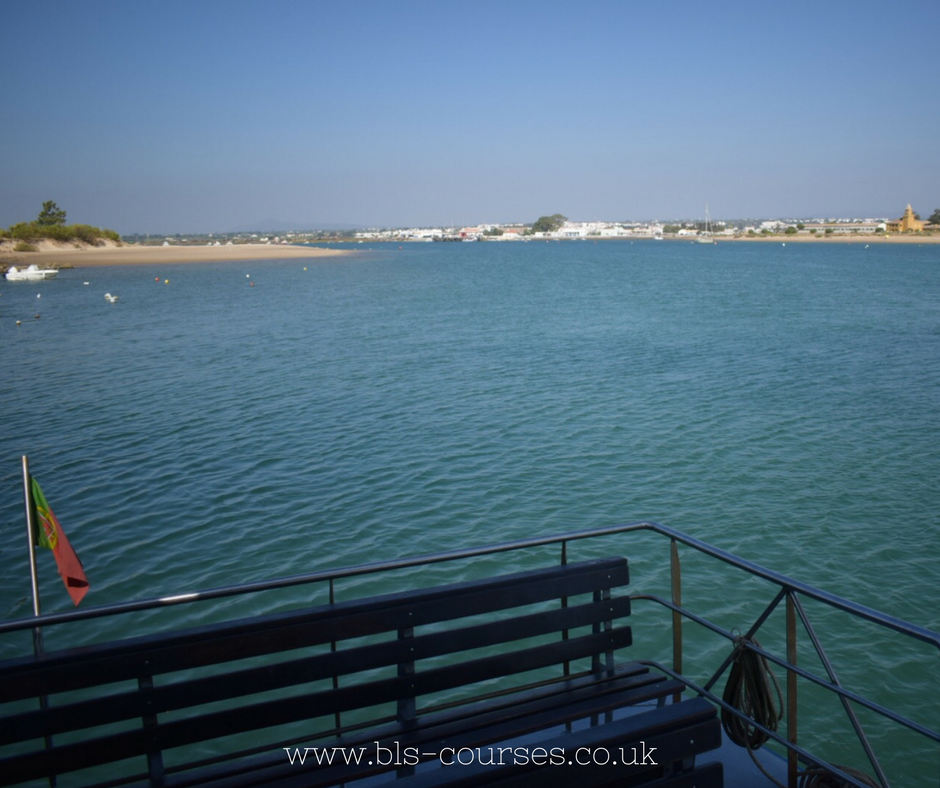
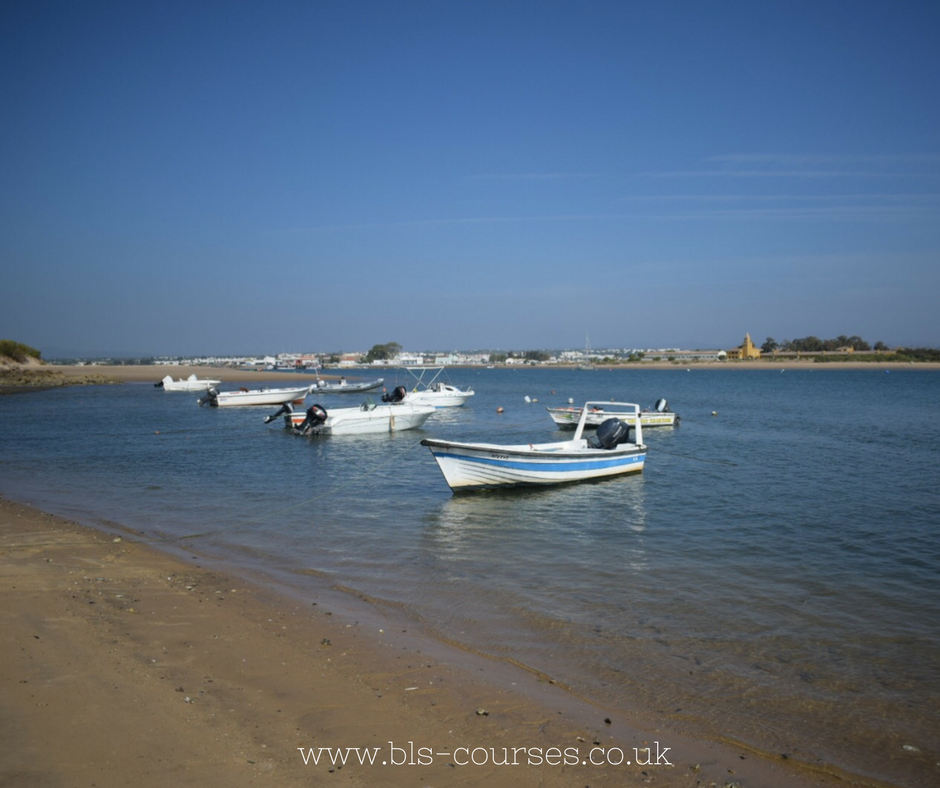
I’ve visited the island Ilha de Tavira in the south of Portugal many times and its beauty is breath-taking. It’s a tiny island; there are a few houses, a large campsite, no cars (except a couple of tractors) and a long beautiful beach.

Beach

The beach is amazing! You can go for long walks (there is a nudist section further away… I’m just saying
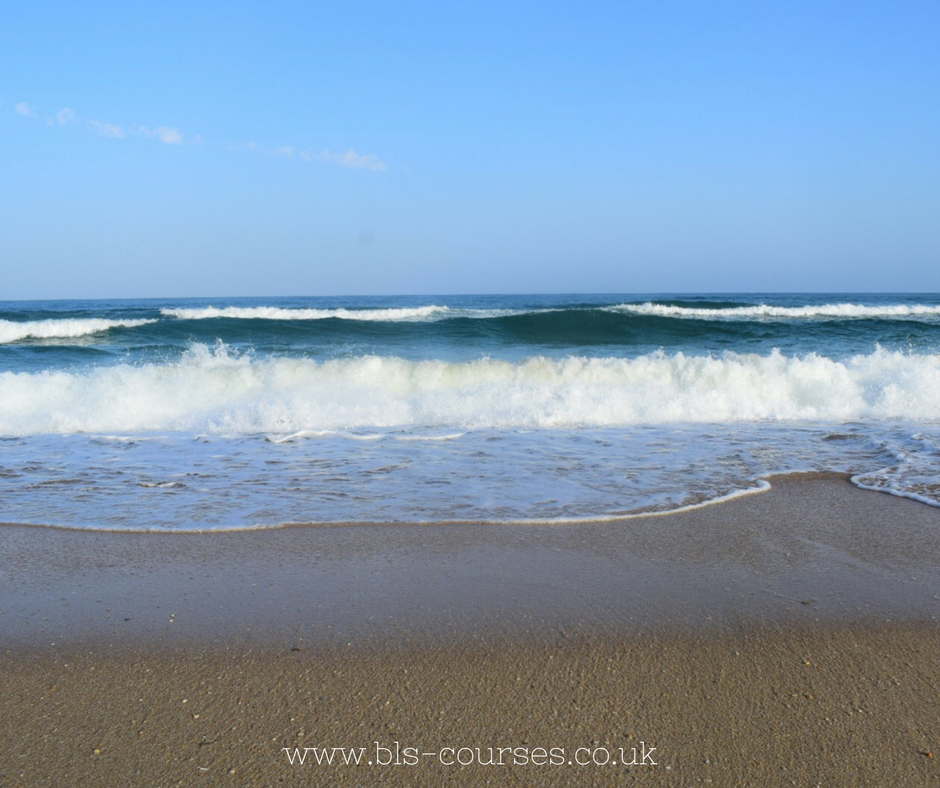
 ;), go swimming in the wild ocean waves or have a bit of a rest under the (rentable) beach umbrellas. On the other side, there is a calmer shore which might be more suitable for the little ones.

Campsite

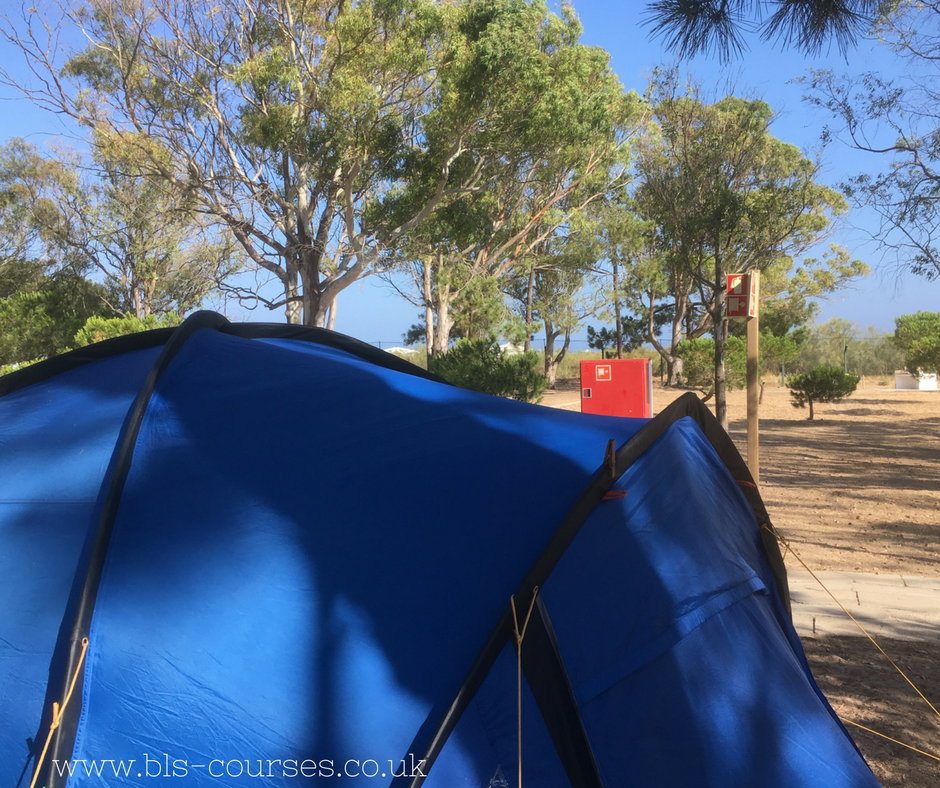
As you know, camping is my favourite, so I was very happy to camp on Ilha de Tavira. The campsite is big and very clean, with many toilet facilities (cold water is free), a shop and a bar, free Internet (near the reception area) and a small playground. And you can listen to the waves & cicadas and see the starts at night 🙂

Boats

There are regular boat services from the mainland and it takes around 20 minutes to get to the island from Tavira. You could also plan a little trip to the other islands, the Ria Formosa Natural Park or to go diving.

Which is your favourite Portuguese island? Share your recommendations in the comments below.

Written by Kinga Macalla

August 16, 2017

Travelling Corner: 5 Ideas for Long-Distance Walks in Bristol (Part 2)

David Bathrust writes ‘[d]espite the increasingly sophisticated range of leisure pursuits and interests available to us, walking still enjoys huge popularity as a form of recreation’ and I myself cannot think of a better free time activity. Fortunately, Bristol has many beautiful parks and woods to explore and below are my favourite big green areas.

Durdham Down

Walk, jog, have a picnic, read a book, fly a kite, play football… and yet it is rarely crowded. Amazing views of Clifton Suspension Bridge. Top of Whiteladies Road, Bristol.

Ashton Court Estate & Leigh Woods

Ashton Court: Deer and plenty of open space. Across the Suspension Bridge, follow Bridge Road.

Leigh Woods: Beautiful tree sanctuary. Across the Suspension Bridge, off North Road.

Blaise Castle Estate

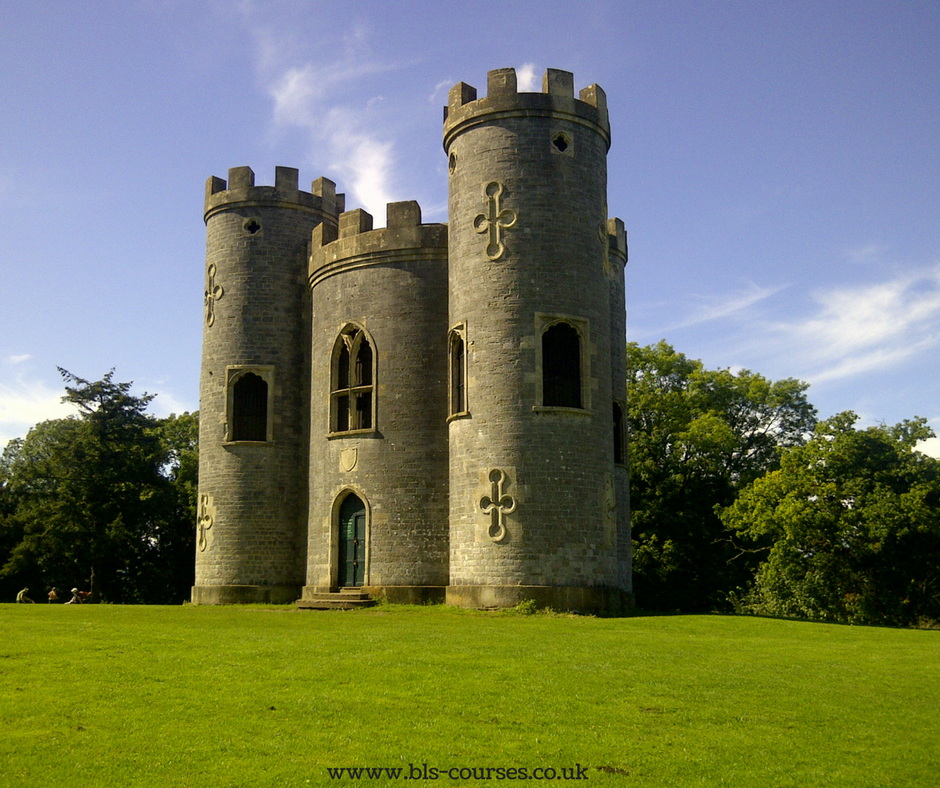
Many simple and more advanced pathways, perfect for a picnic, too. Coombe Dingle, off The Dingle Road.

The Docks

City Walk with beautiful river views. Steep walk down from Clifton Village (Granby Hill), walking available on both sides of the river.

Lamplighter’s Walk

A green pathway by the river with picturesque views of the village of Pill. It starts near the pub The Lamplighter’s Pub, behind the train station in Shirehampton.

Do you have any favourite parks/woods in Bristol? Please share your favourites in the comments below.

Written by Kinga Macalla

August 9, 2017

Travelling Corner: Why not Sochi?

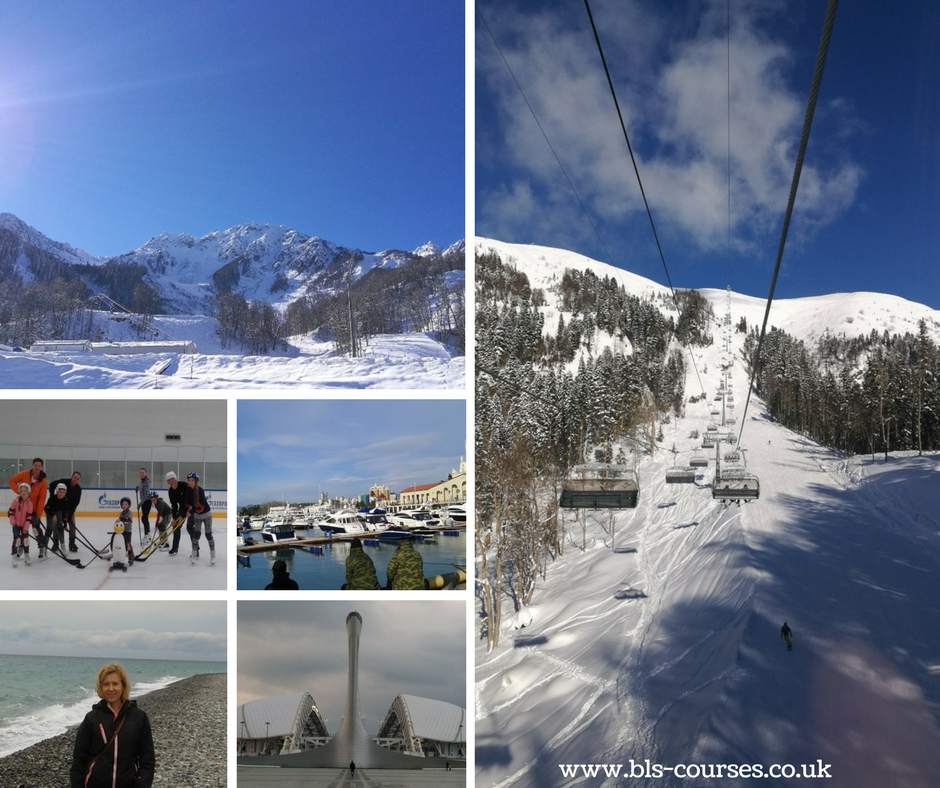
Where else in the world could you ski up in the mountains in the morning and swim in the beautiful Black Sea in the afternoon, all on the same day!

It all happens here in the most southern corner of unbounded Russia: Sochi, or the southern capital as they call it; the place which contradicts many stereotypes formed about Russia. One of them is that Russian winters are freezing. Really? It is February and it is +18°c. Sochi is surrounded by the Caucasus Mountains on the one side and the Black Sea on the other so it has a subtropical climate. It is humid and warm all year round but if you feel like cooling down, a 40 minute drive into the mountains will take you up to Krasnaya Polyana ( ĐšŃ€Đ°ŃĐœĐ°Ń ĐŸĐŸĐ»ŃĐœĐ°) – a world class Ski & Mountain Resort which consists of 3 main resorts: Rosa Khutor, Gasprom and Gorky Gorod. All three are very well developed and will satisfy skiers of any level. For instance, one week might not be enough for you to ski through all the slopes in Rosa Khutor as all together it has 77km of pistes. The resort hosted the Alpine and Nordic events of the 2014 Winter Olympics in Sochi, having previously hosted Alpine World Cup events from February 2012, two years earlier.

Today this place has grown into a “Ski City” with an amazing infrastructure, including many world class hotels, restaurants with traditional Russian, Western European and Caucasian Cuisine, modern indoor and outdoor waterparks, ice rinks where you can try both ice skating and ice hockey, children’s interactive clubs, bowling, cinema, conference halls, shopping centres and night clubs.

Summer holidays here are as great as winter ones though in July and August it might get a bit too hot, around +38C’ in Sochi itself, which is why some holiday makers go for day trips or book hotels in the mountains where the temperatures are lower. Lots of ski lifts are open in the summer too so you can fully enjoy picturesque views of summer mountains. If you love hot sun, stay in Sochi and spend the day swimming in the clear, warm, blue (not black at all) sea on one of Sochi’s Beaches, watching fishing boats and playful dolphins that come really close to the seashore. Also right on the promenade you can sign up for excursions such as visiting local water falls, Stalin’s summer residence, visiting Abkhazia and many others.

In the evening when it cools down you can visit the Olympic Park which was constructed for the 2014 Olympic Games.

Public transport here is very cheap and lots of buses take you to the Olympic Park. Taxis are not expensive either, so moving around in Sochi isn’t a problem at all. The Olympic Park is absolutely huge and striking with its architecture and design. In the evenings right in the centre of the Olympic Park you can enjoy the fantastic Singing Water Fountains Show, which  looks  like a scene from a beautiful fairy-tale.

Now you’re probably wondering: how can I get to this “fairy-tale” land? It’s not too difficult at all but you need to organise your visa in advance. You will have to go to London to apply for your visa. There are lots of agencies which will help you with all the paper work. You’ll need to fill in the visa form and provide your finger prints. The agency will send your application to the Russian Embassy on your behalf and it usually takes a week to get your passport and visa back by post. The cost of a tourist visa is around £170 and airfares start at £200 with Aeroflot. Unfortunately, there isn’t a direct flight from London to Sochi. The Aeroflot flights have stopovers in Moscow. All flights arrive at Adler airport in Sochi.

So, if you’re feeling adventurous and want to experience winter skiing and a summer beach holiday in one go, Sochi is the place to go!

From Russia with Love,

 Natalia Adkins

August 2, 2017

Book review: When in French. Love in a Second Language by Lauren Collins

What a treat for a linguist! I loved every single page for the author’s humour, curiosity, witty observations and passion for languages. It tells the story of an American who moves to London, then to Geneva and then to…? The book is also about communication between languages, countries and cultures. And there are a couple of paragraphs on untranslatable words, too. My favourite quotations are below. When in French is a fantastic read, particularly for bilinguals, linguists, translators, language tutors & learners and for those in love with a foreigner 😉

“Talking to you in English,” he said, “is like touching you with gloves.” P.29

“A language is the only subject you can’t learn by yourself.” P. 143 Lauren Collins

“To be successful at learning a language, one has to undertake a form of time travel, regressing to a childlike state of unembarrassed receptivity, in order to stand a chance of turning into a respectable adult.” P. 144

“Bilinguals overwhelmingly report that they feel like different people in different languages.” P. 187

Written by Kinga Macalla

July 26, 2017

Learning a Language: A Fast and Efficient Way to Learn and Remember More Vocabulary

There are quite a few techniques you can use to help you learn and remember vocabulary in a new language.  In a previous post, we explored how to remember words by associating them with an image in your mind.  In this post, we look at how to associate words with other words to help you understand new words and remember them too.  You can associate words through their spelling – how they look – or their sound.

The type of association we are going to look at is recognising cognates. Cognates are words in different languages that have the same linguistic root.  If you know a word in one language, it is likely that you will recognise and understand a cognate word in another language.  For example, the English word ‘father’, is cognate with the German word of the same meaning ‘Vater’ and the Latin word ‘pater’.  Learning to pick up on these words is a good way to expand your vocabulary in the language that you are learning.  It is a quick way to learn a lot of vocabulary, and can save you memory space for learning words that are not related to ones you know and therefore more difficult to remember!  Even words that do not have the same meaning but have similar meanings can help you remember them.  For example, ‘fiume’ in Italian, that means ‘river’, looks and sounds a bit like the English word ‘flume’, so you can remember that it has something to do with water and flowing
 a river!

For English speakers, recognising cognates can be an efficient way of learning words in languages related to German and French, because English vocabulary draws heavily from both of those languages.  That means that an English speaker might recognize cognates from the Romance languages (e.g. Spanish, French, Italian, Portuguese and Romanian) as well as Germanic languages (e.g. German, Dutch, Flemish, and Danish).  English shares a lot of cognate words with Romance languages because many of the words in these languages have Latin or Greek roots.  For example, the Greek term ‘astir’, ‘star’, gave rise to ‘astronomy’ and ‘astronaut’, that are ‘astronomía’ and ‘astronauta’ in Spanish.  This can even be the case in languages that seem opaque to English speakers at first glance.  Polish, for example, has a lot of words with Latin and Greek roots, such as ‘cenzura’ (‘censorship’), ‘epidemia’ (‘epidemic’) and ‘katastrofa’ (‘catastrophe’).  Read more about Latin and Greek cognates in this teaching resource (it discusses using cognates to help Spanish speakers learn English but the principle is the same for English speakers learning Spanish).  The resource also gives a useful list of Spanish/English cognates.

Many languages are related to each other (some scholars would argue that all languages are related), so this means that the more languages you speak, the more you will start recognising cognate words with words you already know in another language.  This is one reason why it is easier to learn a new language when you already speak more than one language.

Borrowings

Another easy way to learn more vocabulary in a new language is to recognise words that have been directly or partially ‘borrowed’ from another language.  Asian languages like Korean, Chinese or Japanese may have fewer Latin/Greek/German derived cognates with English than Romance languages do, but what they do have are ‘borrowings’ from English.  Sometimes they will be direct loan words with no change, or they will have been changed slightly to fit in with that language’s system.  This can include changing the meaning of the English word, creating new phrases using English words that do not exist in English or abbreviating an English word where abbreviated versions do not exist in English.  This can of course occur in European languages as well: there are lots of English loan words in German, for example, such as ‘Party’, ‘Baby’, ‘Basement’ and in Polish, such as ‘grejpfrut’ (‘grapefruit’) and ‘ksero’ (‘photocopier’ (from ‘Xerox’)).  Italians use them too, such as ‘una fiction’ which means a TV drama.

How to learn new vocabulary through recognising cognates

When you are reading a text in the language you are learning, circle all the words you think could be cognates of your first language or other languages you know.  Look these up to confirm their meaning.  Look at the differences as well as the similarities between the words (spelling, pronunciation).  Write lists of cognates that share a common prefix, e.g. ‘kurs’ (‘course’), ‘kurier’ (‘courier’), ‘kursor’ (‘cursor’), ‘kursywa’ (‘cursive’) in Polish, or a common theme, e.g. ‘grafico’ (‘graph’), ‘fotografo’ (‘photographer’), ‘fotografia’ (‘photograph’), ‘fonografo’ (‘phonograph’), ‘iconografia’ (‘iconography’), ‘monografia’ (‘monograph’), ‘autografo’ (‘autograph’), ‘calligrafia’ (‘calligraphy’) in Italian (the theme is ‘writing’, ‘-graphos’ (Greek)).  Of course, this grouping exercise also works with cognates within languages.  For example, when you know that ‘high’ or ‘tall’ in Polish is ‘wysoki’ and that words ending in ‘oƛć’ usually mean -ness or -dom, you can work out that ‘wysokoƛć’ is ‘height’.  Similarly, you know that ‘ĆŒyć’ means ‘to live’, so you can remember that ‘ĆŒycie’ is ‘life’ and ‘ĆŒywy’ is the adjective ‘living’.  Finally, you know that ‘sen’ is ‘sleep’, so you can work out that ‘senny’ means ‘sleepy’.

What to watch out for

Sometimes, cognates can share one meaning but the cognate in your new language might have another meaning as well.  For example, asistir in Spanish means to assist but also to attend.  Watch out for these and try to remember the additional meaning as well.  There are also false cognates, that look the same or similar but have different meanings, such as the word ‘embarazada’ in Spanish that means ‘pregnant’, rather than ‘embarrassed’.  There are many more true cognates than there are false cognates, though, so learning cognates is always useful.

Enjoy putting this trick to good use and see your vocabulary grow!

Written by Suzannah Young