Tag Archive: Language Learning

February 13, 2025

Winter timetable at Bristol Language School is ready

Our autumn timetable is ready! Please click the link to enrol on our autumn language courses or see our current offer below:

WINTER LANGUAGE TERM 2026

Arabic 

Beginner Level 1 Course: Course programme

Beginner Level 2 Course: Course programme

Elementary Level 1 Course: Course programme

Elementary Level 6 Course: Course programme

Intermediate Level 9 Course: Course programme

Please click the link to enrol on our autumn language course.

By booking our language course, you agree with our T&C.

Chinese (Mandarin)

Beginner Level 1 Course: Course programme

Beginner Level 2 Course: Course programme

Elementary Level 1 Course: Course programme

Please click the link to enrol on our autumn language course.

By booking our language course, you agree with our T&C.

French

Beginner Level 1 Course: Course programme

Please click the link to enrol on our autumn language course.

By booking our language course, you agree with our T&C.

German

Beginner Level 1 Course: Course programme

Beginner Level 2 Course: Course programme

Elementary Level 2 Course: Course programme

Elementary Level 5 Course: Course programme

Intermediate Level 3 Course: Course programme

Upper-Intermediate Course: Course programme

Please click the link to enrol on our autumn language course.

By booking our language course, you agree with our T&C.

Italian

Beginner Level 1 Course: Course programme

Beginner Level 2 Course: Course programme

Please click the link to enrol on our autumn language course.

By booking our language course, you agree with our T&C.

Japanese 

Beginner Level 1 Course: Course programme

Please click the link to enrol on our autumn language course.

By booking our language course, you agree with our T&C.

Korean 

Beginner Level 1 Course: Course programme

Please click the link to enrol on our autumn language course.

By booking our language course, you agree with our T&C.

Polish

Beginner Level 1 Course: Course programme

Elementary Level 7 Course: Course programme

Intermediate Level 8 Course: Course programme

Please click the link to enrol on our autumn language course.

By booking our language course, you agree with our T&C.

Portuguese

Beginner Level 1 Course: Course programme

Beginner Level 2 Course: Course programme

Elementary Level 1 Course: Course programme

Intermediate Level 5 Course: Course programme

Please click the link to enrol on our autumn language course.

By booking our language course, you agree with our T&C.

Russian

Beginner Level 1 Course: Course programme

Intermediate Level 2 Course: Course programme

Please click the link to enrol on our autumn language course.

By booking our language course, you agree with our T&C.

Spanish

Beginner Level 1 Course: Course programme

Beginner Level 2 Course: Course programme

Elementary Level 1 Course: Course programme

Please click the link to enrol on our autumn language course.

By booking our language course, you agree with our T&C.

Please get in touch if you need your level assessed or you need more information about our language courses: office@bls-courses.co.uk & +44 (0)7938038875.

If you’re interested in individual tuition (general, business or exam preparation), please follow the link.

Thank you for learning languages with Bristol Language School.

BLS Team

April 14, 2021

Language learning: What works when you organise your language learning

Today, I want to share with you some reflections on language learning. Through speaking with our school’s students and language tutors, I have some language learning tips which may help you organise your language study and achieve your desired outcomes quicker (and better!).

Whether you attend a language course, individual tuition or are a self-learner, you may think about following all / some of the tips mentioned below. Studying regularly is an important factor when learning / improving / maintaining language skills, so how to do it the way it works for you and your lifestyle.

End goal

Why do you study this language? What’s your end goal (be specific)? What exactly do you want to be able to do in this language? Write down your learning goal.

Weekly schedule

Look at your life and see how much time you can daily / weekly devote to your study. Are there any gaps you can fill with some language learning (e.g. commuting, house chores, free evenings). Mark all those gaps / slots and see how much time you want to put aside for language learning every day / week. Make a note of these. 

Interests

That’s really important. When planning your language learning, try to follow your interests even above all the grammar and all the recommended vocab. Why? Because, you’ll then find the whole idea of language study more fun, interesting and worth your (free) time. You can also swap the language of your regular free time habits to the language you currently learn.  

Flexibility

I think to have a more flexible attitude to the idea of self-study is crucial. Why? Because, if something doesn’t work, be prepared to drop or amend this activity, move on and to try out something else. It doesn’t mean to stop learning altogether, you just adjust your learning style so that it suits your life, personality and interests.

I think these are the points I wanted to share with you today. Below you’ll find my learning schedule, just for some inspiration or guidance.

I currently learn French and maintain my language skills in three other languages: Czech, English and Polish.

MY GOALS: To finish a French textbook from my secondary school (A1 level), to read Czech novels (C1 level), to have a better pronunciation in English (C1 level) and to be more familiar with education-related vocabulary (C2 level).

FRENCH: I follow my secondary-school textbook, it’s one chapter per week with some quick revision of the previous chapters. I’d like to listen to a good learning podcast in French, any recommendations?

CZECH: I like reading novels in Czech, watching stand-up comedy shows and I sometimes listen to a podcast on healthy lifestyle and food.

ENGLISH: I watch videos to improve my pronunciation in English. I also enjoy reading books on language, travelling and education.

POLISH:  I listen to a Polish podcast on education and read a magazine on home-schooling.

Now I’d like to know how you organise your language study. Please leave your comment down below. 

January 16, 2021

Goodbye 2020. Hello 2021.

I think 2020 feels heavy, don’t you agree? It wasn’t my worst year, but it certainly was a challenging one.

Online teaching, financial challenges, home-schooling, less travelling abroad, less family & friends. And the restrictions. Would I want this global change not to happen? Yes and no. On one hand, I so dislike the limited freedom, but on the other hand, I’m so happy for the mental and spiritual work I did when in lockdown. I’m grateful how connected we now are with my family (oh, there were some good arguments, too!). I also became closer to some of my friends and every meet up is so celebrated and appreciated (like never before). I also became more connected with our amazing BLS teachers. This is my 2020 story, I bet everybody has their own personal experience which maybe also have changed the way they live or see the world.

What will 2021 bring? What do we plan?

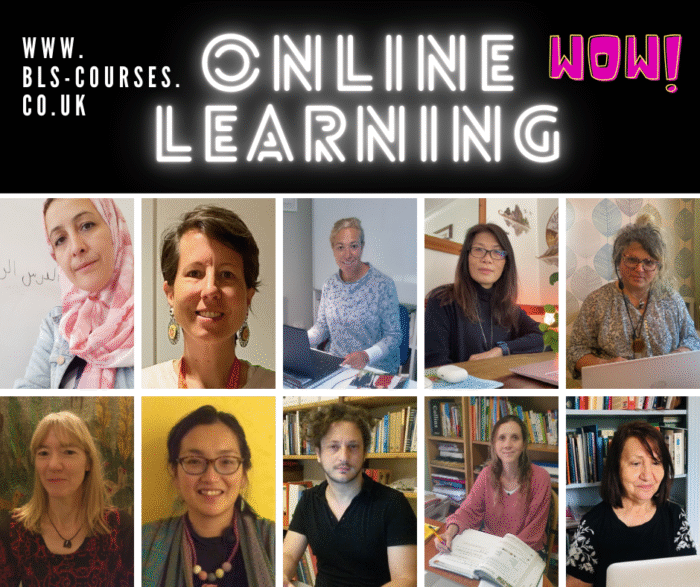
For the immediate future, we know we’ll run our language courses online. Our winter term is coming soon 🙂 We’re so happy that we’ve created this space where you can learn and improve your language skills from the comfort of your home. Many of you say that your language course is something to look forward to every week. It is so nice to learn that we bring this positivity into your live. We’ll continue offering individual tuition, too. We also plan to blog more over here 🙂

What to wish you in 2021? To make the most out of it. Regardless of the situation, let’s create another great year! Let’s read more, travel more and learn more (languages at BLS)!!!

Happy New Year 2021!

I hope to see you soon.

Love,

Kinga

PS. Our winter language term starts on 18th January: Enrol now!

August 26, 2020

Learn a language: Motivation, self-discipline or habit: which factor do you need to succeed in language learning?

“Motivation is what gets you started,

Habit is what keeps you going.” Jim Rohn

When I was learning languages at university, I often came across articles about motivation and language learning; how to keep learners motivated, how to be motivated to keep learning a foreign language, etc. Then in adult life, when I started running a business, the self-discipline became an important factor, worth improving and knowing more about (in relation to language learning and beyond). A few years ago, when preparing an essay on adult language learning, I read a bestselling publication – Brendon Burchard’s High Performance Habitswhich inspired me to explore the idea more and to implement some new habits into my daily life. So which factor plays the most important role when learning languages? Is it motivation, self-discipline or habit?

I think it all starts with motivation, we’re motivated to start doing something new, because we have a goal, a dream, a new job, a new girlfriend, a new holiday destination, an ambition. We need this initial kick to start looking for learning options and immersing ourselves in the new language. However, I don’t think we need continued motivation to succeed, what we need next is self-discipline.

If we have a specific goal in mind, we need to carefully craft a realistic plan which enables us to succeed and achieve the desired goal. How can we be persistent with executing the plan? Then comes self-discipline. It’s an important factor to be organised and successful with your language learning. One important point when talking about self-discipline is not to forget that having a plan doesn’t mean that you need to follow it regardless of the circumstances or outcomes. Let’s imagine that you plan to study one hour every day, but after 15 minutes you’re bored and unfocused. You’re disciplined to have an hourly language session every day, but somehow it doesn’t bring the results. What can you do? You can divide the learning time into smaller modules and learn e.g. 15 minutes in the morning (audio when driving to work), 30 minutes lunch time (listening and speaking) and again 15 minutes in the evening (reading). Now, you need a habit, to make this new plan work long-term.

What are your current habits? Drinking water, eating healthy snacks, brushing teeth, washing hands, exercising, meditating, reading before bed time? Why did you introduce those habits? To make your life better, to have more time, to feel better, to be healthier. It’s precisely the same with having a habit of learning a language daily. You do it every day without questioning it, without being specifically motivated, without any special circumstances and you’re persistent with your routine regardless of the favourable circumstances. You learn languages every day, because you made it your daily habit.

I think it would be interesting to see more research on self-discipline and habit in relation to language learning and, more broadly, to education in general.

What do you think? Which of those factors: motivation, self-discipline or habit, play the most important role when succeeding in language learning? Let me know in the comments below.

Bibliography

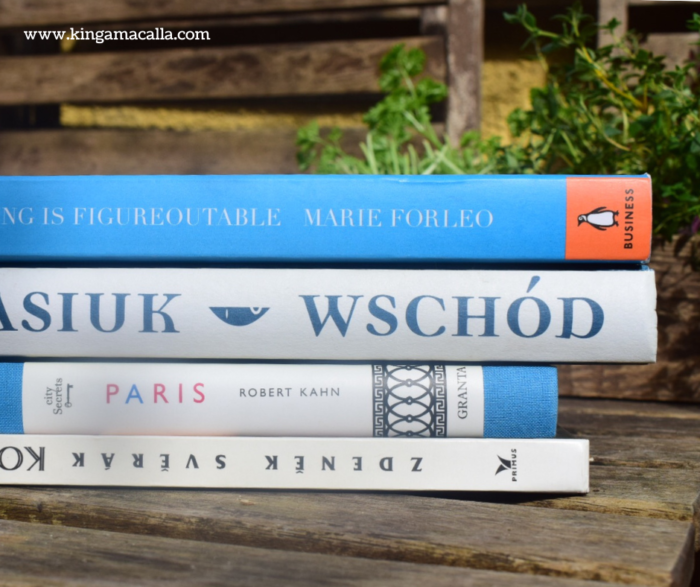
Books: The Power of Self-Discipline by Brian Tracy, High Performance Habits by Brendon Burchard and Motivational Strategies in the Language Classroom by Zoltán Dörnyei and video: https://www.youtube.com/watch?v=nD65cL7gn0Y

Kinga Macalla

April 22, 2020

Book review: How languages changed my life

‘The decision to learn a foreign language is (…) an act of friendship’ John le Carré

It’s a fascinating read which should be compulsory for those studying/learning/living with foreign languages. The book “How languages changed my life” (Project MEITS) contains 26 stories written by people whose lives were transformed by languages. It made me think how languages changed my life.

Below you’ll find my favourite quotations from the book:

“I miss that working at Westminster. In fact being back here is like swimming against the internationalism of my life hitherto. I miss the opportunity, the pleasure, the luxury of being able to bump into a colleague in the corridor and just drop into another language.” (Stephen Kinnock, p. 6)

“When I speak Russian, I’m a slightly different person from when I talk in English. That’s a wonderful thing to find out about yourself, and other people recognize it in you too.” (Bridget Kendall, p.17)

“Linguistic diversity is the human cultural equivalent of biodiversity.” (John Fraser Williams, p.34)

“(…) [W]hatever you end up doing, being able to speak other languages means you’ll do it quicker and better. (Paul Hughes, p.50)

“I like to think that one day I might enjoy the luxury of sitting under a tree and studying Chinese without having to instrumentalize it. It’s such a poetic language, incredibly distilled: a whole episode in history, can be evoked in just one four-character four-syllable phrase, like an explosion in your brain.” (Carrie Gracie, p.74)

“To learn a different language is to encounter a different logic, a different cadence, a different sequence of words. It prepares you to think differently and to adapt (…).” (Martina Navratilova, p.173)

And finally, if you still think that after graduating from a university with a degree in languages your career path is either being a teacher or a translator, this book will certainly change your view as, in fact, when knowing languages the possibilities are truly endless. Enjoy reading!

Kinga Macalla

March 4, 2020

Learn a language: My new language challenge!

As I mentioned last week, I plan to challenge myself and to start learning a new language (!). I’ll use the blog to update you on my improvements, what resources I use and how I plan my study.

Group or 1-1

As a working mama, my free time is limited: I run the school, spend time with my family and with friends, travel and have some me-time (very important!). You may remember our blog posts, where we discuss which method of teaching may suit you better: whether to choose individual tuition or group lessons. Due to my irregular availability, I decided to choose individual tuition. I had thought about online lessons, which are usually slightly cheaper and you don’t have to commute to your lesson, but my work commitments allow me to be in Clifton, Bristol, regularly, so I have my 1-1 lessons with our wonderful language tutor, Patricia (who BTW speaks Brazilian and European Portuguese!).

Brazilian or European Portuguese

That’s another question to answer, before you embark on learning Portuguese. Personally, I love the sound of Brazilian Portuguese which is so melodic, so I was very tempted to choose Brazilian, but practicality won; I travel much more often to Portugal, so I’d like to be able to converse and understand European Portuguese.

Learning methods

I have decided to have my individual lessons weekly or bi-weekly. Between my lessons, I’ll try to learn every day (even for as little as 5 minutes), either to say out loud the phrases from the previous lesson(s), re-write them (yes, the power of hand-writing!), read aloud or actively listen to a video in Portuguese. I’m still working on a weekly learning schedule, but once it’s ready, I’ll share it here.

Resources

To learn some basics, I use these graphic YouTube videos and some real-life Portuguese. But, I’m still looking for more online resources to learn Portuguese, so if you have any recommendations, do let me know in the comments below.

Kinga Macalla

February 26, 2020

Learn a language: Can I learn Polish, Czech, French, Russian & Portuguese on YouTube?

Today, I’d like to see if we can improve our language skills via YouTube channels.  I hope to inspire you to use some free resources that are available online. I’ll first focus on the languages that I’m familiar with (Polish, Czech, French and Russian) or plan to learn (Portuguese). Yes, I’m giving myself a new language challenge for the coming 8-12 months: to learn some basic Portuguese. I’ll write a new blog post on my progress soon! Today, I’ll focus on YouTube channels and will provide one or two online resources per language to inspire you to practise your language skills more:

Czech: Basic greetings & Americans speaking Czech

Polish: A smiling intro to Polish greetings and Japanese uni students learning & speaking Polish

French: To listen and learn more street French

Portuguese: Students tend to have a preference whether they wish to study European Portuguese (that one that’s spoken in Portugal) or Brazilian Portuguese (spoken in Brazil).

European Portuguese: Basic Portuguese from the Portuguese

Brazilian Portuguese: To start from scratch & for the joy of listening to the melodic Brazilian Portuguese

Russian: A short & fun intro to basic Russian

These are my findings. What YT channels / podcasts / online resources do you use to improve your language skills in Polish, Czech, French, Portuguese or Russian? Let me know in the comments below.

Kinga Macalla

December 4, 2019

Interview with Cate Hamilton, co-founder of Babel Babies

Cate Hamilton is a linguist, teacher, mum, entrepreneur and co-founder of the popular Babel Babies. Hello Cate, thank you for being our interview guest today. You’re a great advocate for learning languages. What’s your educational background? When was your passion for languages born?

I learned French and German at school, and went to Oxford University to study English and French. I remember being on a ferry to France with my parents as a young child and thinking that my brother and I had discovered a secret language when we heard French for the first time. I must have been about six! I have always loved words and collected dictionaries. My parents actively encouraged reading and exploring new languages, and their attitude was just to have a go. I enjoyed my school exchanges in France and Germany and really just like talking to people. It’s great to be able to make new friends and see the world from different perspectives. My pen-friends from 22 years ago are still good friends and it’s amazing to see our children playing together across their different languages.

Have you always professionally worked with languages? What are your current language-related projects?

I trained as a secondary French and English teacher, working in inner city Glasgow schools. I then moved to Cheltenham when we started our family and I co-founded Babel Babies with my friend Ruth Kemp. Since 2011 I’ve been working with local families and early years settings, encouraging them to sing languages together. We now have classes running in Bristol too, and have helped thousands of families discover languages from all around the world. We sing songs in French, German, Spanish, Italian, Portuguese, Arabic, Russian, Norwegian, Japanese, Korean, Welsh and English. It’s multilingual music, and I love introducing people to linguistics through music. It’s Languages with a Capital L. I’ve now got a podcast, The Language Revolution, where I talk about talking with guests ranging from neuroscientist Dr Thomas Bak to linguist Professor David Crystal. Language is the thread through all of human experience, and I’d love to help weave it back into the fabric of the school curriculum, especially in primary and early years. I also help coordinate the International Day of Multilingualism on 27th March, the date on the Rosetta Stone. If you’d like to get involved, check out the #multilingualisnormal hashtag on Twitter and join the conversation.

How did you discover your entrepreneurial talent? Have you always known you had it? How did you come up with the idea to start a business? What inspired/motivated you?

I’ve always admired entrepreneurs and free thinkers. I guess I’m a revolutionary at heart! I’ve worked on lots of start-ups from my teenage years onwards, from magazines to companies (I now run three of them). I had a stint organising networking events for entrepreneurs before I started teacher training. I remember thinking ‘I could do that’ and just needed an idea. The idea came when I had my first baby and realised that language is a process that starts even before birth. I’ve married up my love of the research and education side of linguistics with my entrepreneurial spirit to create novel solutions to the UK languages crisis. I’m on a mission to change UK attitudes to foreign languages, and all my projects are working towards that in some way.

You inspire families to introduce foreign languages to their children at a very young age. Why is it beneficial to be exposed to languages as babies/toddlers?

Someone once told me I was silly for doing languages before babies could speak, but the speaking part is really just the icing on the cake: the two years before that (including the last few months of pregnancy) are when babies are absorbing language rapidly and getting ready to say their first words. They have it all in their heads and have absorbed the grammar (just listen to a baby’s intonation – they know how to form sentences!) before they utter those magic first words.

Babies are natural linguists because they need to communicate with their caregivers and communities. It’s a survival mechanism really, and part of how we have evolved as a species. Far from birth being ‘too early’ to introduce languages, the UK actually starts language education far too late. Babies can recognise their mother tongue at birth, notice when a new language is introduced even when they are just hours old, and they can hear any sound in any language for most of their first year. They are processing new things at light speed, with billions of new synaptic connections per second. Whether they hear one, two, three or even more languages around them, babies are not confused. They simply process what they are exposed to, learn who will respond to which language, and soon enough they will work out how to get what they want from the people around them by communicating in the language that is most effective for their purpose. So if that means they need Italian to speak to papà, Japanese for mummy, and English at school to do so, they will learn them all. Multilingual is normal for most children around the world. It’s more unusual to speak only one language, and English monolingualism is the exception rather than the rule. Attitudes to languages are cemented in the early years – I think it’s vital to give children a positive first foray into foreign languages, whatever their backgrounds.

I know you’re a mum to three children, how do you balance your professional and family life?

Babel Babies is my second of four babies! My children have grown up with it, and they are the inspiration for it. It’s far more flexible to be my own boss than to work full time in school environment. I can pick up the children every day and go to all their school activities, and if that means I need to do some work in the evenings then I do. Being an entrepreneur means I’m passionate to the point of obsessive about my work – it’s not work really, since I love it and think about it all the time. The children are my testers of new songs and books, and new ideas. I discovered bullet journalling in 2017 and am so passionate about it that I run occasional workshops on how to get started. It’s a life-changing organisational technique and a bit like having a PA. Have a look at my Instagram @cateh_inc if you’d like to know more about it.

Do you raise your children multilingually? Do you encourage them to learn foreign languages?

The children are my inspiration for the whole idea of Babel Babies, and when my first son was born I immediately knew that I wanted to encourage him to love languages, and maybe skip the hard work of trying to learn to roll his Rs in French. However, as a new mum, I had lots to figure out and speaking French all the time felt strangely not like me. We settled on singing and reading lots of books in French, but also in Italian and Portuguese, and any other languages that take our fancy. I then had two more children, and over time we have turned them into keen linguists. My eldest son is fascinated with languages and how they are similar/different to each other, and loves code-breaking new alphabets like Arabic and Russian; my middle child is amazing at accents and loves connecting with people – she’s amazing; and my youngest has probably had the most exposure to French as I was far more confident speaking to him in French with five years of Babel Babies already under my belt when he was born. Now he’s four and says, ‘No Mummy, don’t say it in French, say it in Normal!’ so we have a period of resistance, but he still knows how to respond when I say something in French. They all love exploring new languages. I’m excited to see where they go with it as they grow! I used to think that not having raised bilingual kids was a failure, but actually I’m super proud of their positive attitudes towards languages and they are genuinely interested. They make up new languages in their games all the time.

How many foreign languages do you know? How do you maintain your language skills?

I know French, bien sûr, and then probably Italian is my next most fluent. I tend to translate from French into Italian rather than English to Italian when I’m speaking, so I sometimes wade into the middle of a sentence before I’ve really got a clue what the verb is going to be! It’s often quite amusing to see what my brain does. I did two years of night school in Portuguese with my husband and we travelled around Portugal for a month, so my Portuguese is okay. I also have German to a reasonable level, and my best friend’s mother is German so I’ve heard quite a lot of it. I read stories and sing songs in at least ten languages, and I just have languages on the brain all the time. I always study languages together, rather than monolingually, so I’m currently learning Spanish, Portuguese and Italian all at once. I sometimes use Duolingo, but mostly it’s reading aloud, and always singing. I get myself an ohrwurm and stick with it until I have mastered the words.

We’re a language school, do you remember your favourite language teacher? What was so special about their teaching?

Mr Harrison was my German teacher at secondary and he was legendary. He was so passionate and enthusiastic, and hilarious sometimes (oh those modal verbs lessons!) He made languages come to life. I am eternally grateful for his encouragement and would love to see what he thinks of Babel Babies and The Language Revolution. Danke schön, Herr Harrison!

Thank you, Cate, it was great to have you as our interview guest. We want to wish you success in all your professional and language adventures.

Photos courtesy of Cate Hamilton

April 3, 2019

Where can I practise my language-speaking skills in Bristol?

So you have been learning a new language for a while now and you are making a lot of progress, but you feel like something is missing.  You can practise reading and writing and listening… but where can you practise speaking?  This post looks at where you can practise speaking your chosen language with native speakers and other language enthusiasts in Bristol.  You may also find conversation opportunities online, such as Skype-type language exchanges, but this post focuses on what you can find on your doorstep and encourages you to get out there and meet people – because that remains the best way to practise your language skills!  It is arranged by language.
I have personally tried and tested the Dutch and French Meet Up groups and am hoping to start the Arabic group soon.  The Dutch group especially is very active.  The French group is looking for new organisers so you could put yourself forward if you are interested.   I found out about the others through the recommendations from other people and research.  If you have any others to add, please let us know!

Arabic

Bridges for Communities is a Bristol-based organisation that connects people from different cultures and faiths, enabling them to build friendships and grow in their understanding of one another.  They have a project called RefuLingua that links Arabic speakers with other Bristolians wanting to learn Arabic.  They run a conversation club in Easton on a Monday night.  Please get in touch with Bridges for Communities if you want to know more.

There isn’t currently an Arabic “Meetup” group in Bristol but if you would like to create one, a skeleton group already exists.

The Bristol Erasmus Student Network holds regular Language Tandem events at Zerodegrees bar in central Bristol.  Check their Facebook page for details of the next event.

Chinese

Bristol Mandarin Chinese Meetup group gives you an opportunity to meet Mandarin Chinese speakers and practise your speaking skills.

The Bristol Erasmus Student Network holds regular Language Tandem events at Zerodegrees bar in central Bristol.  Check their Facebook page for details of the next event.

Dutch

There is a Facebook group for Dutch speakers in Bristol: Dutch in Bristol/Nederlanders in Bristol.  You can access conversation opportunities through this group – you will find more information on the group’s page.

There is a Dutch language Meetup group in Bristol that meets on Tuesday nights in central Bristol.

The Bristol Erasmus Student Network holds regular Language Tandem events at Zerodegrees bar in central Bristol.  Check their Facebook page for details of the next event.

French

You can join the two Facebook pages for French speakers in Bristol: Français à Bristol and Alliance Française de Bristol to access conversation opportunities in French.

There is a very active French language Meetup Group which meets in various locations across Bristol, so French speakers from all over the city can practise their language skills.

The Bristol French Circle/Cercle français de Bristol offers an opportunity to meet and speak French every other Thursday from October to May.  The meetings start at 7.30pm at BAWA health and Leisure club in Filton.  The Circle also organises other activities such as trips to French restaurants or to the cinema to see French-language films.

There are a lot of French conversation groups in many different locations organised by U3A (University of the Third Age) – have a look on the website for a location near you.  Joining U3A comes with an annual membership fee of £20.

The Bristol Erasmus Student Network holds regular Language Tandem events at Zerodegrees bar in central Bristol.  Check their Facebook page for details of the next event.

German

Conversation tables are a very German tradition and Bristol has its very own “Stammtisch” too, every first Tuesday of the month at the Bavarian Beer House in central Bristol.

There is a Facebook group for German speakers in Bristol, “Deutsche in Bristol”, where you can access conversation opportunities.

The Bristol Anglo-German Society offers conversation groups too.

There is also a German conversation group that meets twice monthly on Monday afternoons from 2-3.30pm at the Harbourside, organised by U3A (University of the Third Age).  Joining U3A comes with an annual membership fee of £20.

The Bristol Erasmus Student Network holds regular Language Tandem events at Zerodegrees bar in central Bristol.  Check their Facebook page for details of the next event.

Italian

There is an Italian conversation group on Wednesday afternoons and another one in the evening in Fishponds organised by U3A (University of the Third Age). Joining U3A comes with an annual membership fee of £20.

There is a Meetup group for people wanting to practise Italian.

Internations offers an opportunity to meet native speakers of Italian and converse with them.

The Hunter Language Exchange group on Meetup offers Italian among its languages.

The Bristol Erasmus Student Network holds regular Language Tandem events at Zerodegrees bar in central Bristol.  Check their Facebook page for details of the next event.

Japanese

The Bristol Japanese Language Meetup Facebook group offers an opportunity to practise your Japanese language skills.

There is also a Japanese language group on Meetup.

The Bristol Erasmus Student Network holds regular Language Tandem events at Zerodegrees bar in central Bristol.  Check their Facebook page for details of the next event.

Polish

You could join the Facebook group “Polacy w Bristolu, Bath I okolicach” for Polish speakers in Bristol, Bath and surrounding areas, to give you an opportunity to meet Polish speakers and practise your language skills.

The Hunter Language Exchange group on Meetup offers Polish among its languages.

The Bristol Erasmus Student Network holds regular Language Tandem events at Zerodegrees bar in central Bristol.  Check their Facebook page for details of the next event.

Portuguese

To find Portuguese speakers to speak to, you could look at the Facebook groups “Brasileiros em Bristol”, “Let’s Speak Portuguese Bristol” and “Portugueses em Bristol UK”.

Internations also offers an opportunity to meet native speakers of Portuguese.

The Bristol Erasmus Student Network holds regular Language Tandem events at Zerodegrees bar in central Bristol.  Check their Facebook page for details of the next event.

Russian

UWE and Bristol University have Russian language-exchange Facebook Groups.

There isn’t currently a Russian language Meetup group in Bristol but if you would like to create one, a skeleton group already exists.

The Bristol Erasmus Student Network holds regular Language Tandem events at Zerodegrees bar in central Bristol.  Check their Facebook page for details of the next event.

Spanish

There are lots of Spanish-language Meetup groups in Bristol so you can take your pick.

North Bristol Community Project holds a conversation club in Bishopston on a Thursday from 7-9pm.  It comes with a cost of £10 per session or £80 for 10 sessions, which includes soft and hot drinks.

U3A (University of the Third Age) organises a Spanish conversation group on Wednesday mornings in North Bristol.  Joining U3A comes with an annual membership fee of £20.

There are many Bristol-based Spanish-language Facebook groups, such as “Argentinos en Bristol”, “Chilenos en Bristol”, “Ecuatorianos en Bristol”, “Españoles en Bristol”, “Bristoleños” and “Mexicanos en Bristol”, where you can access conversation opportunities.

The Bristol Erasmus Student Network holds regular Language Tandem events at Zerodegrees bar in central Bristol.  Check their Facebook page for details of the next event.

And finally…

Don’t forget to check Gumtree and My Language Exchange for individual language exchange opportunities as well.

Suzannah Young
March 13, 2019

Spring Has Sprung – The Origin of “Spring” in 12 Different Languages

Although we have had some uncharacteristically warm weather recently, the season on its way in March is actually spring, and the observant among you will have noticed the spring flowers starting to poke their heads above the ground.  To celebrate this new beginning, this blog post looks at the word for “spring” and the origins of these words in the languages you can study at Bristol Language School.  This means so you will be able to talk about the new season in your chosen language and impress your speaking partners with your knowledge of etymology, the origin of words.  As usual, the post is arranged by language in alphabetical order.

Arabic

The Arabic word for “spring” is “الرَّبيع” (al rbye), from the root “ر ب ع‎” (r-b-ʿ). “ربع”‎ means “quarter”.

Chinese

In Mandarin Chinese, “spring” is “春天”, (chūntiān).  It comes from the phono-semantic (mixture of sound and meaning) compound, “形聲”, (tʰjun), made up of “艸” (meaning “grass”), “屯” (the sound duːn, tun, for “sprout, begin to grow, geminate”) and “日” (meaning “sun”).

Czech

In Czech, “spring” is “jaro”, from the Proto-Slavic forms “jaro”, “jarъ”, “jarь”, “jara”, which in turn come from Proto-Indo-European “yōro-” or “yeh₁ro-”, meaning “year, spring”‎.  It is a cognate with the English word “year”, the German “Jahr” ‎(“year”‎), the Latin “hōra” (“hour, time, season”‎) (and many Romance languages have similar words for this), and the Ancient Greek “ὥρα” ‎(hṓra), meaning “year, season”‎.

Dutch

Dutch speakers call “spring” “de lente”, which comes from the Middle and Old Dutch words “lentin” or “lenten”, which in turn are from the Proto-Germanic “*langatīnaz”, a compound of “*langaz” (“long”) + “*tīnaz” (“day”).  It is a cognate with the English “Lent”.  Sometimes “voorjaar” is used too, which literally means “beginning of the year”.

German

In German, “spring” is “die Frühling”, from “früh” (“early”) +‎ “-ling” (“-ness”).  “Lenz” is also used, which is from from the Old High German “lenzo”, itself from Proto-Germanic “*langatīnaz” from “*langaz” (“long”) + “*tīnaz” (“day”) (see “de lente” in Dutch and “Lent” in English).

French

The French word for “spring” is “le printemps”, which is from the Old French “printans”, from “prime tans” ‎(“first time, first season”‎), in turn from the Latin “prīmum tempus”.

Italian

The Italian term for “spring”, “la primavera”, comes from the Vulgar Latin word “*prīmavēra”, which came from the Latin “prīmus” (“first”) + “vēr” (“spring”).   It is similar in Spanish, Portuguese, and other Romance languages.

Japanese

The Japanese character “春” has the same etymology as the Chinese character explained above.  It is pronounced “haru”.

Polish

The Polish word for “spring”, which is “wiosna”, derives from the Proto-Slavic word “*vesna”, meaning “spring” and coming from the name for the Slavic goddess of spring, birth and renewal.

Portuguese

The Portuguese word, “a primavera” is like the Italian, “la primavera”, which comes from the Vulgar Latin word “*prīmavēra”, made from the Latin “prīmus” (“first”) + “vēr” (“spring”).

Russian

The Russian word, “Весна” (vesna) comes from the Proto-Slavic goddess of spring, birth and renewal, “*vesna”.

Spanish

The Spanish word, “la primavera” is like the Italian, “la primavera” and the Portuguese “a primavera”, which all come from the Vulgar Latin word “*prīmavēra”, made from the Latin “prīmus” (“first”) + “vēr” (“spring”).

Suzannah Young